05144647-Cylinder-Body
Product ID: 05144647 – Cylinder Body / High-Pressure Cylinder (Intensifier Pump Component)
Description:
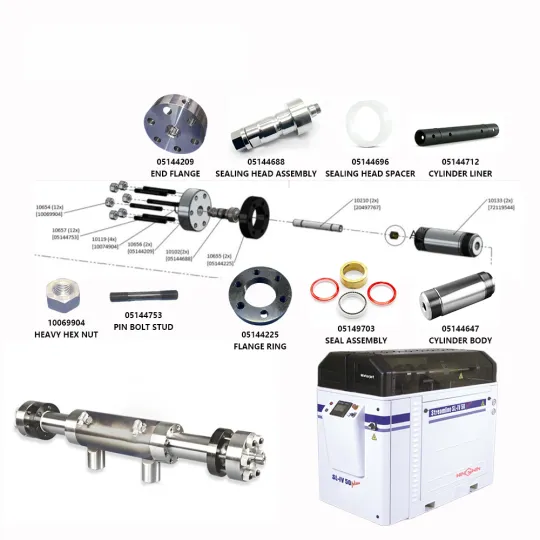
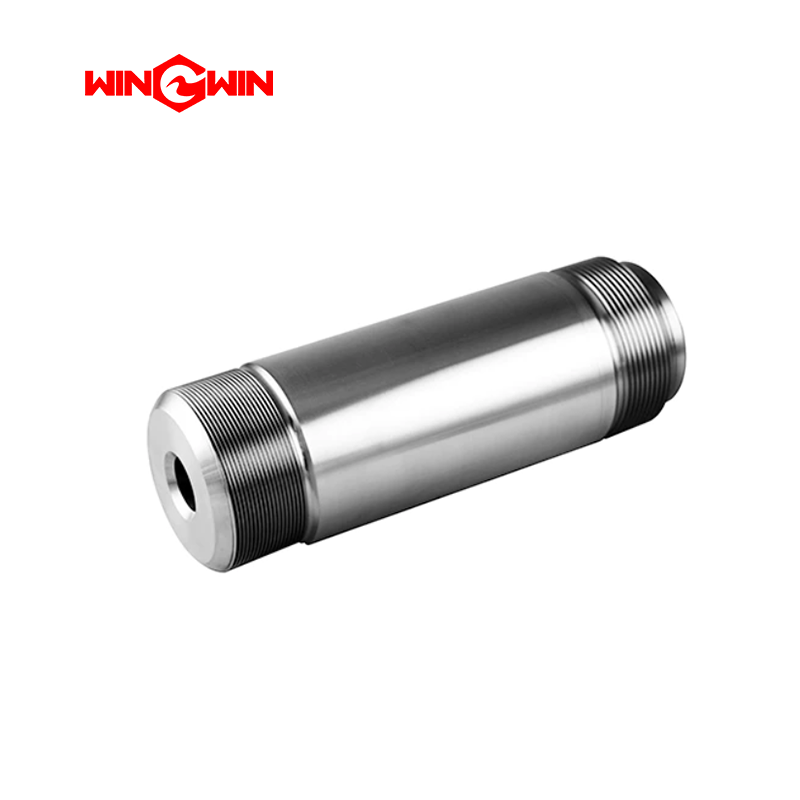
This component is a high-pressure cylinder body, a core structural component of waterjet intensifier pumps . It is a precision-machined cylindrical pressure vessel that houses the reciprocating plunger and high-pressure seals, providing the chamber where water is compressed to ultra-high pressures for precision cutting .
This part is manufactured from high-strength steel or alloy, designed to withstand extreme operational pressures and continuous pressure cycling . The cylinder body interfaces with the hydraulic cylinder head at one end and the check valve assembly at the other, with precision-machined threads and sealing surfaces ensuring a leak-free fit .
Alternative or cross-reference part numbers include 20479503 and 72119544 .
Applications:
Used as the primary high-pressure containment vessel within waterjet intensifier pumps .
Installed at the high-pressure end of the intensifier assembly, between the hydraulic cylinder head and the check valve body .
Suitable for ultra-high pressure waterjet systems operating at 60,000–90,000 PSI (approximately 4,137–6,200 bar) .
Compatible with KMT, FLOW, OMAX, WSI, and other waterjet intensifier systems .
Features:
Constructed from high-strength alloy steel or stainless steel for maximum durability and fatigue resistance under high-cycle pressure loading .
CNC-machined to exact tolerances, ensuring precise alignment and smooth movement of the plunger and seals .
Precision-machined internal bore surface for proper sealing contact with high-pressure seal assemblies .
Engineered with threaded connections for secure attachment to the hydraulic cylinder head and check valve assemblies .
Designed to withstand continuous pressure cycling from zero to maximum operating pressure without deformation or fatigue failure .
Weight is a consideration; proper support during removal and installation is required to prevent damage to internal components .
Maintenance:
Inspection Frequency: Inspect the cylinder bore each time the high-pressure seal assembly is replaced . The manual recommends flipping high-pressure cylinders every 1,500 hours and replacing them every 3,000 hours .
Bore Inspection: Clean the sealing area on the inside diameter of the cylinder and inspect the bore for rings, scratches, pits, residue buildup, or other potential leak paths . Running a fingernail across buildup will help identify surface flaws. Note that grooves or ridges are typically seal debris buildup rather than marks on the cylinder wall .
Bore Polishing: If minor surface imperfections are present, polish the inside diameter of the cylinder (where the seal will locate) with 600-grit wet/dry sandpaper. Hold the sandpaper on the end of your finger and move in a circumferential wiping motion only. Do not polish or drag sandpaper along the length of the cylinder, as this can damage the bore surface .
Thread Inspection: Inspect the cylinder threads for signs of wear, galling, or damage. If galling occurs during threading, remove the cylinder, inspect mating surfaces and threads, repair surfaces, thoroughly clean, lubricate, and reinstall .
Lubrication: Apply anti-seize compound to threads and shoulder guides before installation to prevent galling and facilitate future removal .
Alignment Mark: After installation, place a corresponding alignment mark on the high-pressure cylinder to ensure proper tightening and full seating. Periodically inspect the cylinder for correct positioning .
Tightening: Tighten the high-pressure cylinder hand tight using the appropriate cylinder wrench, then tap the wrench with the palm of your hand to achieve final tightening .
Use Proper Tools: During seal removal, use the specified seal removal tool to avoid scratching the cylinder bore. Failure to follow proper seal removal and installation procedures can result in dramatically reduced cylinder life and may void the warranty .
Handling: The high-pressure cylinder is heavy. Support its weight during removal and installation to prevent damage to the plunger or injury to personnel .
Full Depressurization: Always fully depressurize the waterjet system, place the main electrical disconnect in the OFF position, bleed down all high-pressure lines, and follow lockout/tagout procedures before removing or servicing the cylinder body .
Replacement Criteria: Replace the cylinder if the bore shows deep scratches, pitting, or wear beyond manufacturer-specified limits; if cracks are detected; if threads are damaged; or after reaching the recommended 3,000-hour replacement interval .