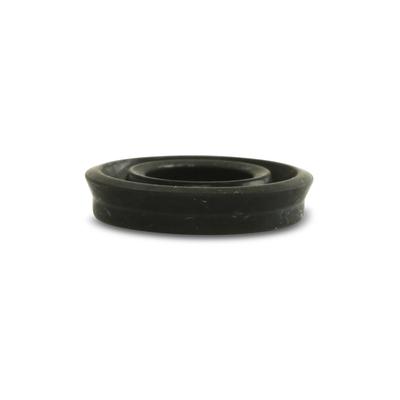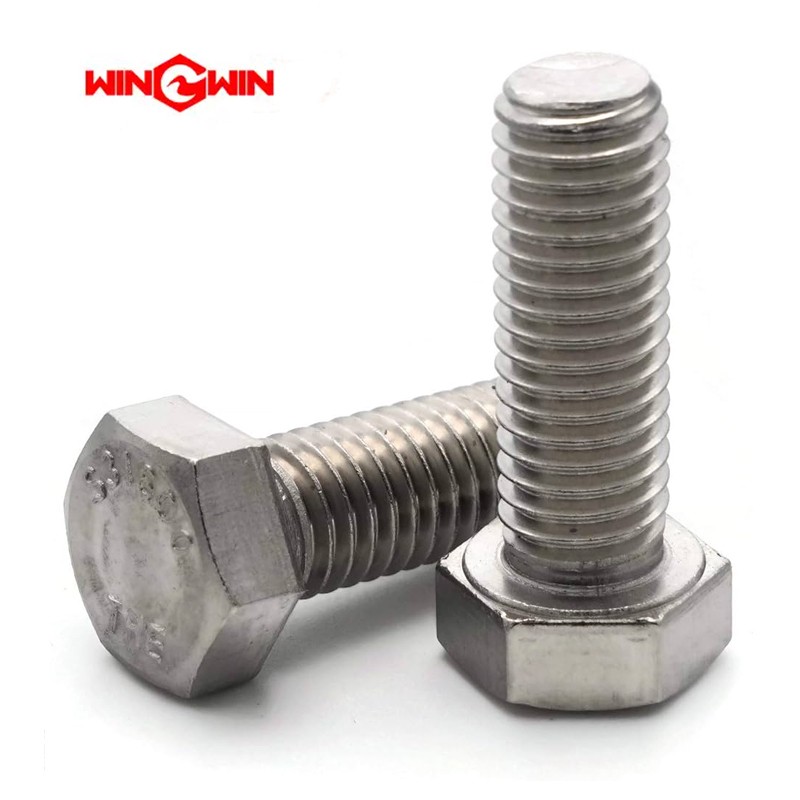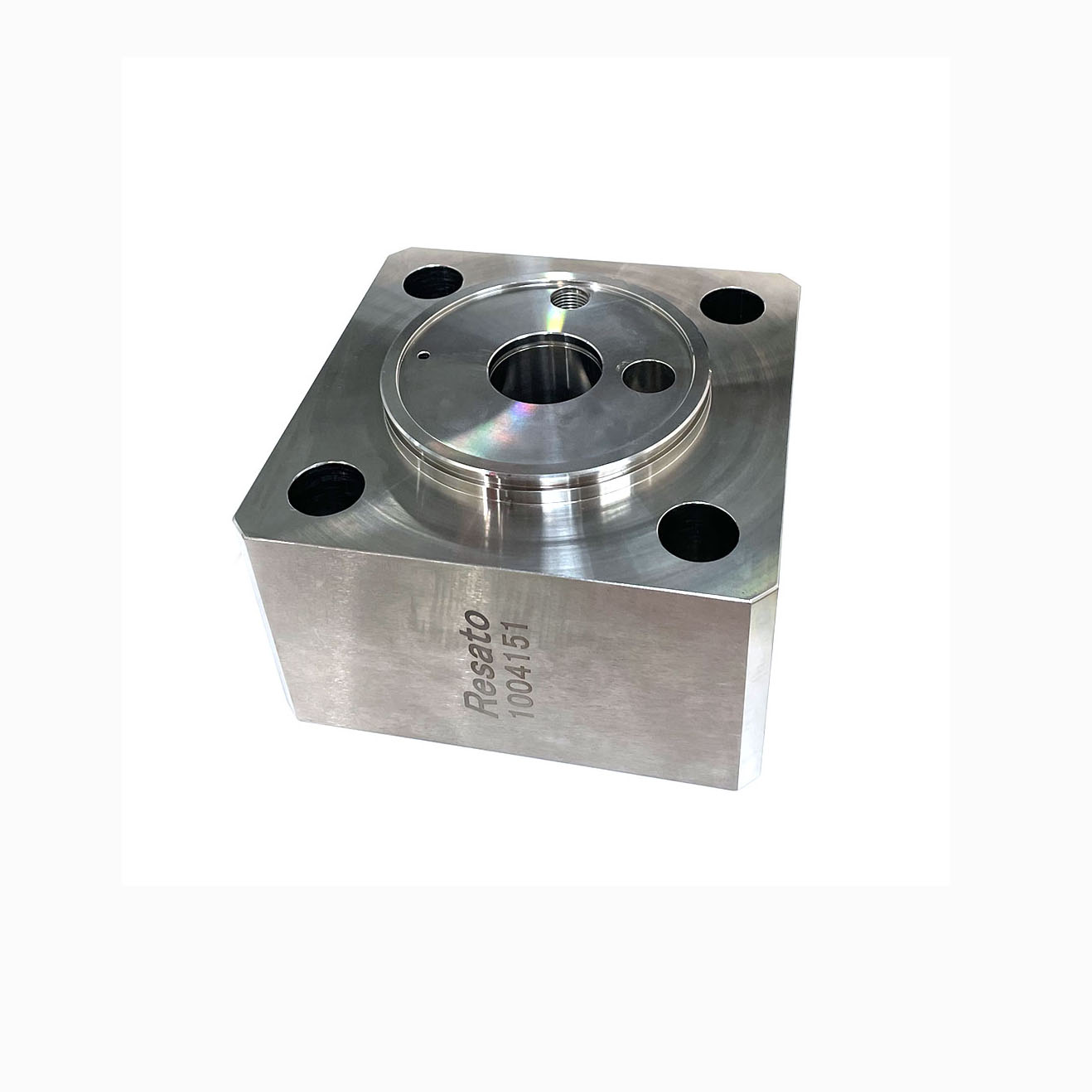
72110961 Sealing Head Body
Product ID: 72110961 – Sealing Head Body
Description:
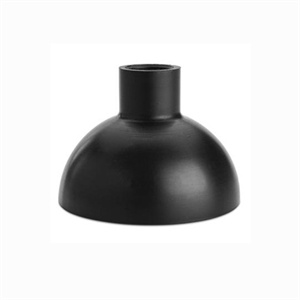
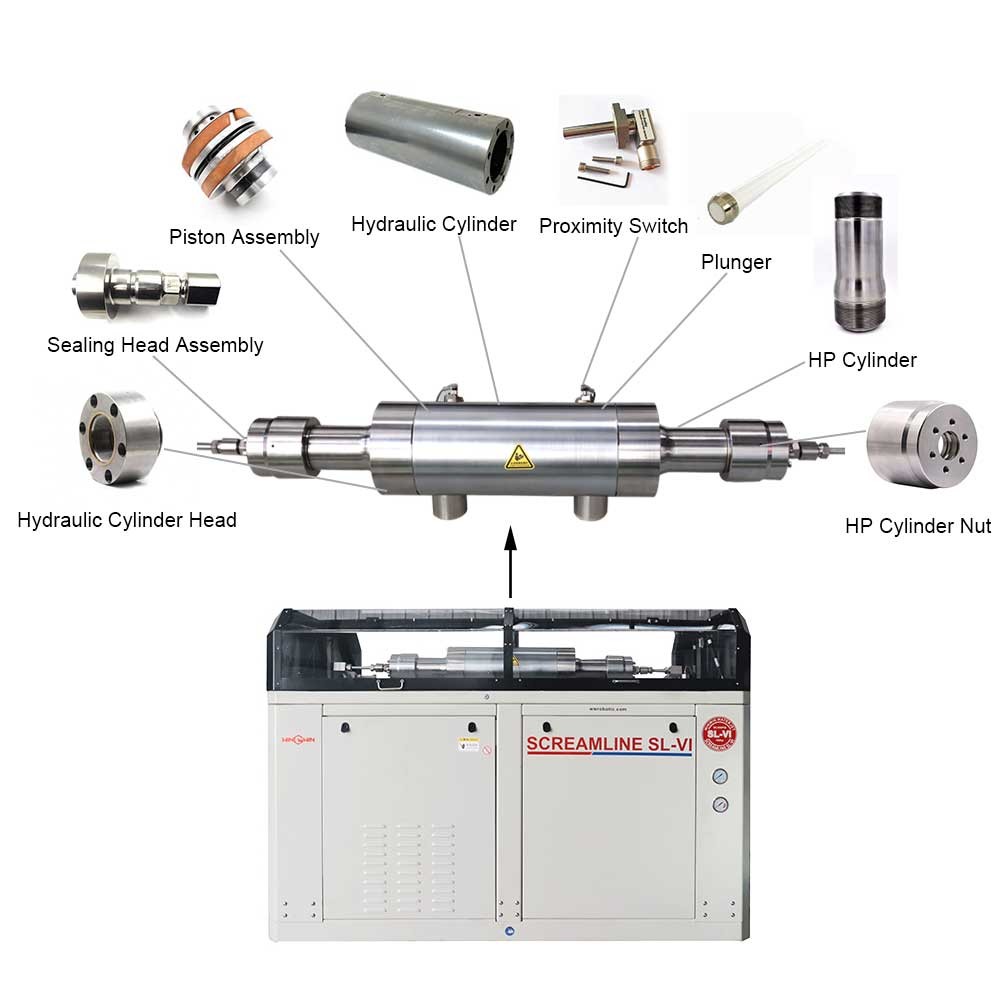
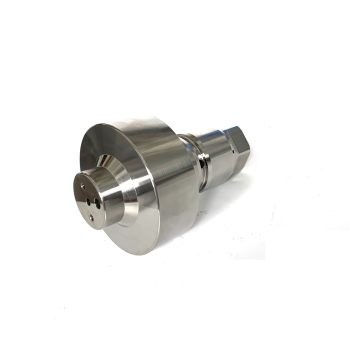
This component is a sealing head body designed for waterjet cutting systems. It is a precision-machined housing or gland that contains and supports high-pressure sealing elements, typically used around a reciprocating plunger, piston rod, or rotating shaft to prevent fluid leakage under ultra-high pressure.
Applications:
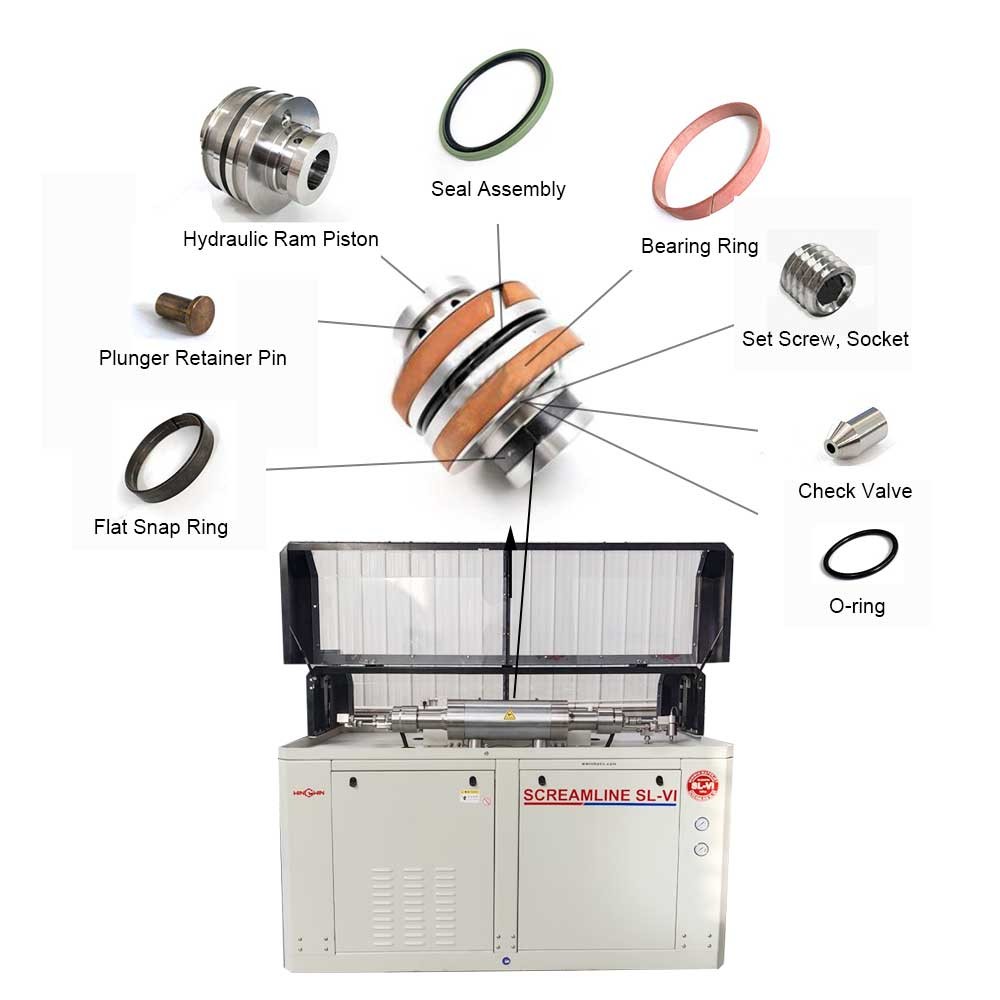
Used in waterjet cutting machines as part of the high-pressure sealing assembly on intensifier pumps or direct-drive pump heads.
Installed around the high-pressure plunger or piston rod to contain water pressure within the cylinder while allowing reciprocating motion.
Suitable for both pure water and abrasive waterjet systems requiring reliable dynamic sealing under extreme pressure.
Features:
Constructed from high-strength, corrosion-resistant material such as precipitation-hardened stainless steel or hardened alloy steel.
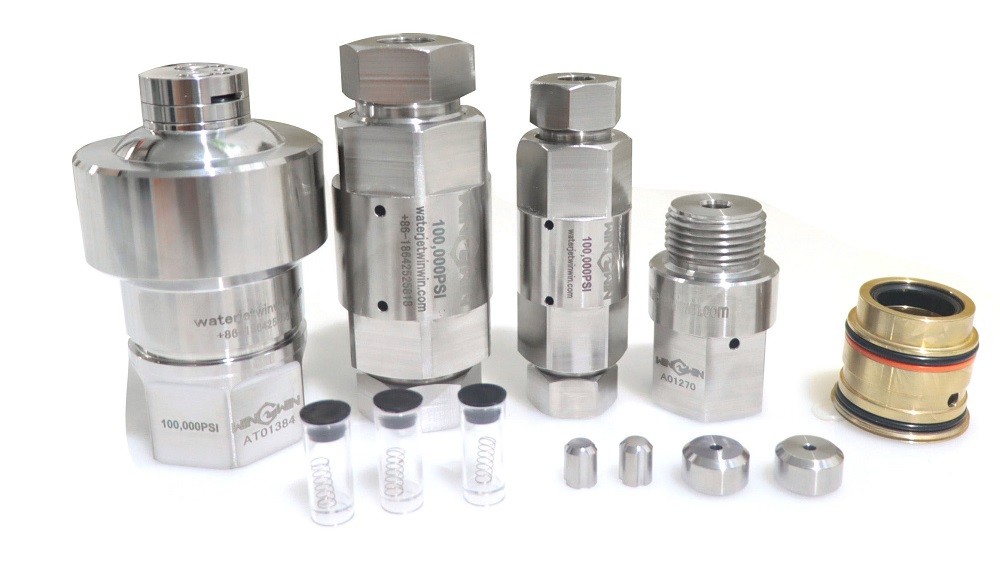
Precision-machined internal bore and seal grooves to accept O-rings, backup rings, V-packings, or rod seals.
Designed to withstand ultra-high pressure, typically rated at 60,000 psi (approximately 4,137 bar) or higher.
Includes threaded or flanged mounting features for secure attachment to the cylinder body or end cap.
Engineered to provide proper compression and alignment of sealing elements for leak-free dynamic operation.
Smooth surface finish on sealing contact areas minimizes wear on reciprocating seals and plungers.
May include coolant or flush ports for thermal management and seal lubrication.
Maintenance:
Fully depressurize the waterjet system and disconnect power before servicing the sealing head body.
Remove the sealing head body from the cylinder or pump assembly according to the equipment service manual.
Carefully extract all old seals, O-rings, backup rings, and wear rings from the seal grooves.
Clean the sealing head body thoroughly using a soft cloth and low-pressure water or compatible solvent; avoid abrasive tools.
Inspect the internal bore for scoring, galling, pitting, corrosion, or wear caused by plunger or seal contact.
Inspect all seal grooves for burrs, nicks, deformation, or damage that could compromise new seal installation.
Check threaded areas or mounting flanges for thread damage, cracking, or corrosion.
Measure the internal bore diameter at multiple points to detect ovality or excessive wear.
Replace the sealing head body if bore damage exceeds manufacturer-specified limits, if cracks are detected, or if threads are damaged.
During reassembly, lubricate all new seals with manufacturer-recommended high-pressure grease.
Install seals in the correct sequence and orientation as shown in the service manual.
Insert the sealing head body carefully over the plunger or rod, aligning it squarely to avoid seal damage.
Tighten retaining nuts, bolts, or end caps to the torque values specified by the equipment manufacturer.
After reassembly, slowly pressurize the system and check for external leakage around the sealing head.
Monitor for excessive temperature rise, which may indicate seal friction or misalignment.