20457399-Cylinder
Product Name: High Pressure Cylinder (Part No. 20457399)
Description:
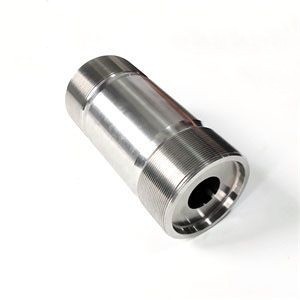
The High Pressure Cylinder (20457399) is a precision-engineered pressure vessel and a core structural component of the waterjet intensifier pump . It serves as the primary chamber where water is compressed from low pressure to ultra-high pressure (typically 60,000 PSI / 4,137 bar) for precision cutting .
This component is typically manufactured from high-strength stainless steel or heat-treated alloy steel, chosen for its exceptional durability and resistance to fatigue failure under millions of pressure cycles . The internal bore is precision-honed and polished to a mirror finish, designed to work in perfect conjunction with the reciprocating ceramic plunger and high-pressure dynamic seal assemblies . It is a non-wearing structural component under normal conditions but is subject to inspection and replacement if internal damage occurs.
Applications:
Located between the hydraulic cylinder (End Bell) and the sealing head (End Cap) in the intensifier stack .
Houses the reciprocating ceramic plunger (0.88" diameter) and the high-pressure dynamic seals .
Integral to the generation of the ultra-high pressure waterjet used for cutting hard materials such as metal, stone, and composites .
Compatible with major waterjet systems, including H2O Jet, KMT AccuStream, and BFT .
Features:
High-Strength Material: Constructed from hardened stainless steel or alloy to withstand extreme cyclic pressure loads up to 60,000+ PSI .
Precision Internal Bore: The inner diameter (ID) has a critical high-quality surface finish essential for maintaining seal integrity and preventing premature wear of the plunger and seals .
Threaded Connections: Features precision-machined threads at both ends for secure installation into the End Bell (hydraulic side) and End Cap (water outlet side) .
Interchangeable Part Numbers: This component is also known under OEM numbers 100001-1, 007038-3, TL-001002-3, and ACC 1-11117 .
Maintenance:
When to Inspect & Replace (Failure Diagnosis):
Water Leakage from Weep Holes: Water leaking from the high-pressure cylinder weep hole indicates a failed dynamic seal; however, the cylinder bore itself must be inspected for damage during seal replacement .
Visible Internal Damage: The most common reason to replace the cylinder is physical damage to the internal bore, such as deep longitudinal or circumferential scratches, pitting, or material build-up .
Hot Cylinder Surface: The High Pressure Cylinder may feel warmer than usual if the internal seals are leaking or the cylinder bore is damaged, causing excessive friction .
Loss of Cutting Performance: A drop in cutting pressure or inability to maintain pressure can sometimes be traced back to a scored or worn cylinder bore that is allowing water to bypass the plunger seals .
Scheduled Inspection: It is standard practice to inspect the cylinder bore every time the high-pressure seals are replaced .
Inspection & Replacement Procedures:
Full Depressurization (Critical): Before any maintenance, place the main electrical disconnect in the OFF position, bleed down all high-pressure lines, and follow lockout/tagout procedures .
Surface Check: Run a fingernail across the inside diameter of the cylinder. If you feel any rings, scratches, or pits, the cylinder is damaged and requires replacement .
Bore Polishing (Minor Issues): Minor surface imperfections or residue buildup can sometimes be cleaned or polished using 600-grit wet/dry sandpaper with a circumferential wiping motion only (never along the length of the cylinder) .
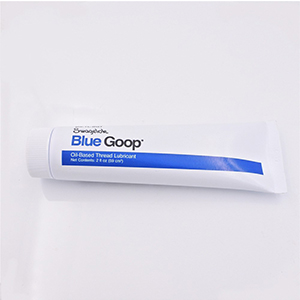
Thread Care: Inspect the cylinder threads for galling or damage. Apply anti-seize compound ("Goop") to the threads before reinstallation to prevent galling .
Torque Compliance: When reinstalling, tighten the High Pressure Cylinder hand-tight with the appropriate cylinder wrench, then tap the wrench with the palm of your hand to achieve final tightness .
Replacement Criteria: Replace the cylinder immediately if deep scoring, pitting, cracking, or thread damage is detected .