
News
-
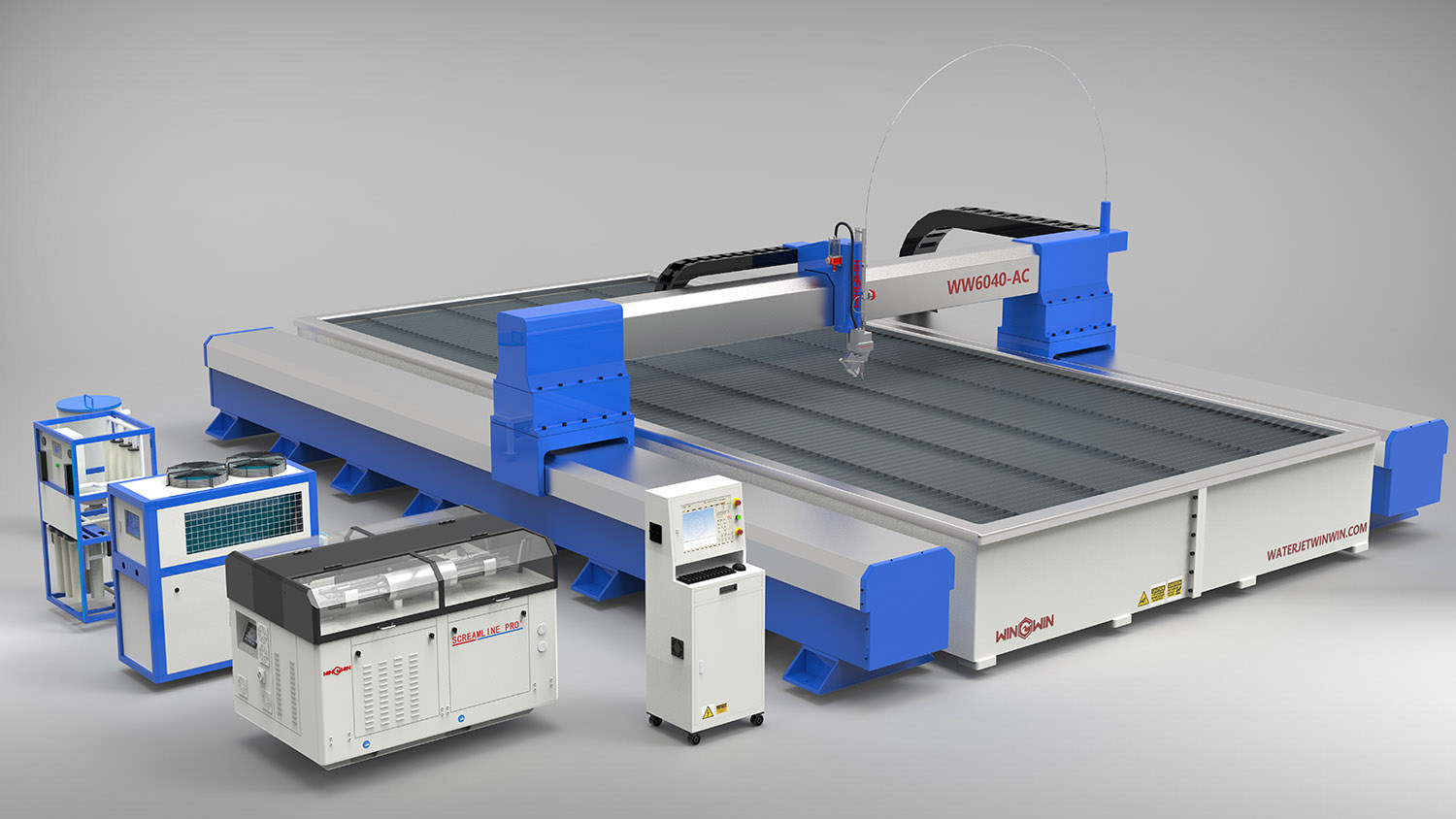
Can cut food products (like frozen meat or cakes) on a sanitary waterjet system?
Yes, food products such as frozen meat and cakes can be cut on a sanitary waterjet system, and this is an increasingly common application in industrial food processing. However, the system must be specifically designed for food contact, and there are critical differences between a standard industrial waterjet and a sanitary (food-grade) version.Read more -
How to cut rubber mats without the edges turning sticky or porous?
Cutting rubber mats without producing sticky or porous edges requires controlling heat and friction. Rubber melts and degrades when overheated, turning edges tacky (sticky) or creating a spongy, porous texture. The goal is to shear or cold-cut the material cleanly.Read more -
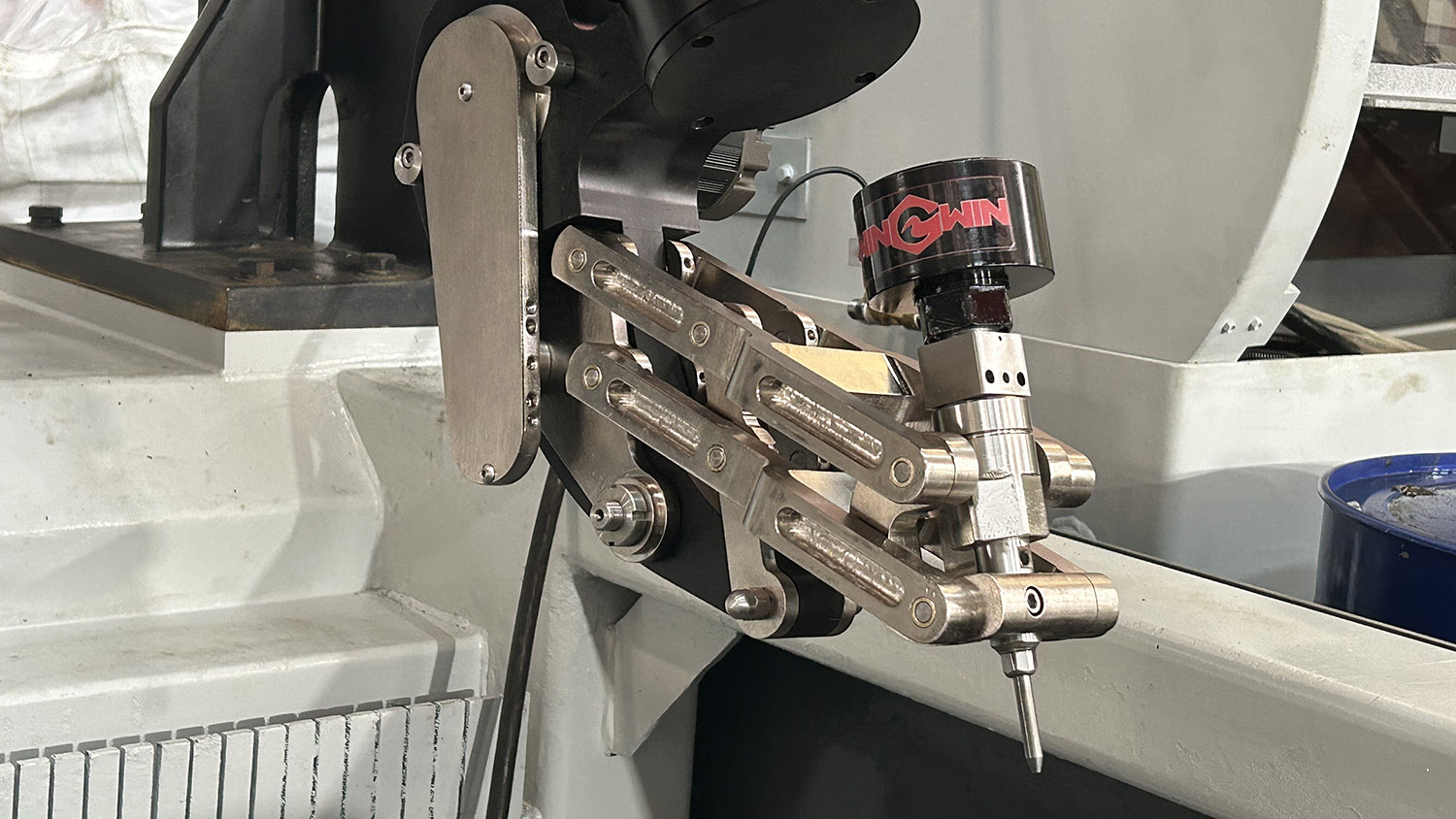
What is the ideal abrasive mesh size (50, 80, or 120) for fine-finish cutting of aluminum?
For fine-finish cutting of aluminum on an abrasive waterjet, the ideal mesh size is 80 mesh. While 50, 80, and 120 mesh are all usable, each produces a distinct trade-off between cut speed and surface quality. For a fine finish without excessive cost or cutting time, 80 mesh is the best balance.Read more -
How do I cut thin (0.005”) stainless steel shim stock without it curling?
To cut thin stainless steel shim stock (0.005” or about 0.13 mm) without curling, you need to minimize lateral stress and heat, both of which cause distortion. Here’s how to do it effectively.Read more -
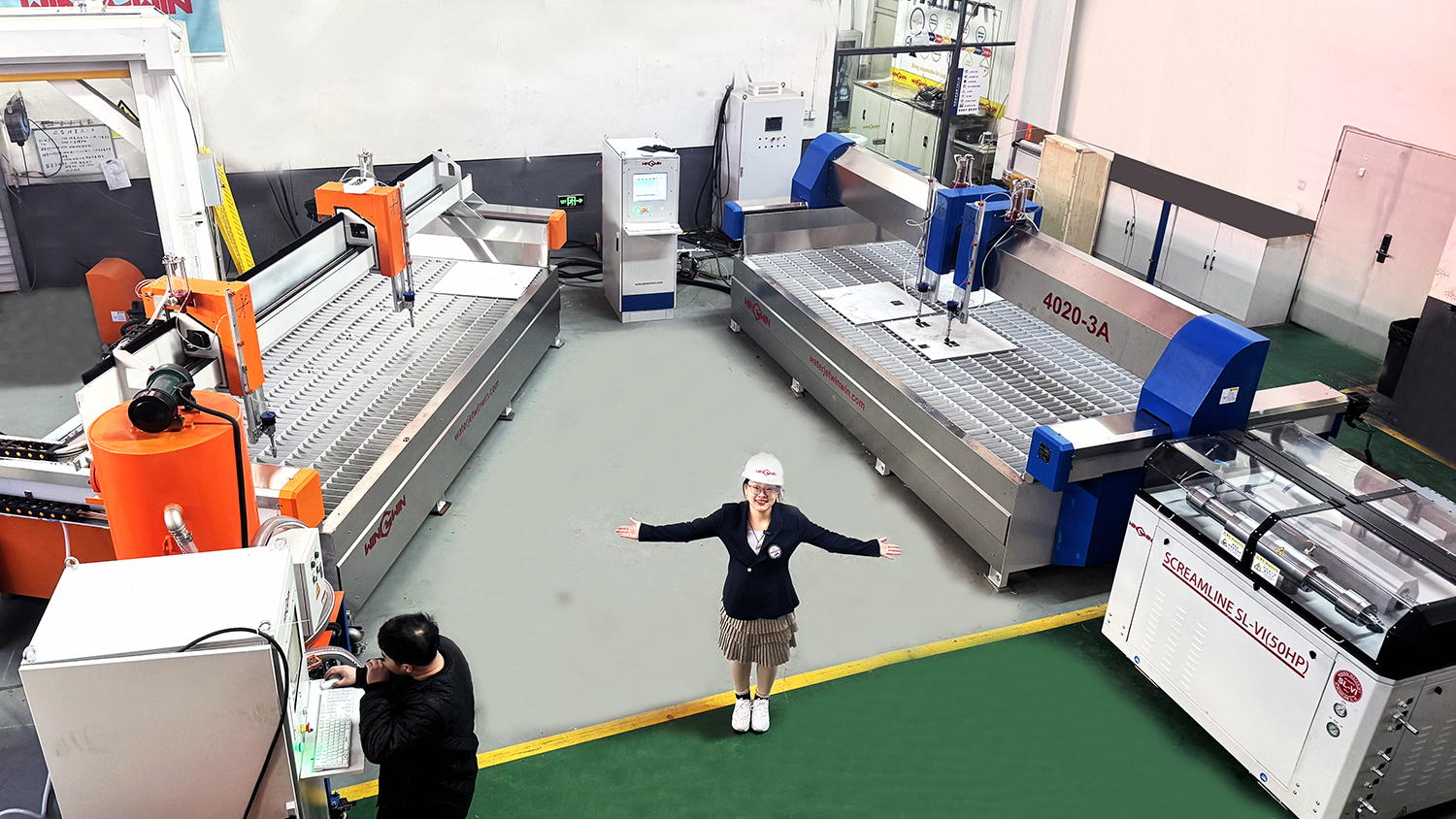
What is the best way to cut carbon fiber composites with a waterjet?
Cutting carbon fiber reinforced polymer composites with a waterjet is an excellent method because it produces a clean, delamination-free edge without heat damage. The best approach involves controlling abrasive use, cutting speed, and water pressure to prevent fiber pullout and fraying.Read more -
How to cut wood on a waterjet without causing warping or checking?
Cutting wood on a waterjet without causing warping, checking, or splitting requires careful control of water absorption, cutting strategy, and post-processing. Wood is hygroscopic and absorbs water readily, which leads to dimensional change, grain raising, and cracking as it dries.Read more
