
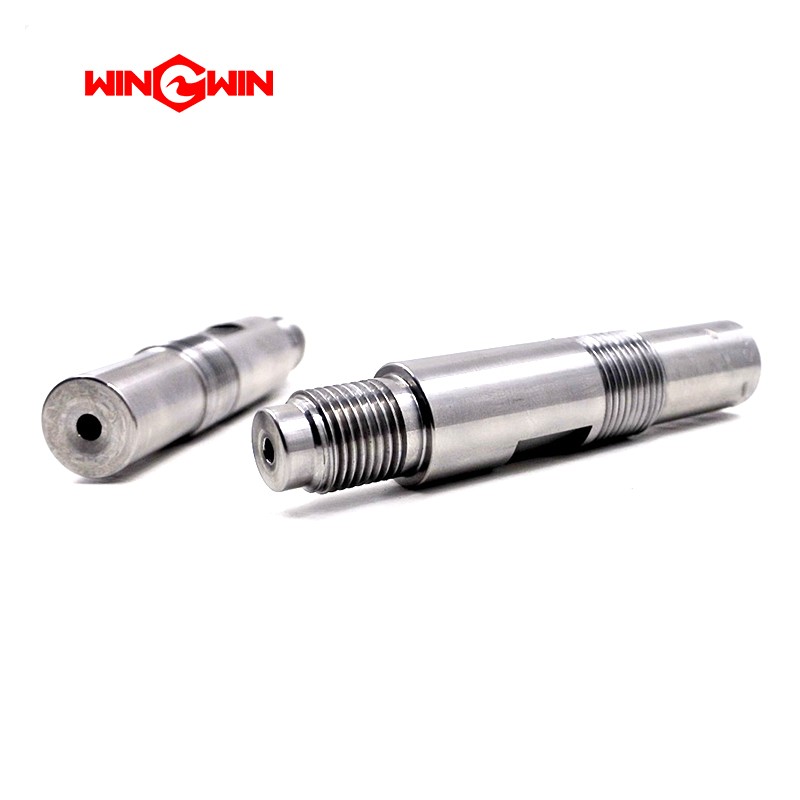
APW Aotufo 4-Axis Connecting Rod
Product ID: APW Aotufo 4-Axis Connecting Rod
Description:
This component is a 4-axis connecting rod, specifically designed for multi-axis abrasive waterjet cutting systems. It serves as a mechanical linkage and extension element between the cutting head assembly and the rotary axes (typically A-axis and C-axis) of a 4-axis or 5-axis waterjet cutting machine. The connecting rod transmits motion and positions the cutting head accurately in multi-dimensional space, enabling complex bevel cutting and profile machining. Constructed from high-strength stainless steel or alloy steel, it is engineered to withstand the dynamic loads and vibrations generated during high-pressure waterjet cutting operations.
Applications:
Used as a structural connecting element between the rotary axes (A/C-axis) and the cutting head assembly on 4-axis and 5-axis waterjet cutting systems
Provides precise positioning and motion transmission for bevel cutting, angle cutting, and complex 3D profile machining
Suitable for ultra-high pressure waterjet systems, typically operating at 40,000–60,000 PSI (approximately 2,800–4,137 bar)
Used in the APW Aotufo multi-axis waterjet cutting systems and compatible with other multi-axis configurations
Features:
High-Strength Construction: Manufactured from corrosion-resistant stainless steel or hardened alloy steel, providing excellent rigidity and durability under multi-axis motion stresses
Precision Machining: CNC-machined to exact tolerances for accurate alignment between rotary axes and cutting head
Motion Transmission: Designed to transfer precise motion from the A-axis (tilt axis) and C-axis (rotation axis) to the cutting head for complex cutting geometries
Corrosion-Resistant: Surface treated to resist water, abrasive dust, and environmental exposure in waterjet machining environments
Vibration Damping: Engineered to minimize vibration transfer during high-pressure cutting, maintaining cut quality and accuracy
Maintenance:
Regular Inspection: Periodically inspect the connecting rod for signs of wear, deformation, cracking, or corrosion. Pay particular attention to connection points and mating surfaces
Alignment Verification: During routine maintenance, verify that the connecting rod maintains proper alignment between the rotary axes and cutting head. Misalignment can cause inaccurate bevel cuts and increased wear on components
Connection Tightness: Before each operation, ensure all connectors and mounting hardware are securely tightened. Use thread sealant (blue glue) on threaded connections to prevent loosening and thread damage
Full Depressurization: Before performing any maintenance, fully depressurize the waterjet system (both hydraulic and high-pressure water circuits), shut off abrasive supply, and follow lockout/tagout procedures
Clean Area Maintenance: Perform disassembly and reassembly in a designated clean area to prevent contamination of precision mating surfaces with abrasive particles
Galling Prevention: Apply high-pressure thread lubricant or anti-seize compound to threaded connections during reassembly to prevent galling and ensure accurate torque application
Replacement Criteria: Replace the connecting rod if any visible deformation, cracking, thread damage, or corrosion is detected. Do not attempt to straighten or repair a damaged connecting rod
Coordinate Verification: After installation, verify A-axis and C-axis reference points to ensure proper positioning before starting cutting operations
Vibration Monitoring: If unusual vibration or movement is observed during multi-axis cutting, inspect the connecting rod and related components immediately
Schedule: Include the connecting rod in periodic comprehensive inspections as part of the machine's preventive maintenance schedule
Product recommendation
-
A-0275-248 O-ring
-
49888944 Standard Diamond Orifice 0.014" (0.356 mm)
-
M20-1-2-REV1 Coil Axis 1.2 Fanuc M20IA Waterjet High pressure Coils
-
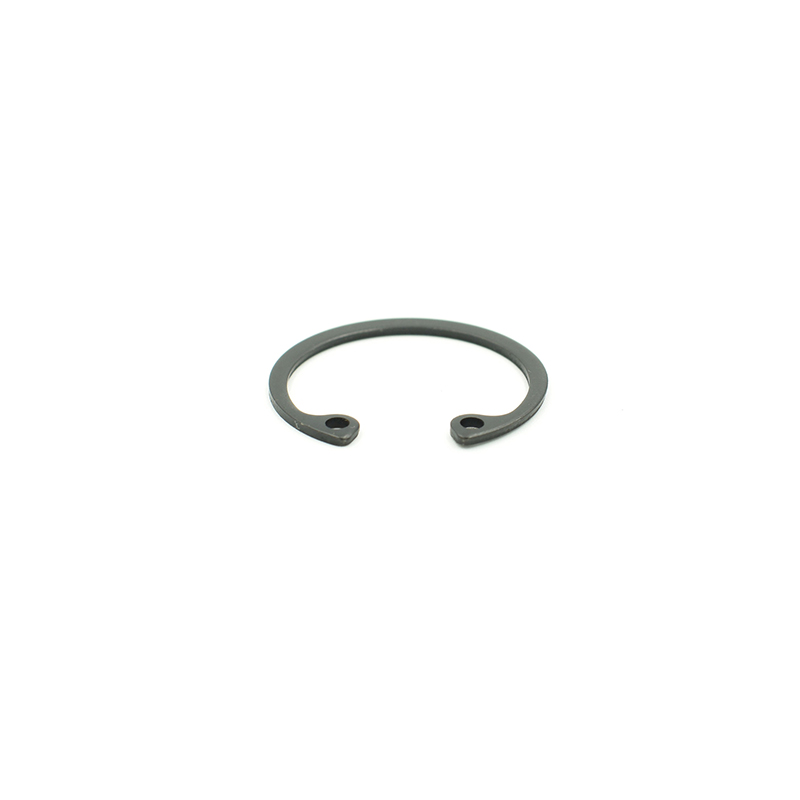
501-1-0010 Internal Circlip
-
20445476 AutolineTM II Nozzle Assembly, .043 Wear Insert O-Ring, .31 x .44 x .06
-
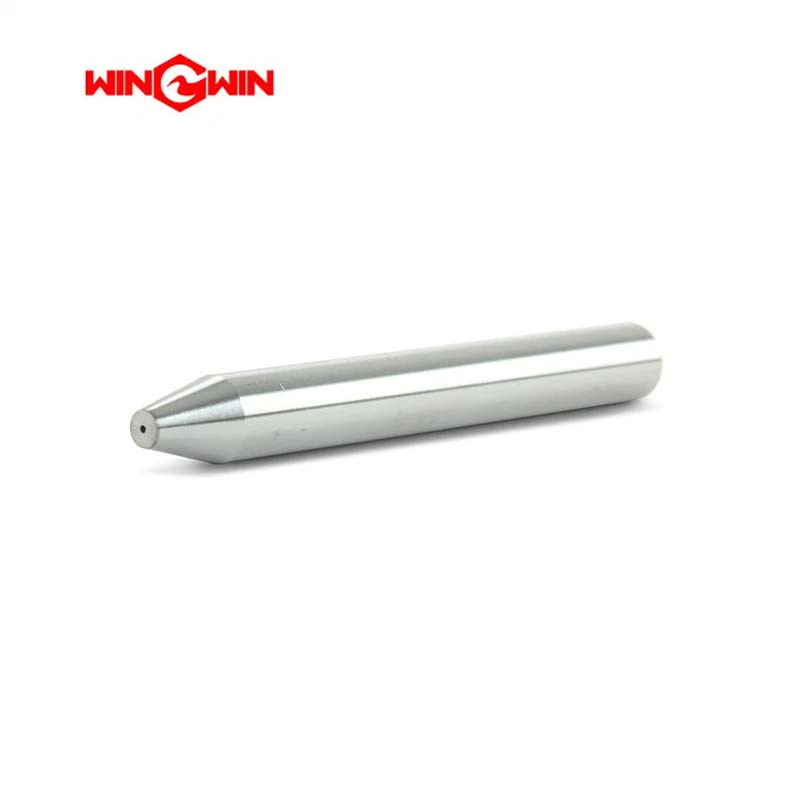
10126969 Focusing Tubes R-100 0.030"(0.762 mm) x 3.13"(79.4 mm)
-
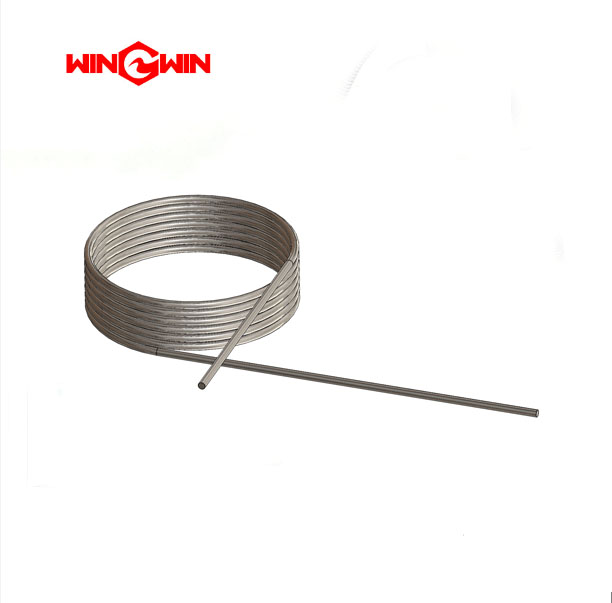
Waterjet parts Coil 104759 Axis 3 IRB1600 High pressure Tube
