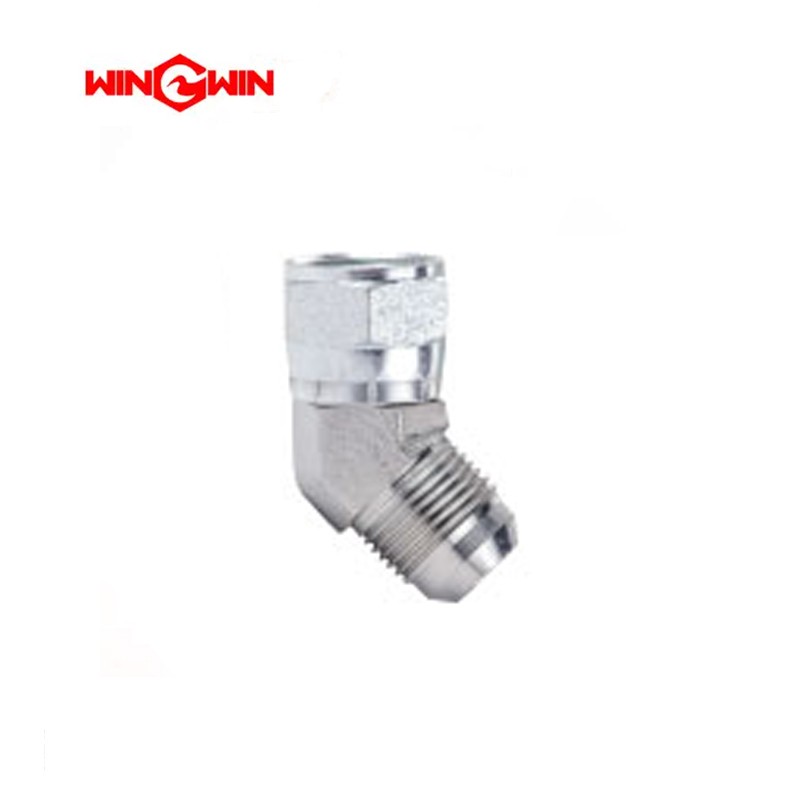
700005-1-Bulk-Feeder-Hose-H2O-Jet-Pump
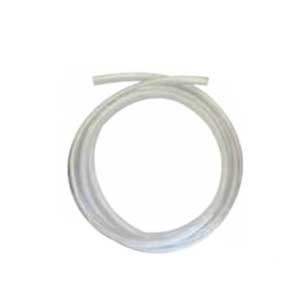
Product Name: Bulk Feeder Hose / Abrasive Conveying Hose (Part No. 700005-1)
Description:
This component is a bulk feeder hose, specifically designed for the abrasive delivery system of high-pressure waterjet cutting equipment . It is a flexible, reinforced hose that transports dry abrasive garnet from the bulk storage hopper to the abrasive metering system (mini hopper) or directly toward the cutting head mixing chamber.
The hose is manufactured from durable, abrasion-resistant materials such as polyurethane or reinforced rubber, chosen for their ability to withstand the erosive nature of high-velocity abrasive particles, yet remain flexible enough to accommodate the machine's motion axes . It relies on a combination of gravity and low-pressure air (pneumatic conveying) to move the abrasive, and features a smooth internal bore to prevent clogging and maintain a consistent flow rate .
Applications:
Conveying dry abrasive garnet from the main bulk hopper to the metering system or cutting head
Serving as a critical link in the abrasive delivery path for abrasive waterjet cutting systems
Suitable for high-production cutting operations requiring a continuous, reliable supply of abrasive
Compatible with H2O Jet, Hypertherm, WAZER, and other standard waterjet abrasive delivery systems
Features:
Abrasion-Resistant Construction: Manufactured from durable, wear-resistant materials to withstand constant scouring from high-velocity garnet particles .
Flexible Design: Allows for dynamic routing around the machine's gantry and Z-axis without kinking or restricting flow .
Smooth Internal Bore: Reduces friction, prevents abrasive accumulation, and ensures consistent material flow.
Standard Connection Sizes: Features standard fittings (often 3/4 inch or similar) for secure attachment to hopper outlets and metering valve inlets .
Critical Consumable: The hose is a wear component that degrades over time and requires periodic inspection and replacement .
Backflow Sensor Integration: Many systems utilize sensors attached to this hose to detect water backflow (a common and damaging occurrence) and pause the cut to prevent system contamination .
Maintenance:
Failure Diagnosis (Common Issues):
Abrasive Flow Interruption (Dry Cutting): This is the most common symptom, usually indicating a clog in the hose, a kink, or a complete blockage .
Visible External Wear or Cracking: Prolonged use can cause the hose to thin, develop holes, or crack, leading to air leaks, loss of suction, and abrasive leakage. .
Backflow Events: If the cutting head becomes blocked, high-pressure water can travel back up the abrasive hose. This will saturate the abrasive, causing a hard clog. Most modern systems have sensors to detect this and will pause the cut .
Loss of Suction: If the hose is not fully seated at its connections, an air leak will destroy the Venturi vacuum required to draw abrasive into the cutting head .
Troubleshooting, Inspection, and Replacement:
Safety First: Always wear safety goggles, gloves, and a dust mask when handling used abrasive. Fully depressurize the waterjet system and shut off the compressed air supply to the hopper before disconnecting any hoses.
Clearing Clogs: The primary method for clearing a clogged abrasive hose is to remove it from both ends (hopper and cutting head) and use a compressed air source to blow through it. It is critical to regulate the air pressure to less than 35 PSI (0.25 MPa) to prevent the hose from bursting .
Cleaning Procedure:
Disconnect the hose from the abrasive metering system and the cutting head.
Point the hose into a suitable container.
Apply a short blast of regulated compressed air (≤ 35 PSI) to the hopper end of the hose to push the clog out through the cutting head end .
Visible Damage: Replace the hose immediately if it has any cuts, gouges, bulges, or cracks that penetrate the outer cover.
Excessive Wear: If the hose feels stiff, brittle, or has obvious thin spots from internal abrasion.
Recurring Clogs: If the hose becomes clogged frequently despite using dry, clean abrasive, the internal bore may be rough or worn out.
Kinked: A kinked hose restricts flow and must be replaced.
Age: As a general practice, it is recommended to replace the bulk feeder hose as part of a scheduled maintenance cycle (e.g., every 1,000-2,000 hours) to prevent unexpected failure .
Installation Best Practices:
Ensure the replacement hose is cut squarely and has a clean, smooth internal bore.
Use push-lock or barbed style fittings for a secure connection .
Route the new hose to avoid sharp bends, contact with moving parts, or chafing against the machine frame. Secure it with cable ties, but do not overtighten as this can pinch and restrict flow .
After reinstalling the hose, run a quick abrasive flow check to ensure delivery is consistent and the system has strong suction .
Cross-Reference Information:
H2O Jet #: 700005-1
Compatible with numerous bulk abrasive delivery systems
Often purchased by length (e.g., 3/4" ID or 1" ID hose) rather than a pre-assembled kit, with this specific number being a pre-cut OEM replacement assembly.