400041-1-Filter-Element
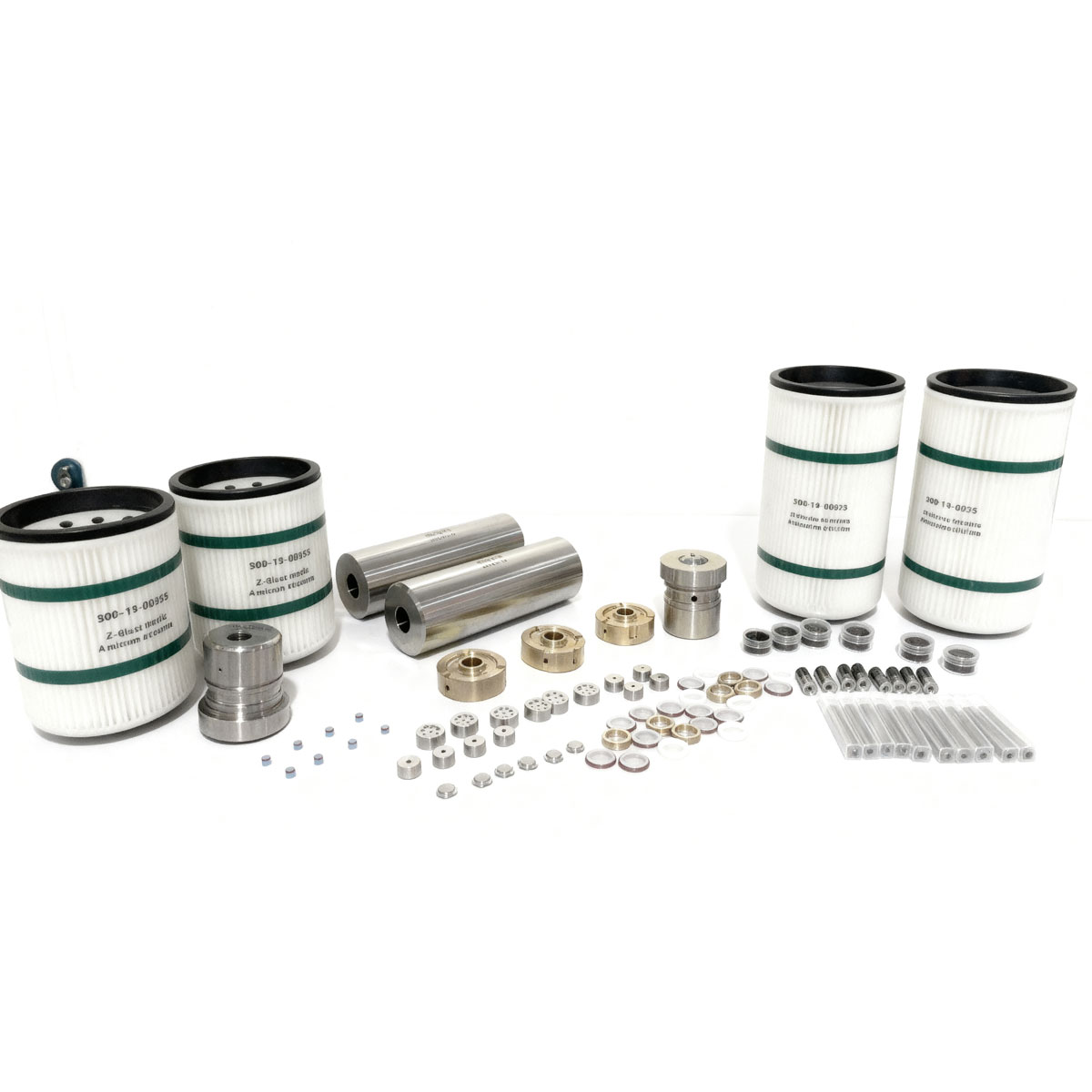
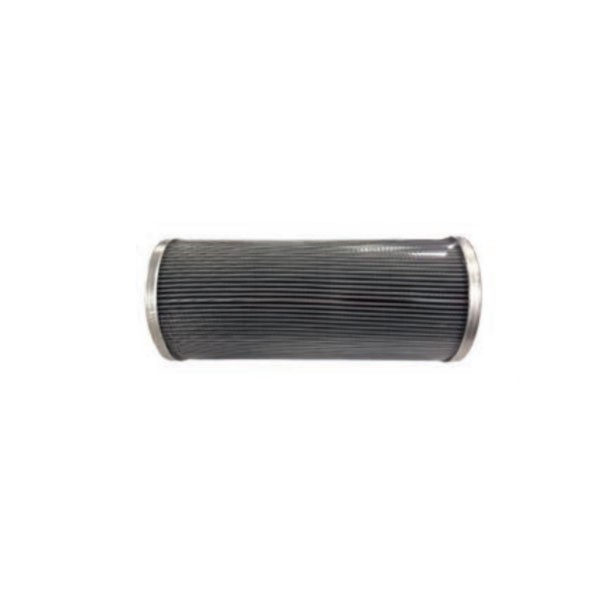
Product Name: Hydraulic Return Filter Element (Part No. 400041-1)
Description:
The Hydraulic Return Filter Element (400041-1) is a critical filtration component designed for the hydraulic reservoir of high-pressure waterjet cutting systems . It is installed on the low-pressure return line that carries hydraulic fluid back from the intensifier pump to the tank .
Its primary function is to remove particulate contaminants, metal wear debris, and sludge from the hydraulic oil before it re-enters the pump . This ensures that only clean oil circulates through the system, protecting sensitive components such as the hydraulic manifold, piston seals, and the intensifier assembly from abrasive wear and premature failure .
The element is typically housed within a spin-on or cartridge-style return line filter head located on or near the hydraulic power unit . It is a consumable component designed for periodic replacement. Maintaining a clean hydraulic filter is essential for system efficiency; a clogged element restricts oil flow, which can lead to reduced pump performance, overheating, and increased energy consumption .
Applications:
Filtration of hydraulic fluid in the low-pressure return line of waterjet intensifier pumps and power units .
Removal of solid contaminants, metal fines, and sludge from circulating hydraulic oil .
Protection of hydraulic valves, seals, pistons, and the main pump body from contamination-induced wear .
Suitable for use in 40k–60k PSI waterjet systems and compatible with major hydraulic reservoirs.
Features:
High Contaminant Capacity: Designed to capture fine metal particles and debris generated during normal pump operation .
Return Line Configuration: Engineered for the low-pressure side of the hydraulic circuit where oil returns to the tank .
Consumable Design: A single-use, replaceable element that is not intended to be cleaned and reused (replacement is the standard maintenance procedure) .
OEM Compatibility: Direct replacement for H2O Jet part number 400041-1.
Protective Function: Plays a critical role in extending the service life of expensive hydraulic components by maintaining oil cleanliness .
Maintenance:
When to Replace (Failure Diagnosis):
Clogging Indicator: Replace immediately when the filter's service indicator shows red or reaches the specified pressure differential (indicating a severe blockage) .
Scheduled Replacement: This is a preventative maintenance part. It should be replaced regularly based on operating hours, typically during scheduled 500–1,000 hour maintenance intervals or according to the pump manufacturer's guidelines .
Hydraulic Performance: If the intensifier cycles sluggishly, the pump runs excessively hot, or there is a significant loss of cutting pressure, a clogged return filter may be restricting flow .
Fluid Condition: If the hydraulic oil appears milky, dark, or contains visible particles, the filter should be inspected and likely replaced .
Replacement Guidelines:
Full Depressurization (Critical): Before servicing, completely shut down the high-pressure water system, stop the hydraulic pump, and follow lockout/tagout procedures to release all residual hydraulic pressure.
Prepare for Spills: Place a suitable container under the filter head to catch any residual oil that may drain when the filter is removed.
Clean Mounting Surface: Thoroughly wipe the filter head's sealing surface clean to prevent debris from entering the new element.
Lubricate Seal: Apply a thin film of clean hydraulic oil to the O-ring seal on the new filter element to ensure it seats properly and does not tear during installation.
Hand Tighten Only: Spin the new filter onto the head until the gasket contacts the sealing surface, then tighten an additional 1/2 to 3/4 turn by hand. Do not use a wrench to over-tighten, as this can damage the seal or filter head.
Check for Leaks: After installation, run the hydraulic system and inspect the filter head for any signs of external oil leakage.
Note on Cleanability: While some sources describe cleaning oil filter elements with kerosene, this practice is generally not recommended for critical hydraulic filters in modern waterjet systems . Replacement is the safer, recommended standard to guarantee filtration efficiency and prevent system contamination .
Proper Disposal: Dispose of the used filter and any drained hydraulic oil in accordance with local environmental regulations.