Waterjet-hp-tube-1
Waterjet HP Tube – High-Pressure Tubing for Waterjet Cutting Systems
Description:
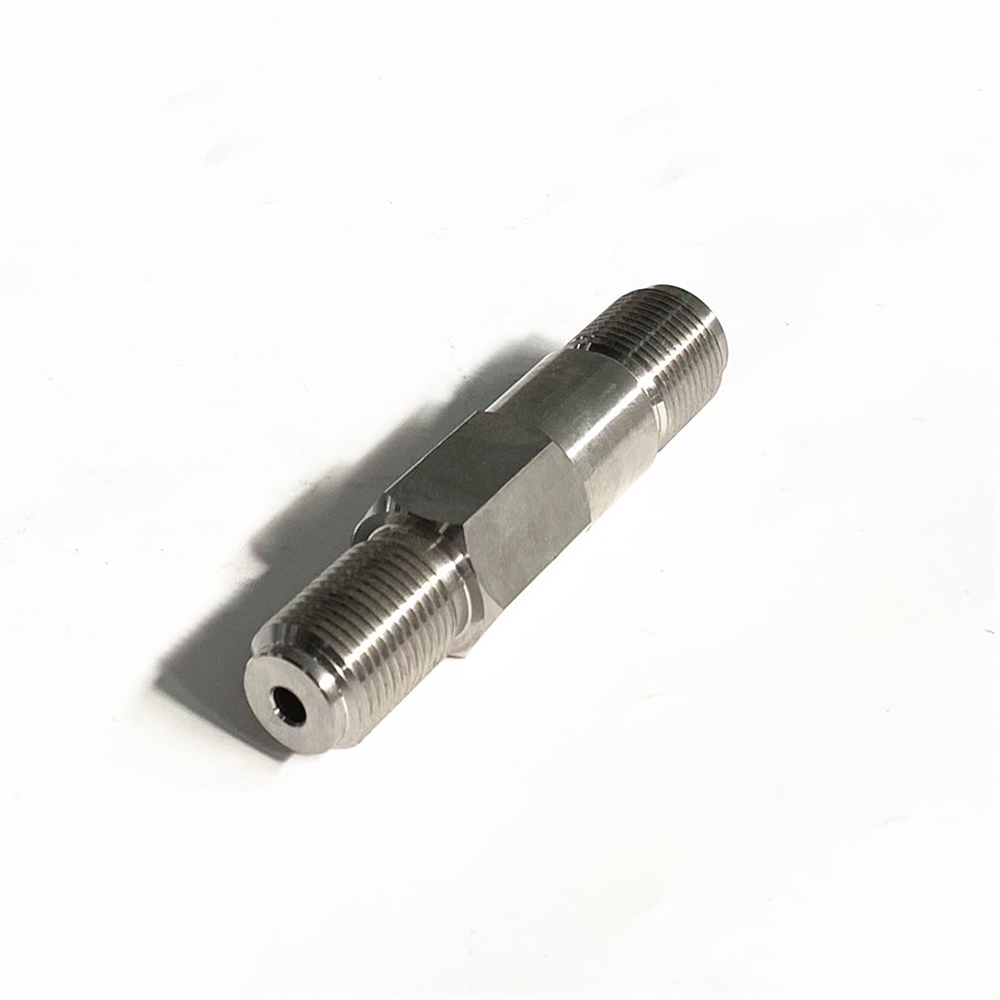
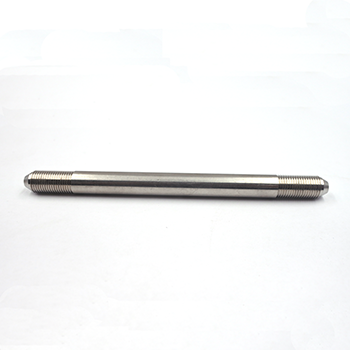
This component is high-pressure (HP) tubing, also known as high-pressure pipe or waterjet line, designed for waterjet cutting systems. It is a precision-engineered tubular component that transports ultra-high-pressure water from the intensifier pump or direct-drive pump to the cutting head assembly. HP tubing is typically manufactured from specialized stainless steel to withstand extreme internal pressures and resist corrosion .
Applications:
Used to convey high-pressure water (or abrasive slurry) from the pump outlet to the cutting head swivel or nozzle assembly.
Installed along the motion axes (X, Y, Z) of the waterjet cutting machine to supply water while allowing flexible movement of the cutting head.
Suitable for both pure water and abrasive waterjet systems operating at pressures from 40,000 psi to 90,000 psi (approximately 2,800 bar to 6,200 bar).
Features:
Constructed from high-strength, corrosion-resistant stainless steel, typically with a seamless, precision-drawn structure to prevent failure under cyclic pressure loading .
Available in standard outer diameter sizes including 1/4 inch, 3/8 inch, and 9/16 inch, each suited for different applications within the system .
1/4 inch tubing offers flexibility and is commonly used for moving axes (X, Y, Z motion) where bending is required .
3/8 inch tubing is typically used for transmission from the pump to the machine base and can be moderately bent .
9/16 inch tubing is used for long-distance high-pressure transmission due to its larger inner diameter which reduces pressure loss; it is not bendable and requires fittings at corners .
Engineered to withstand continuous pressure cycling from zero to maximum operating pressure without fatigue failure.
Precision-machined ends or cone connections for secure, leak-free assembly with standard high-pressure fittings such as glands and cones.
Maintenance:
Fully depressurize the waterjet system and follow lockout/tagout procedures before inspecting, disconnecting, or replacing any HP tube.
Regularly inspect the external surface of the tubing for signs of pitting, corrosion, cracking, fretting wear (from contact with machine structure), or visible damage.
Check all cone sealing surfaces and threaded end connections for wear, galling, or deformation that could cause high-pressure leaks.
Clean the tubing exterior and connection points with a soft cloth and low-pressure water; avoid abrasive tools that could scratch the surface and create stress risers.
When replacing a section of HP tube, ensure the replacement matches the original outer diameter (e.g., 1/4 inch, 3/8 inch, or 9/16 inch), material specification, and pressure rating.
Use only manufacturer-recommended fittings, glands, and cones for reconnection; do not mix components from different systems.
Apply high-pressure thread sealant or anti-seize lubricant to threads and cones as specified in the equipment service manual.
Tighten gland nuts to the specific torque value provided in the equipment manual; over-tightening may damage the cone seal or tube end, while under-tightening may cause leaks.
If the tubing shows any signs of bulging, flattening, crack initiation, or severe corrosion, replace the affected section immediately.
For rigid 9/16 inch tubing used in long runs, ensure proper clamping and support to prevent vibration-induced fatigue failure .