
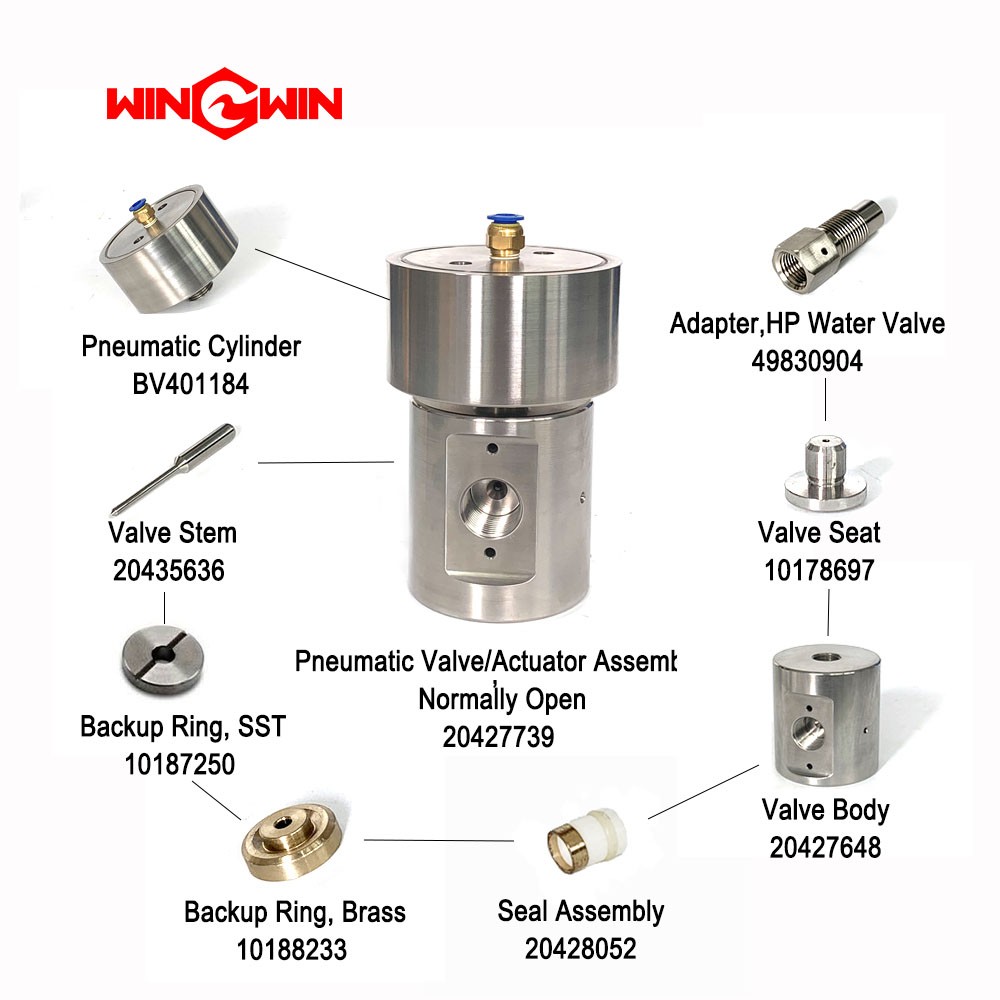
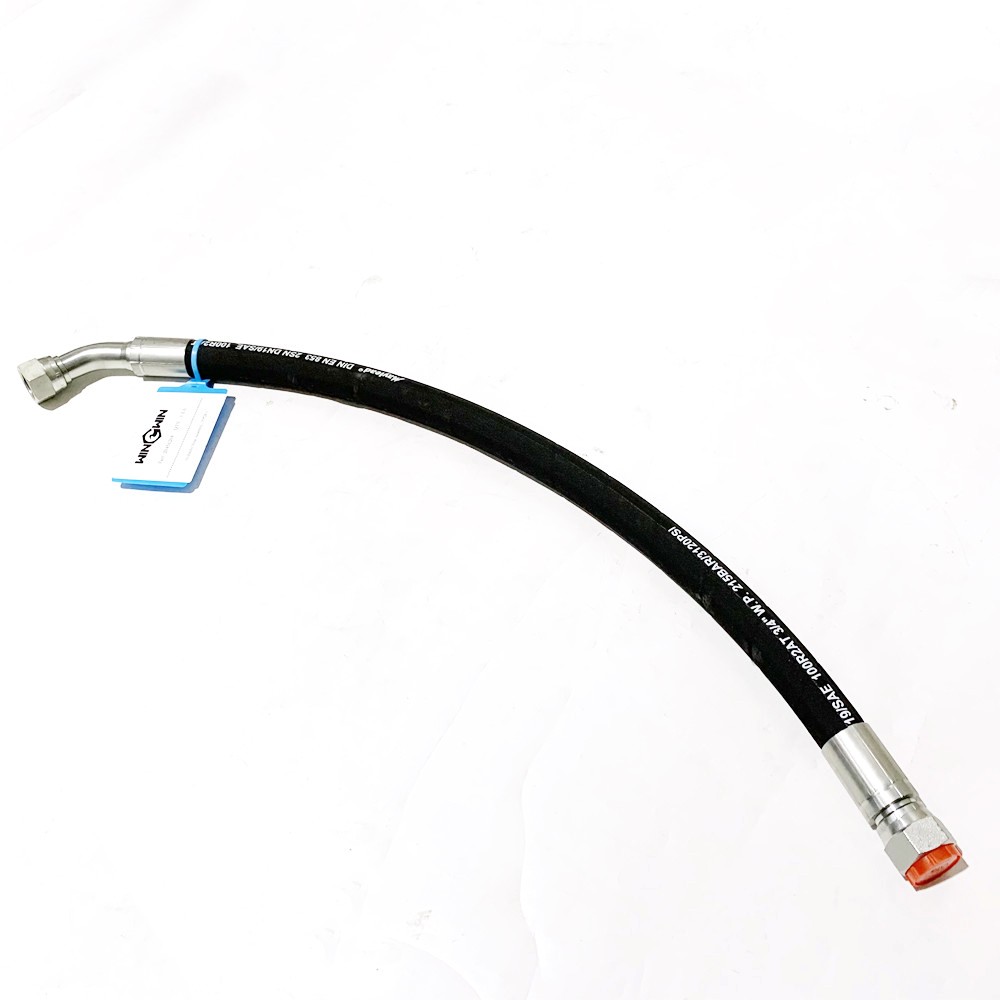
20455089 Hose Hydraulic LP
Product ID: 20455089 – Hose, Hydraulic LP (Low Pressure Hydraulic Hose)
Description:
This component is a low-pressure (LP) hydraulic hose assembly designed for the hydraulic power unit of waterjet cutting systems. It serves as a flexible conduit that transports hydraulic fluid between the hydraulic pump, control valves, reservoir tank, and the intensifier's hydraulic cylinder. The "LP" designation indicates this hose is rated for the low-pressure side of the hydraulic circuit (typically 1,500–5,000 PSI / 100–345 bar), as opposed to the ultra-high pressure water lines (60,000 PSI / 4,137 bar) used in the cutting system.
Applications:
Used in waterjet cutting machines to convey hydraulic oil from the pump to the intensifier's hydraulic cylinder and directional control valves
Connects the hydraulic reservoir to the pump inlet and return lines to the tank
Suitable for the low-pressure side of hydraulic systems in waterjet intensifier pumps
Compatible with SL-V, SL-VI, Classic series, and OEM intensifier assemblies
Typically rated for operating pressures up to 5,000 PSI (approximately 345 bar)
Features:
Low-Pressure Rating: Designed for the hydraulic return side, with pressure ratings typically between 1,500–5,000 PSI (100–345 bar)
Flexible Construction: Manufactured with synthetic rubber inner tube, textile or wire braid reinforcement, and abrasion-resistant outer cover
Corrosion-Resistant Fittings: Equipped with crimped or reusable hydraulic fittings (JIC, NPT, or ORFS thread types) to prevent hydraulic fluid leakage
Temperature Rating: Engineered for hydraulic fluid temperatures up to 200°F (93°C) with resistance to petroleum-based hydraulic oils
Vibration Absorption: Flexible design absorbs vibration from the hydraulic pump and intensifier cycling, protecting rigid connections from fatigue failure
Maintenance:
Regular Visual Inspection: Inspect hydraulic hoses weekly for signs of surface cracking, abrasion, bulging, or swelling. Pay particular attention to areas where hoses rub against machine frames or other hoses
Leak Detection: Check all fitting connections for drips or wetness. Even small hydraulic leaks can lead to pressure loss, system contamination, and environmental hazards
Bend Radius Compliance: Ensure hoses are not bent more tightly than the manufacturer's minimum bend radius. Sharp bends can collapse the inner tube and restrict flow, leading to pressure fluctuations
Abrasion Protection: Replace or install protective sleeving on hoses that contact metal edges or move against each other during pump operation
Oil Compatibility: Use only manufacturer-recommended hydraulic fluids (ISO VG 32, 46, or 68). Incompatible fluids can degrade the hose inner tube and cause premature failure
Replace in Sets: When one hydraulic hose shows signs of aging or failure, consider replacing all hoses of similar age to prevent unplanned downtime
Replacement Criteria: Replace the hose assembly immediately if any of the following are detected:
External cuts, gouges, or abrasion through the outer cover
Bulging or blistering (indicates inner tube or reinforcement failure)
Cracking or hardening of the rubber (sign of age or heat degradation)
Leaking or damaged fitting ends (stripped threads, bent ferrule)
Twisted or kinked installation
Torque Compliance: When reinstalling, tighten fitting connections to the specific torque values listed in the equipment service manual. Over-tightening may damage threads or seals; under-tightening may cause hydraulic leaks
Full Depressurization: Before disconnecting or replacing any hydraulic hose, fully depressurize the hydraulic system (shut off pump, cycle intensifier to bleed stored pressure), shut off the high-pressure water system, and follow lockout/tagout procedures
Fluid Cleanliness: When replacing a hydraulic hose, cap all open ports immediately to prevent contamination ingress. Hydraulic oil cleanliness is critical for the intensifier's hydraulic cylinder and directional valve longevity
Storage: Store spare hydraulic hoses in a cool, dry environment away from ozone sources (electric motors, welding equipment), direct sunlight, and sharp edges
Product recommendation
-
Inlet-Water-Nipple-20457267
-
49888902 Standard Diamond Orifice 0.008" (0.203 mm)
-
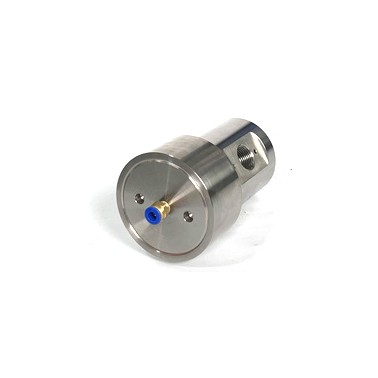
20427739-pneumatic-valve-actuator
-
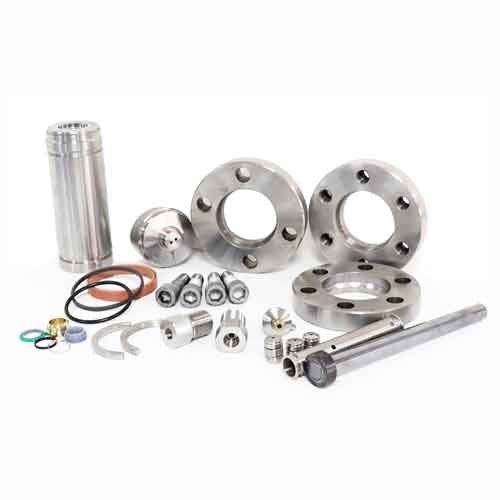
CP022017-172-Connection-Flangefor-BFT-waterjet
-
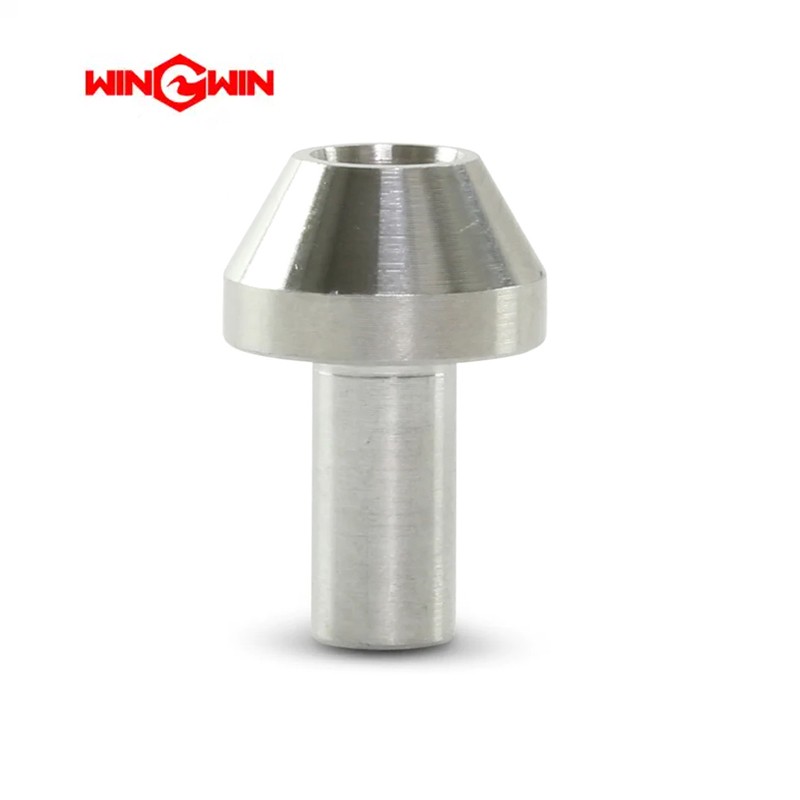
A2260018 Standard Sapphire Orifice 0.018" (0.457 mm)
-
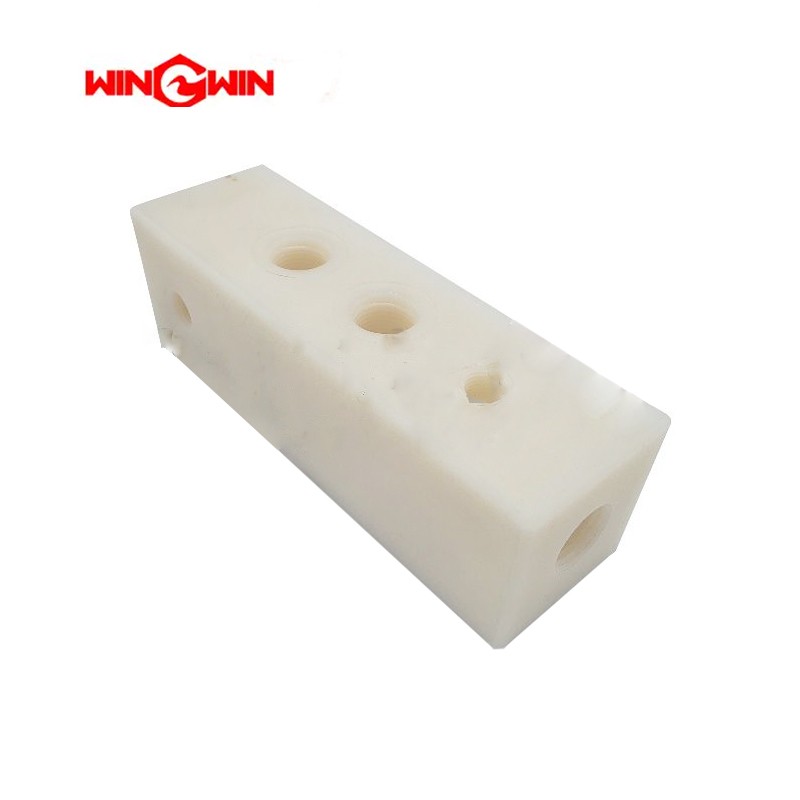
20413848 Manifold, LP Water Outlet Water Jet Pump Parts
-
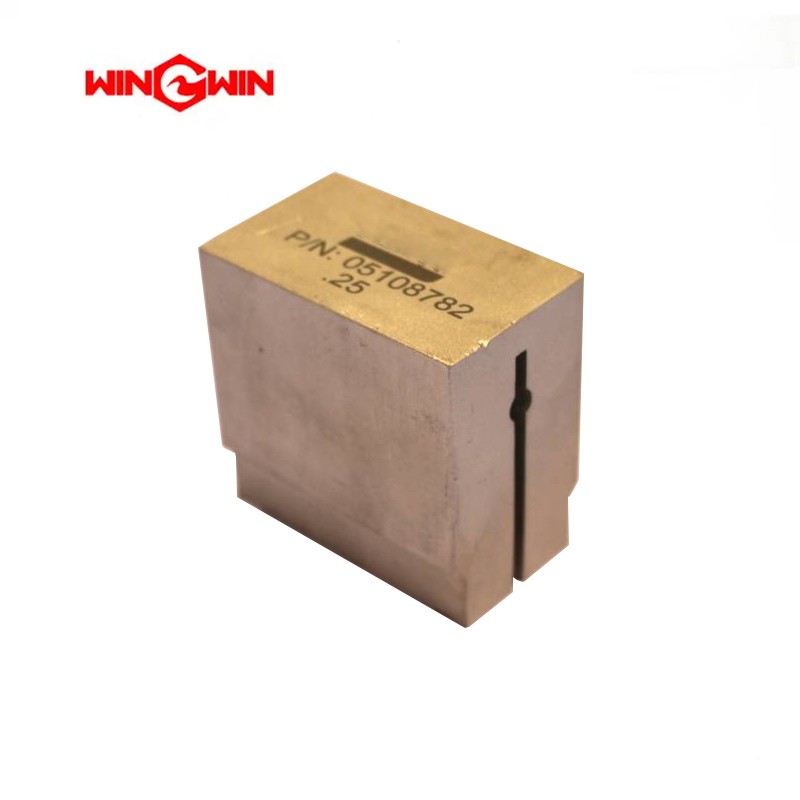
05108782 High Pressure Threading Tools Tube Vise, .25
