
301001-3-R-End-Bell-60K-Right-15-GPM-60k-Intensifier-Parts
Product Name: End Bell Assembly, Right, 15 GPM, 60k (Part No. 301001-3-R)
Description:
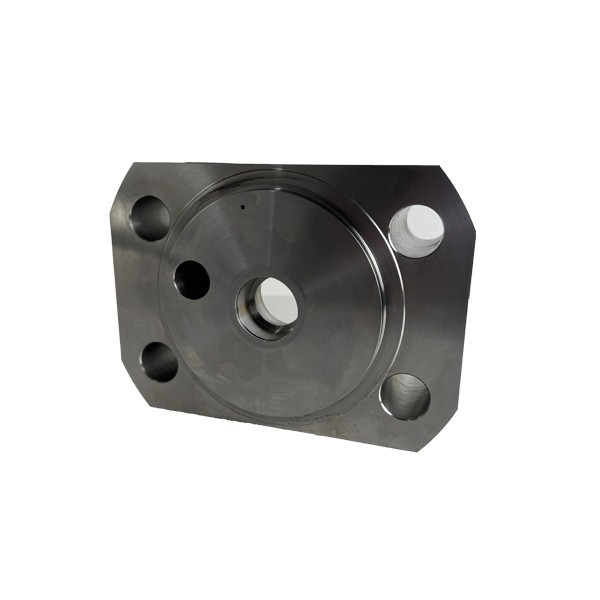
This component is a right-side end bell assembly for a 60,000 PSI (approximately 4,137 bar), 15 GPM waterjet intensifier pump. The end bell is a precision-machined structural housing, typically manufactured from high-strength stainless steel or hardened alloy, that serves as the hydraulic cylinder end cap.
The end bell provides the critical mounting interface for the tie rods that secure the complete intensifier stack (hydraulic cylinder, high-pressure cylinder, and sealing head) under extreme preload forces. It houses the low-pressure hydraulic seals and supports the internal components of the hydraulic cylinder assembly. The right-side designation indicates it is the cylinder end opposite the left end bell, allowing for correct orientation during assembly.
This end bell is designed to withstand continuous pressure cycling at ultra-high pressure and is compatible with standard 60k intensifier systems. The 15 GPM flow rating indicates it is optimized for medium-flow waterjet applications. It is a matched component to the left-side end bell (Part No. 301001-3-L) and both are typically serviced together during major pump overhauls.
Applications:
Serves as the hydraulic cylinder end cap on the right side of 60,000 PSI, 15 GPM waterjet intensifier pumps
Provides structural support for tie rods that secure the intensifier stack under preload
Houses low-pressure hydraulic seals within the cylinder assembly
Compatible with 15 GPM, 60k-rated waterjet intensifier systems
Features:
High-Strength Stainless Steel Construction: Provides exceptional corrosion resistance and structural integrity under extreme pressure cycling
Precision-Machined Sealing Surfaces: Ensures leak-free fit with hydraulic cylinder interfaces
Right-Side Specific: Designed for the right-hand side of the intensifier assembly to ensure correct orientation
15 GPM & 60k Rating: Optimized for medium-flow, ultra-high pressure waterjet applications
Tie Rod Mounting: Features precision-drilled holes for four tie rods that clamp the intensifier assembly together
Maintenance:
Failure Diagnosis:
External Hydraulic Leakage: Oil weeping from the end bell area indicates oil seal failure or O-ring degradation
Fluid Contamination: Milky hydraulic oil may indicate water contamination past seals
Visual Damage: During disassembly, inspect the end bell for cracks, corrosion, thread damage, or sealing surface scoring
Reduced Performance: Pressure loss or erratic intensifier cycling may indicate end bell misalignment or seal failure
Inspection and Replacement Guidelines:
Alignment Fixture Required: An intensifier assembly fixture is required for this procedure to square the end bells with each other and minimize the possibility of O-ring damage as the cylinder is drawn onto the end bells. When end bells are assembled out of alignment, oil manifold leakage and breakage may occur
Inspection Frequency: During scheduled preventive maintenance, inspect the end bell for signs of wear, thread galling, or surface damage
Seal Replacement: When you see oil leaking from the inspection area of the cylinder end bell, replace the high-pressure oil seal in time
Cleaning: Thoroughly clean the end bell, cylinder bore, and all sealing surfaces before installing new O-rings and seals
Lubrication: Apply anti-seize compound on the flat end and shoulder areas during reassembly to aid in installation and sealing
Torque Compliance: Reassemble tie rods and retaining nuts (4) and tighten in a crossing pattern
Replacement Criteria: Replace the end bell immediately if cracks, severe corrosion, thread damage, or sealing surface damage is detected. Do not attempt to repair a cracked or severely damaged end bell
Proximity Switch Reinstallation: Reinstall proximity switches after service; failure to do so will result in considerable spraying of hydraulic oil
Full Depressurization: Always fully depressurize the waterjet system and follow lockout/tagout procedures before removing or servicing the end bell