05144514 Hydraulic Cylinder
Product ID: 05144514 – Hydraulic Cylinder
Description:
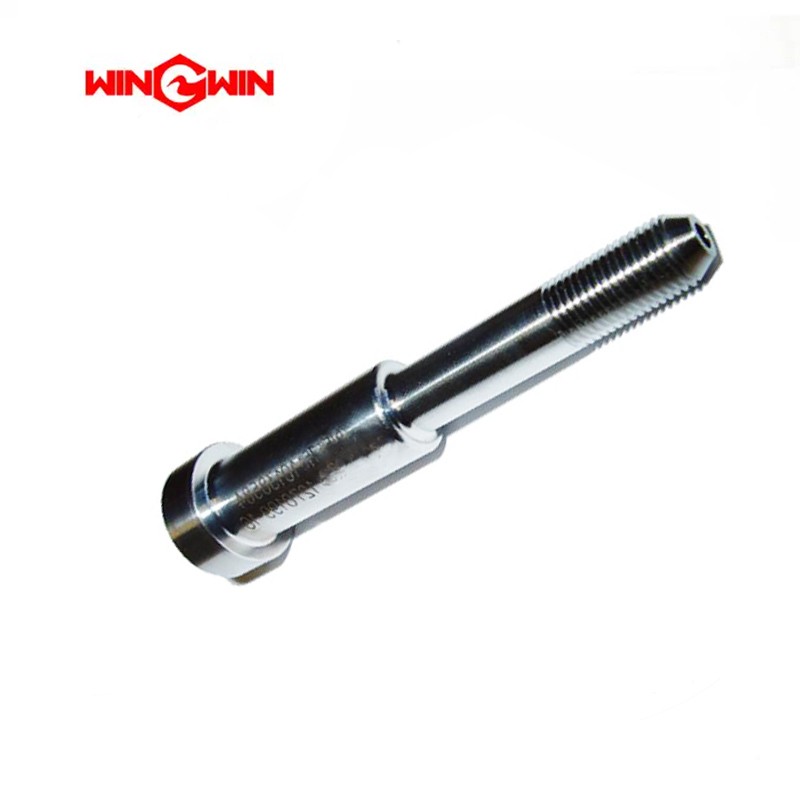
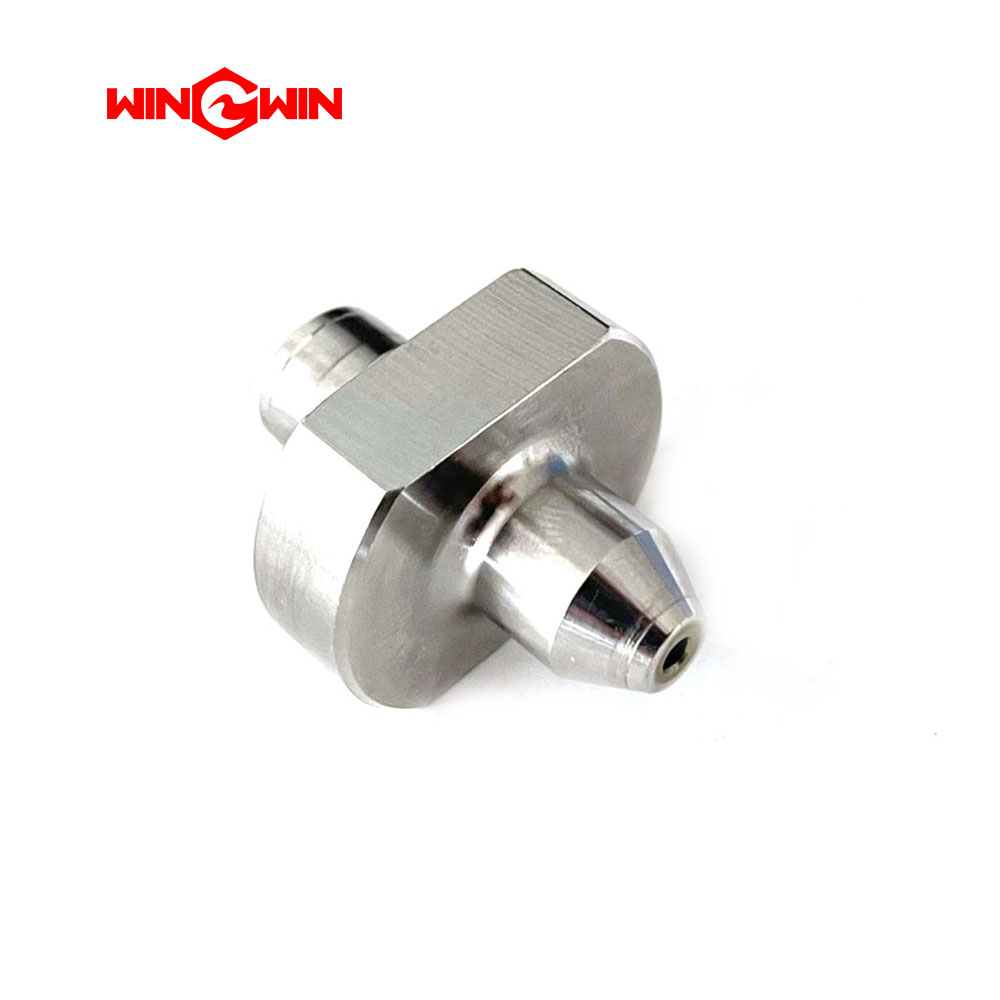
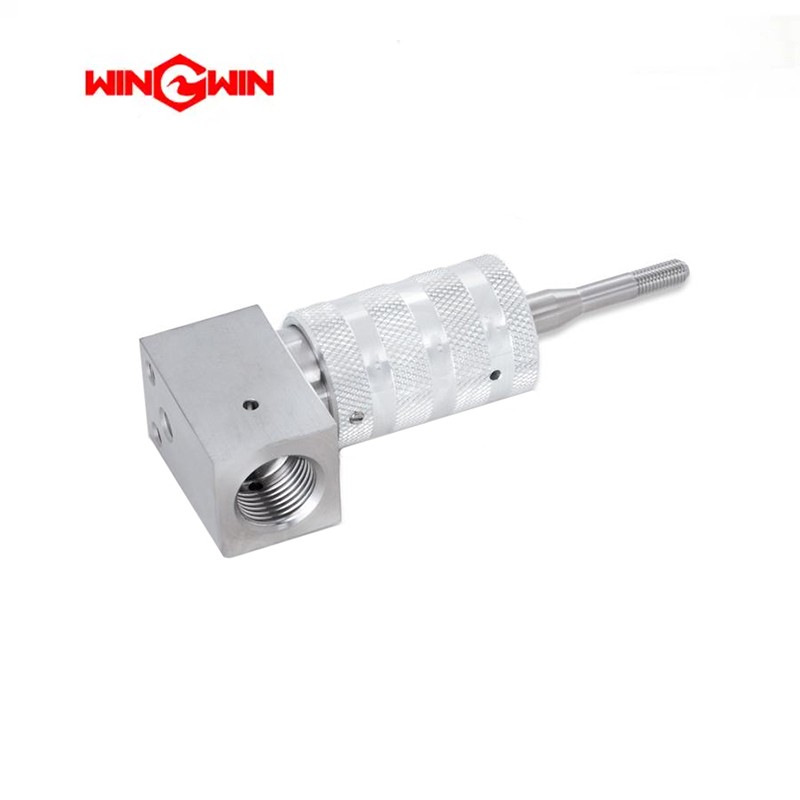
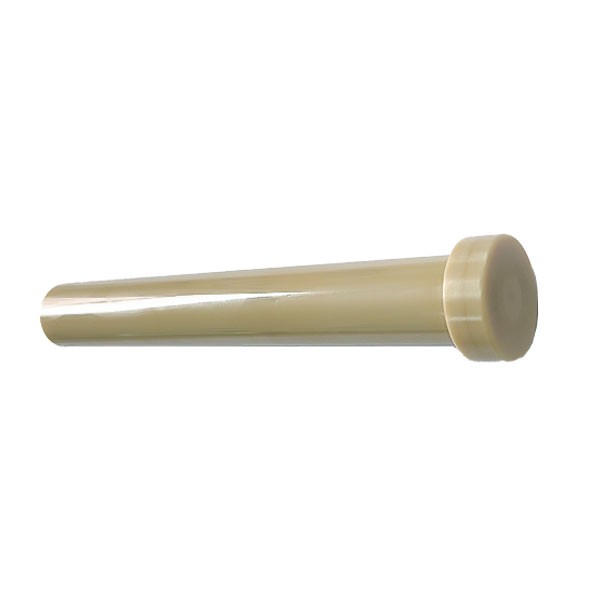
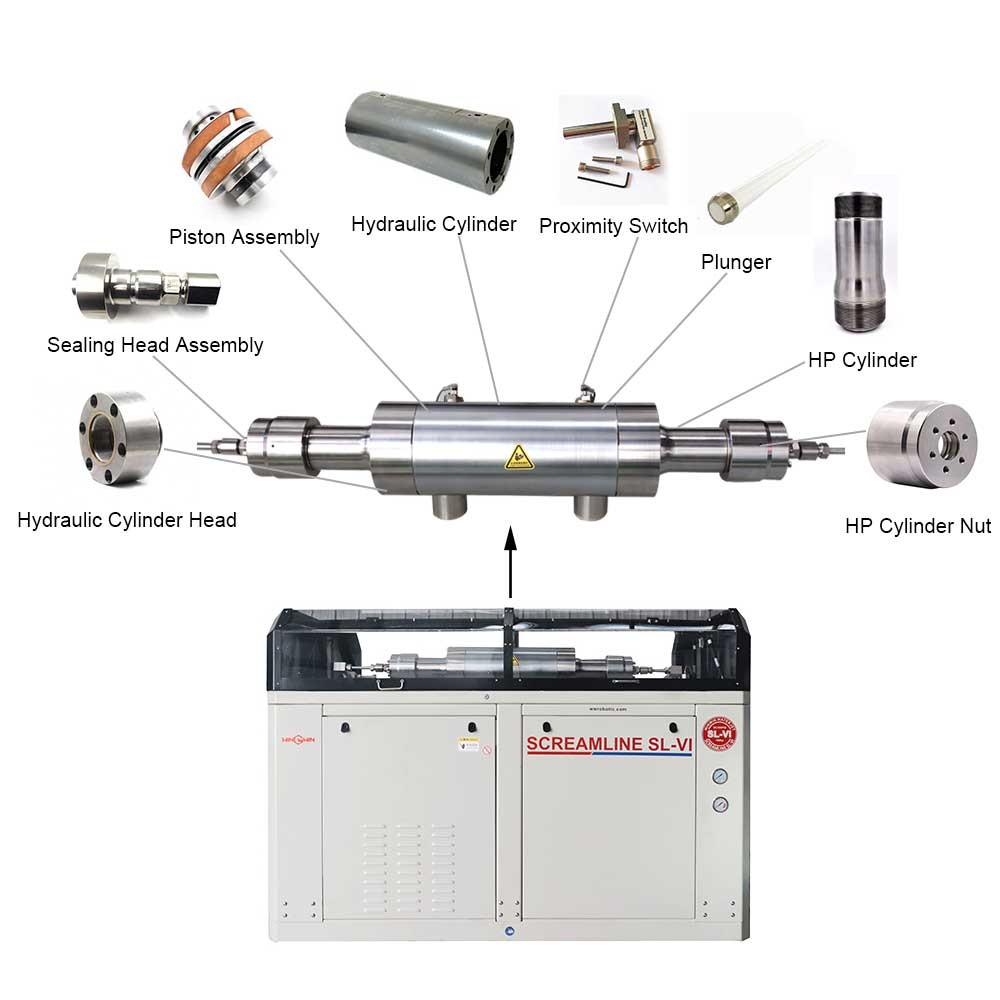
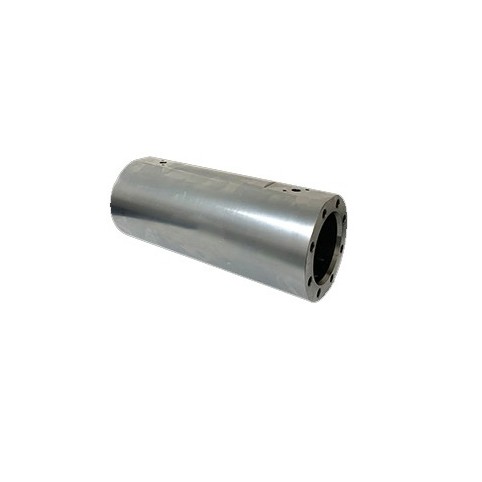
This component is a hydraulic cylinder designed for waterjet cutting systems. It is a linear actuation device that converts hydraulic fluid pressure into mechanical force and motion, typically used to drive the intensifier piston or other hydraulic functions within the waterjet power unit.
Applications:
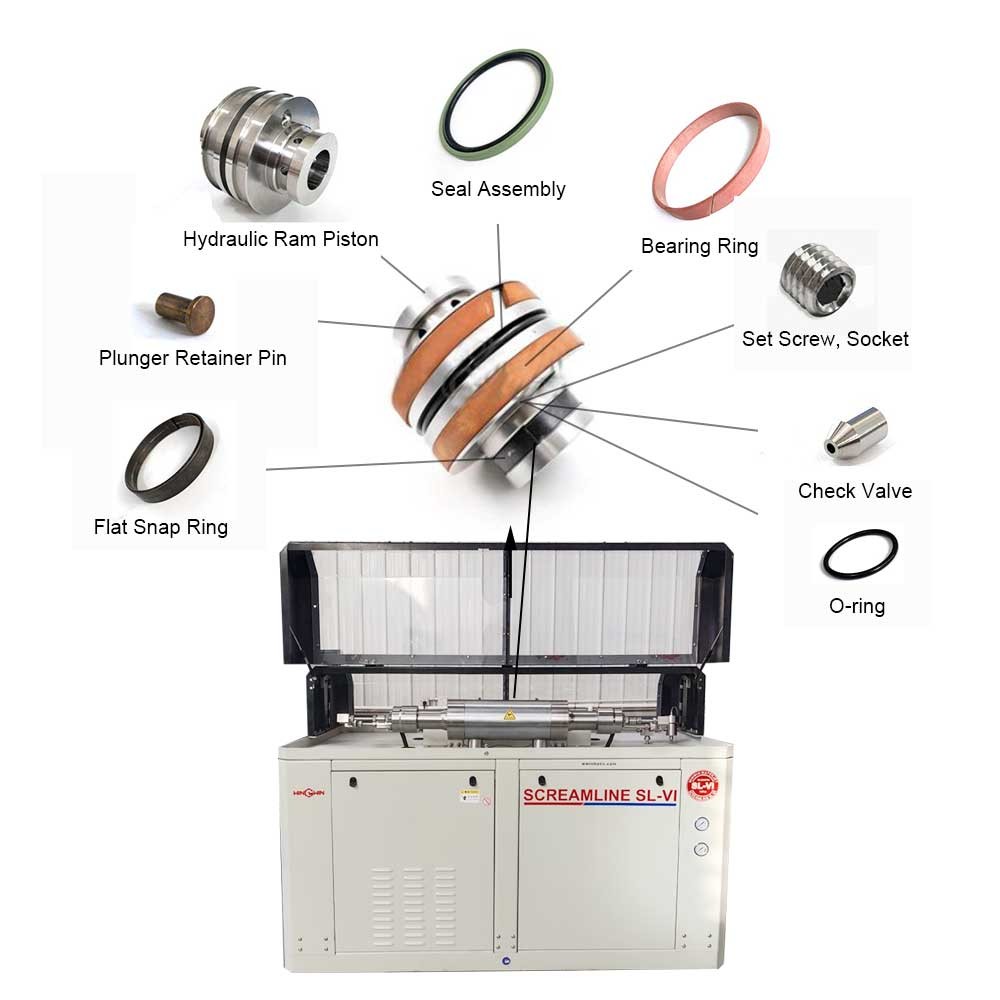
Used as the low-pressure driving element within an intensifier pump, where hydraulic pressure drives a large piston that in turn drives a smaller high-pressure plunger.
Installed in the hydraulic power pack or intensifier assembly to provide reciprocating motion for water compression.
Suitable for waterjet cutting machines requiring reliable hydraulic actuation for pressure generation and system control functions.
Features:
Constructed from high-strength ductile iron or steel to withstand repeated hydraulic pressure cycling.
Precision-honed internal bore for smooth piston movement and long seal life.
Designed with appropriate porting for hydraulic fluid inlet and outlet, typically standard threaded ports such as SAE or NPT.
Includes mounting features such as flanges, clevis mounts, or threaded ends for secure attachment to the intensifier frame.
Equipped with wear rings and sealing elements to prevent internal and external hydraulic fluid leakage.
Engineered to operate at standard hydraulic pressures typically ranging from 1,500 to 5,000 psi (approximately 100 to 345 bar).
Designed for continuous reciprocating duty cycles common in waterjet intensifier applications.
Maintenance:
Fully depressurize both the hydraulic system and the high-pressure water system before servicing the hydraulic cylinder.
Disconnect hydraulic lines carefully, capturing any spilled fluid and capping ports to prevent contamination.
Remove the cylinder from the intensifier assembly using appropriate lifting equipment if the cylinder is heavy.
Inspect the cylinder external surfaces for signs of hydraulic leakage, cracks, corrosion, or physical damage.
Check all threaded ports and mounting features for wear or deformation.
During overhaul, disassemble the cylinder and inspect the internal bore for scoring, galling, pitting, or ovality.
Measure the bore diameter at multiple locations to verify dimensional accuracy within manufacturer specifications.
Inspect the piston rod for scoring, bending, chrome plating damage, or corrosion.
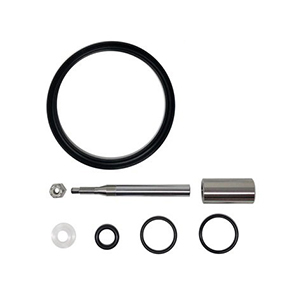
Replace all seals, wear rings, and wipers during a complete rebuild rather than reusing old components.
Lubricate new seals with hydraulic oil or manufacturer-recommended assembly lubricant before installation.
Tighten cylinder head nuts or retaining rings to the torque values specified in the equipment service manual.
After reassembly, slowly pressurize the hydraulic system and check for external leaks, smooth piston travel, and proper function.
Monitor hydraulic fluid cleanliness; contaminated fluid accelerates cylinder wear and seal failure.
Replace the hydraulic cylinder if the bore or piston rod damage exceeds manufacturer-specified limits or if cracks are detected.