05144506 Ceramic Plunger
Product ID: 05144506 – Ceramic Plunger
Description:
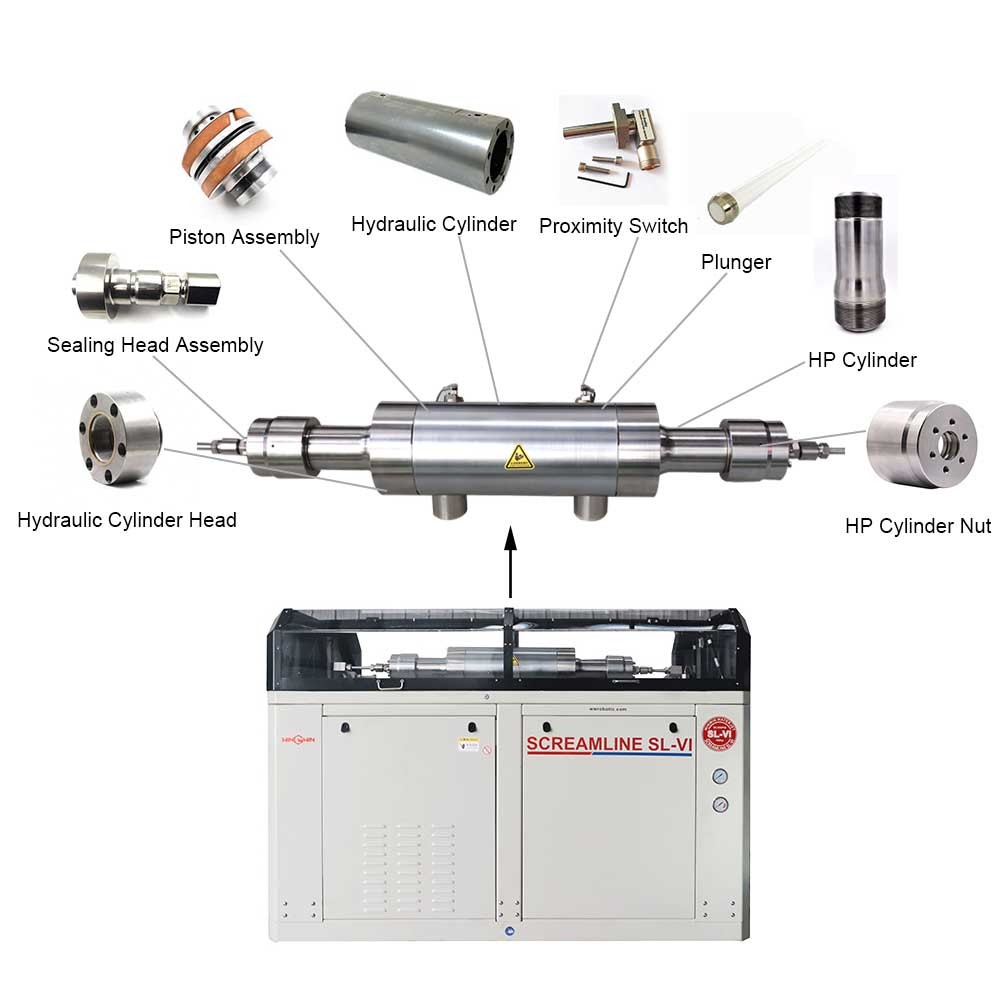
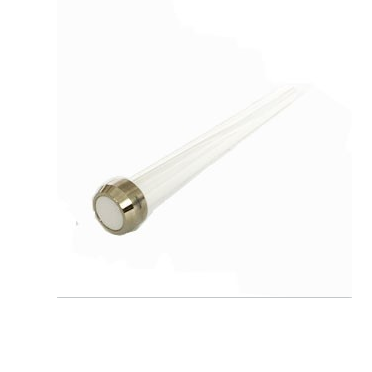
This component is a ceramic plunger designed for high-pressure waterjet cutting systems. It is a cylindrical reciprocating component that moves within a high-pressure cylinder or stuffing box to compress water to ultra-high pressures. The ceramic construction provides exceptional hardness and wear resistance for extended service life.
Applications:
Used as the reciprocating pressure-generating element within an intensifier pump or direct-drive pump head.
Installed in the high-pressure water section where linear motion of the plunger creates pressure intensification.
Suitable for both pure water and abrasive waterjet systems requiring durable, long-lasting plunger performance under cyclic high-pressure operation.
Features:
Manufactured from advanced ceramic material, typically zirconia (zirconium dioxide) or alumina (aluminum oxide), known for extreme hardness and smooth surface finish.
Provides exceptional wear resistance against high-pressure seals, reducing seal wear and extending seal life.
Highly corrosion-resistant and chemically inert, compatible with fresh water, tap water, and additives.
Precision-ground and polished surface finish minimizes friction and heat generation during reciprocation.
Resists scoring and scratching that commonly occurs on metallic plungers, maintaining sealing effectiveness over longer periods.
Designed to withstand rapid pressure cycling without fatigue failure typical of some metal components.
Lower coefficient of friction compared to steel plungers, reducing power consumption and heat buildup.
Maintenance:
Fully depressurize the waterjet system and disconnect power before removing or servicing the plunger.
During disassembly, carefully extract the ceramic plunger from the cylinder bore or gland assembly; avoid dropping or striking the plunger against hard surfaces.
Handle the ceramic plunger with care; ceramic materials are hard but can be brittle and may crack or chip under impact.
Inspect the plunger surface for cracks, chips, spalling, scoring, or unusual wear patterns under good lighting.
Check the entire cylindrical surface and both end faces; any visible crack or chip warrants immediate replacement.
Clean the plunger with a soft cloth and low-pressure water; avoid abrasive cleaners or tools that could damage the polished surface.
Measure the plunger diameter at multiple points to detect uneven wear or out-of-round condition.
Replace the ceramic plunger if surface imperfections are detected or if replacement is recommended during seal kit service.
Before installing a new plunger, inspect the cylinder bore and seals for damage that could affect plunger performance.
Lubricate the plunger surface with manufacturer-recommended assembly lubricant to prevent dry startup.
Install the plunger carefully, aligning it squarely with the bore to avoid side loading or binding.
After reassembly, slowly pressurize the system and check for leakage, abnormal noise, or excessive temperature rise.
Store spare ceramic plungers in protective packaging away from edge contact or impact to prevent pre-service damage.