700002-1-Bulk-Hopper-65-cu-ft-WSight-Glass
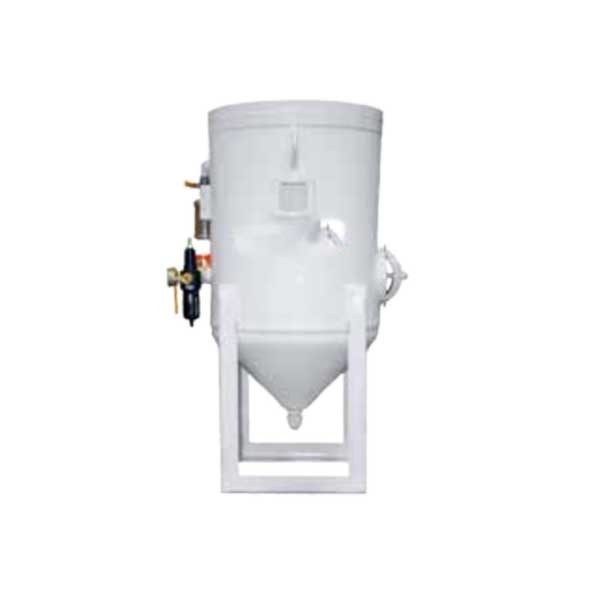
Product Name: Bulk Abrasive Hopper (65 cu. ft., with Sight Glass) – Part No. 700002-1
Description:
This component is a large-capacity abrasive storage hopper with a 65 cubic foot volume, specifically designed for high-production waterjet cutting systems. It serves as the main reservoir for dry abrasive garnet, feeding the abrasive metering system and ultimately the cutting head mixing chamber. The inclusion of a sight glass (a transparent window on the hopper body) allows operators to visually monitor the abrasive material level without opening the hopper, which helps prevent running out of abrasive during long, unattended cutting operations.
This hopper operates on a gravity-fed principle. It is typically pressurized to assist in conveying the dry abrasive down to a smaller metering hopper or directly to the cutting head. The unit is constructed to protect the abrasive from moisture, as wet or clumped abrasive is a leading cause of blockages, inconsistent flow, and backflow damage to the abrasive delivery system.
Applications:
Centralized bulk storage of garnet abrasive for high-volume waterjet cutting machines.
Feeding a downstream abrasive metering system or mini-hopper.
Reducing operator downtime by minimizing the frequency of manual refills.
Critical component for extended, unattended cutting operations.
Features:
High Capacity (65 cu. ft.): Allows for long-duration cutting sessions without interruption.
Integrated Sight Glass: Provides a quick, visual check of the remaining abrasive level, eliminating the need to open the hopper.
Pneumatic Conveying: Utilizes low-pressure air to assist in moving abrasive out of the hopper.
Sealed Construction: Designed to keep abrasive dry and free from shop-floor contaminants.
Maintenance:
The primary maintenance tasks for a bulk hopper focus on preventing and clearing blockages.
Failure Diagnosis & Common Issues:
No Abrasive Flow (Dry Line): If the cutting head receives no abrasive, first verify the hopper is not empty via the sight glass.
Clogged Hopper Outlet: Moisture ingress or foreign debris can cause the abrasive to pack and bridge inside the hopper, stopping gravity flow.
Wet Abrasive: If the abrasive in the hopper becomes wet (e.g., from severe water backflow in the cutting head), it will clump and must be removed and dried.
Troubleshooting & Clearing Procedures:
Check Level: Use the sight glass to confirm abrasive is present. If the hopper is empty, refill it with dry abrasive.
Inspect for Moisture: If the abrasive is wet or clumpy (often visible through the sight glass or at the outlet), the hopper may need to be emptied, thoroughly cleaned, and dried. Do not run wet abrasive through the system.
Clear Blockages: If the outlet is clogged:
Safely depressurize the bulk hopper system.
Use a soft tool or a blast of low-pressure compressed air (≤ 35 PSI / 0.25 MPa) to dislodge the blockage from the outlet port.
WARNING: Never use a sharp or metal object to clear a blockage, as this can damage the internal seals or metering components.
Vacuum the Hopper: During major service, completely empty the hopper. Remove any compacted abrasive or debris from the walls and outlet using a shop vacuum and a soft brush.
Full Depressurization (Critical): Before opening any inspection port or disconnecting the abrasive feed line for maintenance, you must shut off the air supply to the bulk hopper and bleed down any stored pressure in the system.
Storage: Store all bulk abrasive in a cool, dry location. Keep the hopper lid and tank covers sealed when the machine is not in use to prevent humid air from entering and causing clumps.