301064-1-Power-Coning-Tool-for-H2O-Jet
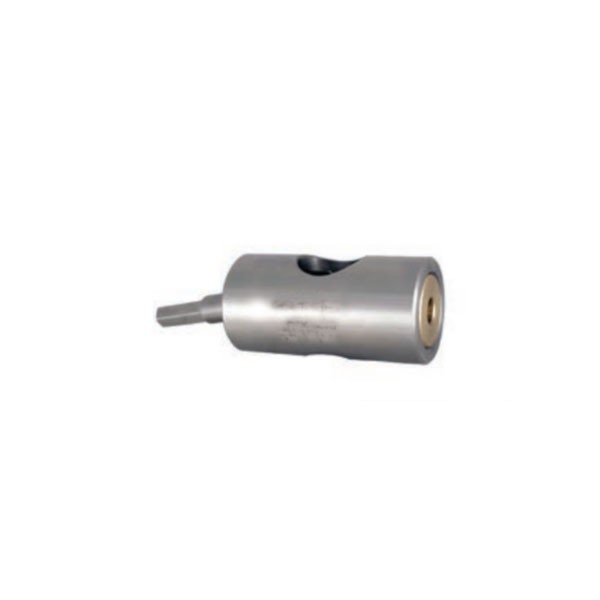
Product Name: Power Coning Tool for H2O Jet (Part No. 301064-1)
Description:
This component is a specialized power coning tool designed for shaping the ends of high-pressure (HP) tubing in waterjet cutting systems. It is engineered to be chucked into a standard power drill (3/8-inch or 1/2-inch variable speed) for rapid and accurate forming of the 60-degree cone seal surface on stainless steel tubing ends .
The cone seal is a critical metal-to-metal sealing surface that, when compressed by a gland nut against a mating cone in a high-pressure fitting, creates the leak-proof barrier required for ultra-high pressure water (up to 60,000 PSI / 4,137 bar). This tool ensures the cone is perfectly centered and has the correct angle and surface finish, which is essential for preventing high-pressure leaks and ensuring the integrity of the high-pressure plumbing system .
Power coning is the standard method for preparing tubing ends in production environments or when fabricating custom-length high-pressure lines, as it is significantly faster and more consistent than manual methods. The tool is typically used in conjunction with a tube vise to hold the tubing securely during the coning operation.
Applications:
Forming precision 60-degree cone seals on 1/4-inch, 3/8-inch, or 9/16-inch stainless steel waterjet tubing
Used during the installation of new high-pressure piping runs or when replacing damaged HP tubing
Essential for fabricating custom-length high-pressure lines for intensifier pumps and cutting head assemblies
Utilized in maintenance shops for preparing replacement high-pressure tubing
Features:
Power-Driven Efficiency: Designed to be chucked into a standard variable-speed drill, allowing for rapid cone formation with steady pressure
Precision Cone Geometry: Engineered to produce the exact 60-degree angle and smooth surface finish required for leak-free metal-to-metal sealing
Durable Construction: Manufactured from hardened materials to withstand the forces of shaping stainless steel tubing
Tube Vise Integration: Designed to work in conjunction with a tube vise which holds the tubing securely during the coning process to ensure a centered, straight cone
Maintenance:
Operational Guidelines:
Lubrication (Critical): Apply a generous amount of medium-weight cutting oil to the tube end and the coning tool frequently throughout the operation. This cools the tool, reduces friction, and ensures a smooth cone surface
Speed Control: Use a variable speed drill at moderate speed. Apply steady, firm pressure against the tube end while the cone is being formed. Excessive speed or pressure can overheat the tool or deform the tubing
Surface Inspection: After coning, inspect the 60-degree sealing surface for any nicks, scratches, chatter marks, or uneven surfaces. Any imperfection will cause high-pressure leaks
Debris Management: Remove all metal chips from the tube interior and exterior after coning to prevent contamination of the high-pressure system
Tool Care:
Cleaning: After each use, thoroughly clean the cutting surfaces of the coning tool to remove metal chips and cutting oil residue
Inspection: Regularly inspect the cutting edges of the tool for dullness, chipping, or wear. A dull tool will produce rough cone surfaces that will leak under high pressure
Storage: Store the tool in a dry, clean environment. Apply a light coat of oil to the cutting surfaces to prevent rust
Replacement: Replace the coning tool if the cutting edges are damaged or if the tool no longer produces smooth, properly angled cone surfaces
Safety Precautions:
Always wear appropriate eye protection when operating power tools
Secure the tubing firmly in a tube vise before coning to prevent the tube from spinning
Fully depressurize the waterjet system before disconnecting any high-pressure lines