100001-3-High-Pressure-Cylinder-15-GPM-60k
Product Name: High Pressure Cylinder, 60k, 15 GPM (Part No. 100001-3)
Description:
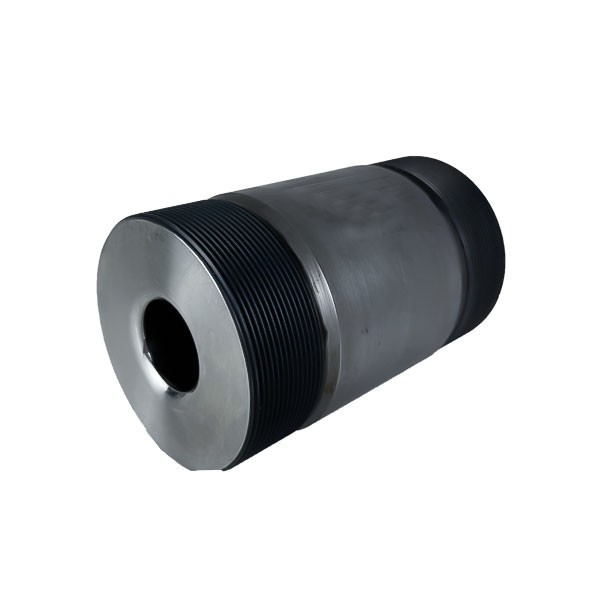
This component is a high-pressure cylinder for waterjet intensifier pumps, designed to generate and sustain ultra-high pressure water for precision cutting. It is manufactured from high-strength stainless steel or hardened alloy steel, featuring a precision-honed internal bore that serves as the chamber where water is compressed by a reciprocating plunger.
The "60k" designation indicates a maximum working pressure of 60,000 PSI (approximately 4,137 bar), while "15 GPM" refers to the compatible flow rate of the intensifier system. The cylinder features threaded connections for secure attachment to the hydraulic cylinder head and check valve assembly.
Applications:
Primary pressure containment vessel within 60,000 PSI waterjet intensifier pumps
Houses the reciprocating ceramic plunger and high-pressure seal assemblies
Suitable for industrial waterjet cutting operations across metal fabrication, stone processing, and aerospace sectors
Features:
High-Strength Construction: Manufactured from corrosion-resistant stainless steel or hardened alloy steel with advanced heat treatment for enhanced mechanical strength
Precision-Honed Bore: Internal surface polished to minimize friction on seals and plunger, optimizing sealing performance
High-Pressure Rating: Engineered for continuous operation at 60,000 PSI (4,137 bar)
Threaded Design: Features precision-machined threads for secure assembly with hydraulic cylinder head and sealing head
Wear Resistance: Designed to withstand extreme pressure cycling and high-frequency reciprocating motion
Maintenance:
Inspection Protocol:
Bore Inspection: Each time the high-pressure seal assembly is replaced, clean and inspect the cylinder bore for rings, scratches, pits, residue buildup, or other potential leak paths
Surface Defect Detection: Run a fingernail across the bore surface to identify imperfections; grooves or ridges are typically seal debris buildup rather than cylinder wall damage
Thread Inspection: Inspect cylinder threads for signs of galling, wear, or damage. If galling occurs, remove the cylinder, clean thoroughly, lubricate, and reinstall
External Inspection: Check for visible cracks, corrosion, or mechanical damage on the cylinder exterior
Cleaning and Polishing:
Bore Cleaning: Clean the sealing area on the inside diameter of the cylinder and remove residue buildup
Bore Polishing (Minor Imperfections): Polish the inside diameter where seals will locate with 600-grit wet/dry sandpaper. Hold the sandpaper on the end of your finger and move in a circumferential wiping motion only. Do not polish or drag sandpaper along the length of the cylinder, as this may damage the bore surface
Installation Guidelines:
Lubrication: Verify that cylinder threads and alignment surfaces are adequately cleaned and lubricated with high-pressure grease before installation
Thread Conditioning: If galling was encountered during removal, threads must be sanded and dressed before reinstallation
Proper Seating: Ensure the cylinder is correctly seated against the hydraulic cylinder head and sealing head
Torque Compliance: Tighten cylinder connections to the specific torque values listed in the equipment service manual
Replacement Criteria:
Wear Indicator: The high-pressure cylinder is considered a major wear part that requires periodic replacement; inner walls gradually wear over time due to continuous operation under ultra-high pressure and reciprocating motion
Replacement Indicators: Replace immediately if deep scratches, pitting, cracking, out-of-round condition, or thread damage is detected
Preventive Replacement: Follow manufacturer-recommended replacement intervals based on operating hours to prevent seal failure, pressure loss, and potential system damage
Safety Precautions:
Full Depressurization: Always fully depressurize the waterjet system and follow lockout/tagout procedures before removing or servicing the high-pressure cylinder
Support Weight: The cylinder is heavy; support its weight during removal and installation to prevent damage or injury