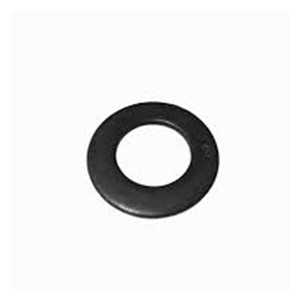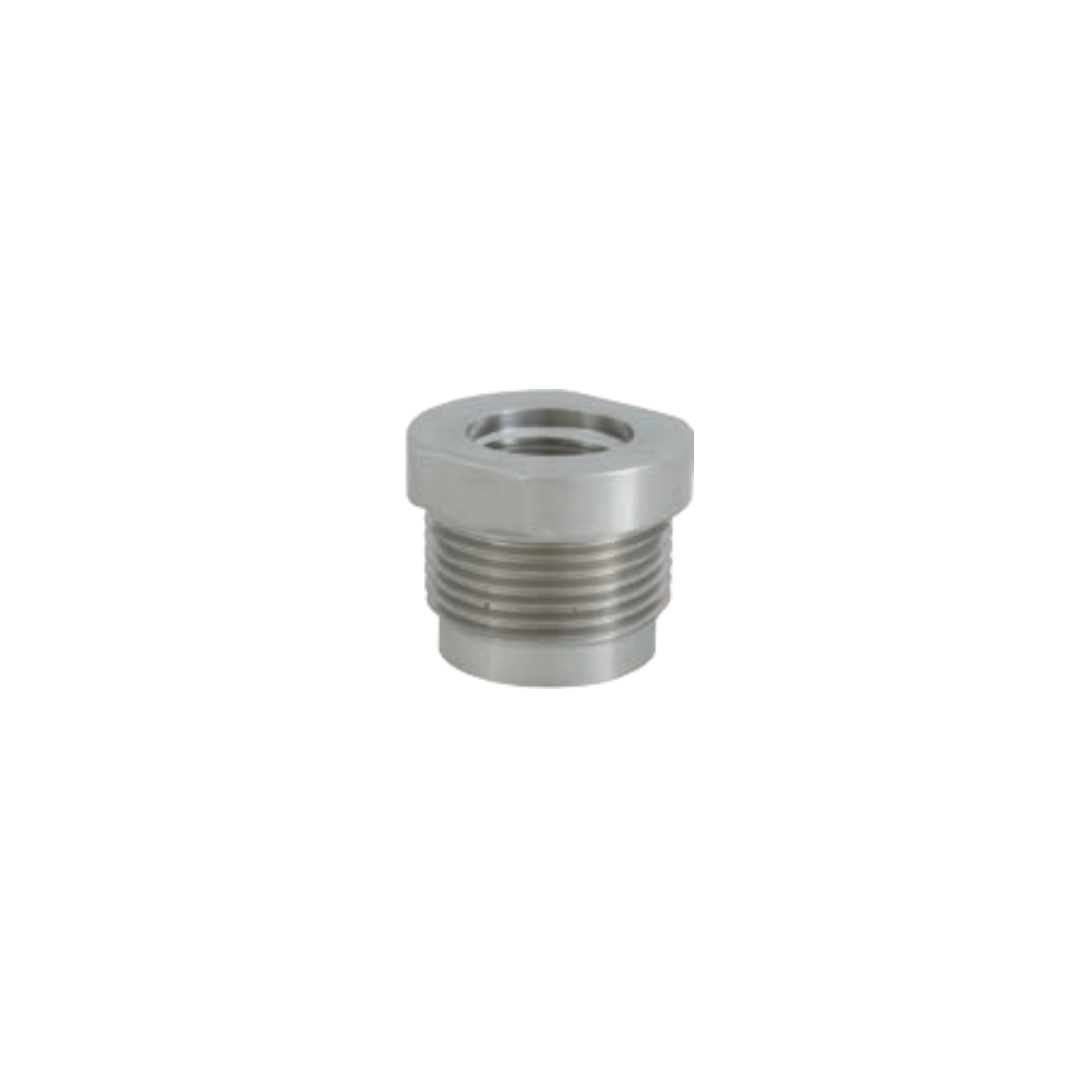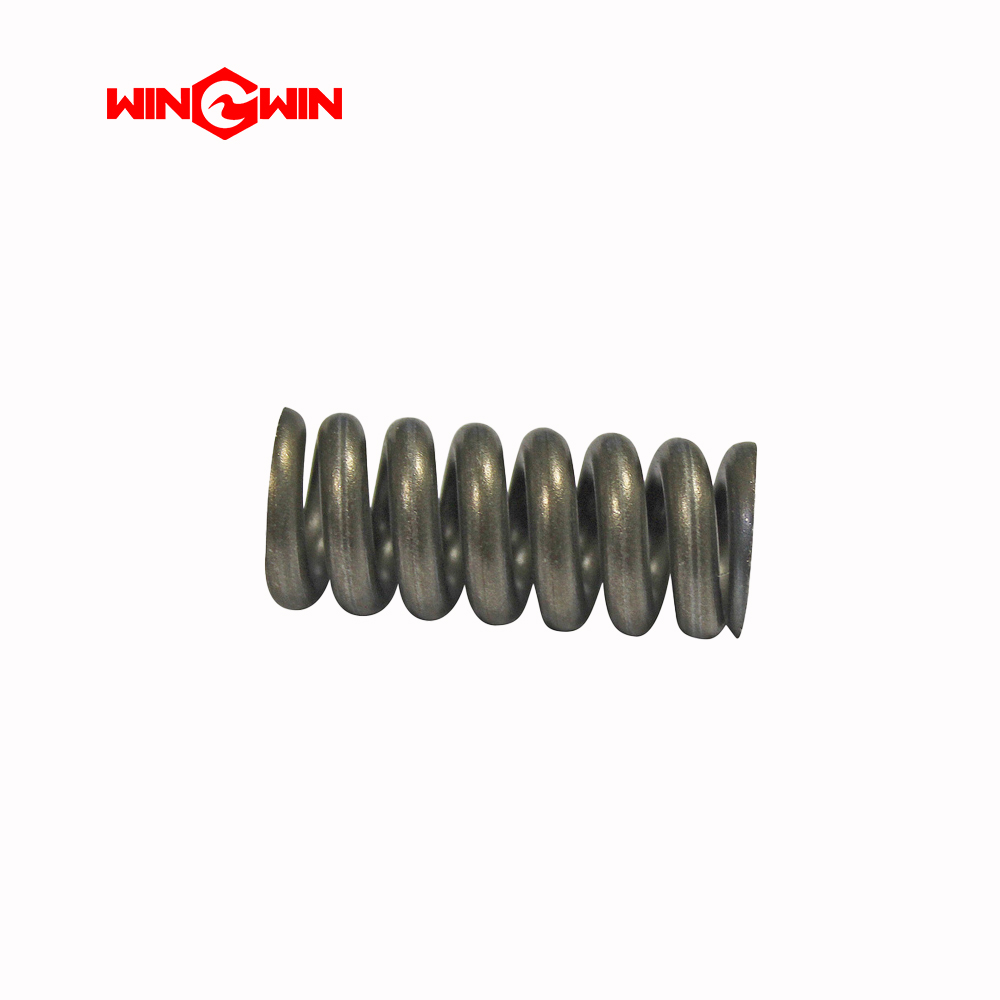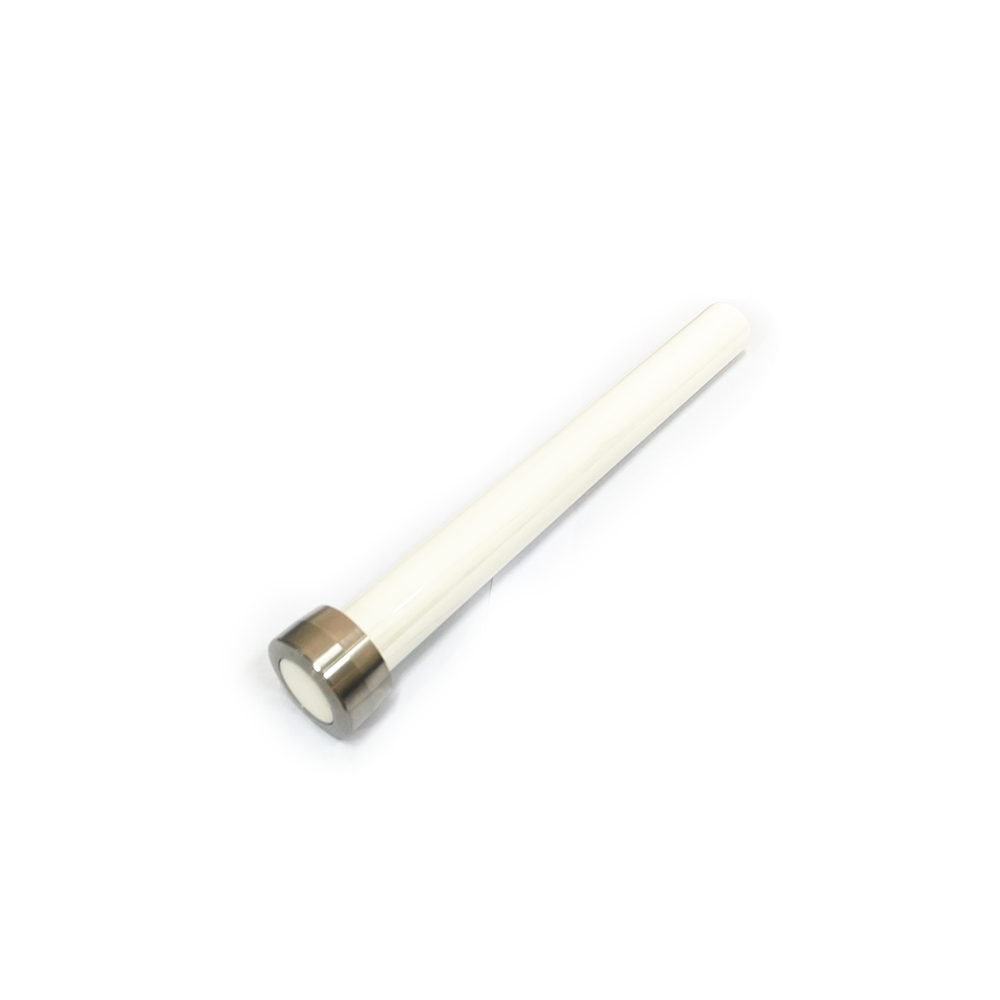
100009-3-Check-Valve-Main-Body-15-GPM-60K
Product Name: Check Valve Main Body, 60k, 15 GPM (Part No. 100009-3)
Description:
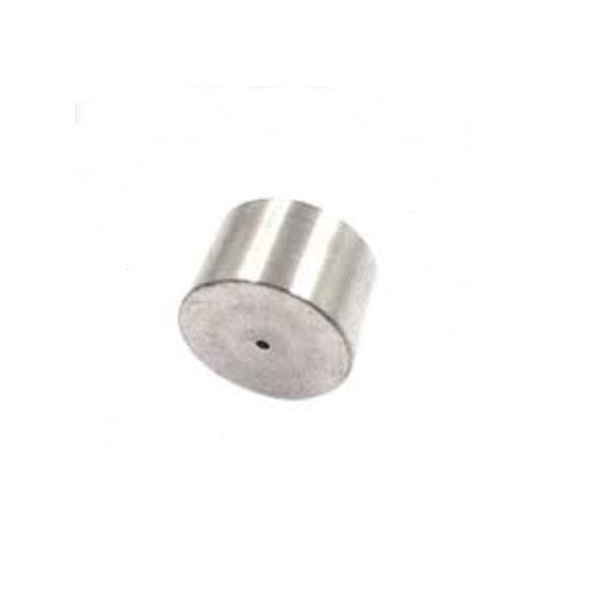
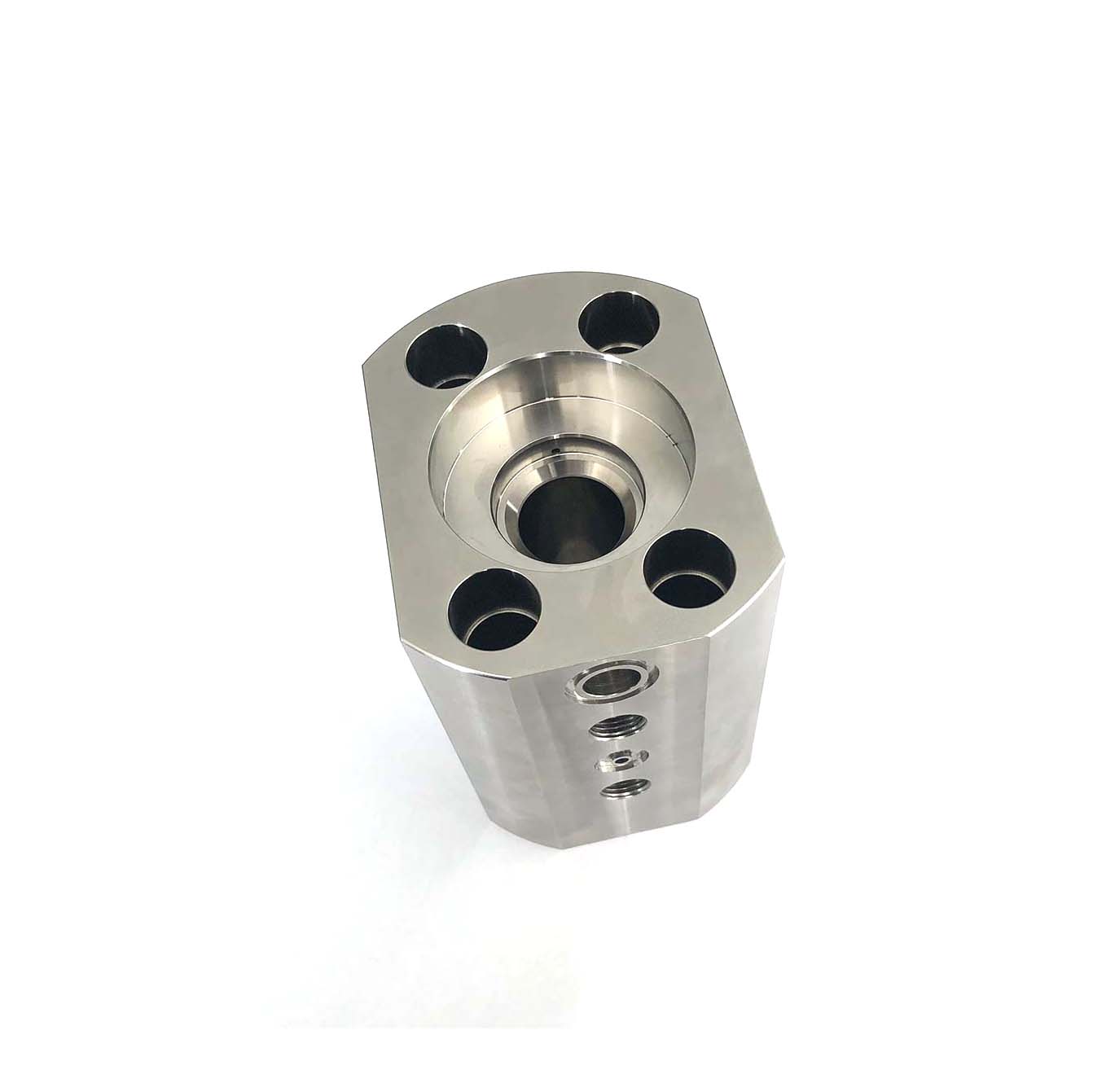
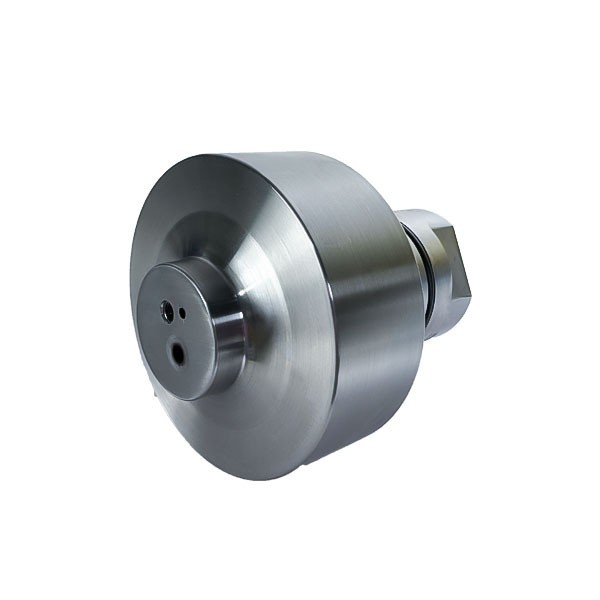
This component is the main valve body of a high-pressure check valve assembly, specifically designed for 60,000 PSI (approximately 4,137 bar) waterjet intensifier pumps with a 15 GPM flow rating. It is a precision-machined housing, typically constructed from high-strength stainless steel or hardened alloy, that serves as the structural foundation for the check valve assembly .
The check valve main body contains internal flow passages and precision-machined cavities that house the inlet and outlet poppets, valve seats, springs, and sealing elements. The body integrates both the low-pressure water inlet port and the high-pressure water outlet connection, controlling the unidirectional flow of water during the intensifier's intake and compression strokes .
This component is installed between the high-pressure cylinder and the outlet manifold, secured by the cylinder head end cap. It features a weep hole for leak detection, allowing operators to monitor seal integrity without disassembling the pump .
Applications:
Serves as the central housing for the inlet (low-pressure) and outlet (high-pressure) check valves in 60,000 PSI waterjet intensifier pumps
Directs water flow from the low-pressure supply into the high-pressure cylinder during the intake stroke
Channels pressurized water from the cylinder to the outlet manifold and cutting head during the compression stroke
Compatible with 15 GPM, 60k-rated waterjet intensifier systems
Features:
High-Strength Stainless Steel Construction: Provides exceptional corrosion resistance and structural integrity under extreme pressure cycling
Integrated Flow Passages: Precision-machined internal bores direct water with minimal turbulence and pressure loss
Weep Hole Design: Allows visual detection of seal leakage without disassembly, serving as an early warning indicator
60,000 PSI Pressure Rating: Engineered for continuous operation at 4,137 bar
15 GPM Flow Rating: Optimized for medium to high-flow waterjet intensifier systems
Multiple Sealing Interfaces: Precision-machined grooves and surfaces accommodate O-rings, backup rings, and static seals
Maintenance:
Failure Diagnosis:
Water Leakage from Weep Hole: Water seeping from the weep hole on the cylinder head end cap indicates seal failure between the check valve body and high-pressure cylinder. Minor seepage may be tolerable temporarily, but significant leakage requires immediate service
Uneven Intensifier Cycling: If the intensifier piston moves faster in one direction than the other, the inlet or outlet check valve on the faster side is likely malfunctioning
Pressure Drop: Inability to maintain rated cutting pressure suggests worn valve seats, poppets, or internal seal failure
Internal Crossover: If high-pressure water leaks into the low-pressure water line, the check valve body may be cracked internally, requiring complete replacement
Inspection and Replacement Guidelines:
Disassembly: Fully depressurize the waterjet system, remove the cylinder head end cap, and extract the check valve main body from the high-pressure cylinder
Internal Inspection: Clean the internal passages and inspect sealing surfaces for pitting, scoring, erosion, or cracks. Pay particular attention to the valve seat areas where poppets seal
Check Valve Service: Replace the associated inlet and outlet poppets, valve seats, springs, and O-rings whenever the check valve body is serviced
Poppet Orientation: When reassembling outlet check valves, ensure the poppet is installed with the correct orientation; reversed installation will prevent proper sealing
Thread Locking: Apply thread-locking compound to locking screws to prevent loosening from vibration, which could allow parts to fall into the high-pressure cylinder and cause catastrophic damage
Torque Compliance: Tighten the cylinder head end cap to the specific torque value listed in the equipment service manual
Replacement Criteria: Replace the check valve main body immediately if cracks, severe internal erosion, crossover leakage between high and low pressure passages, or thread damage is detected
Full Depressurization: Always fully depressurize the waterjet system and follow lockout/tagout procedures before servicing the check valve assembly