
05116603-3
Product ID: 05116603-3 – High-Pressure Seal Kit / Plunger Seal Repair Kit
Description:
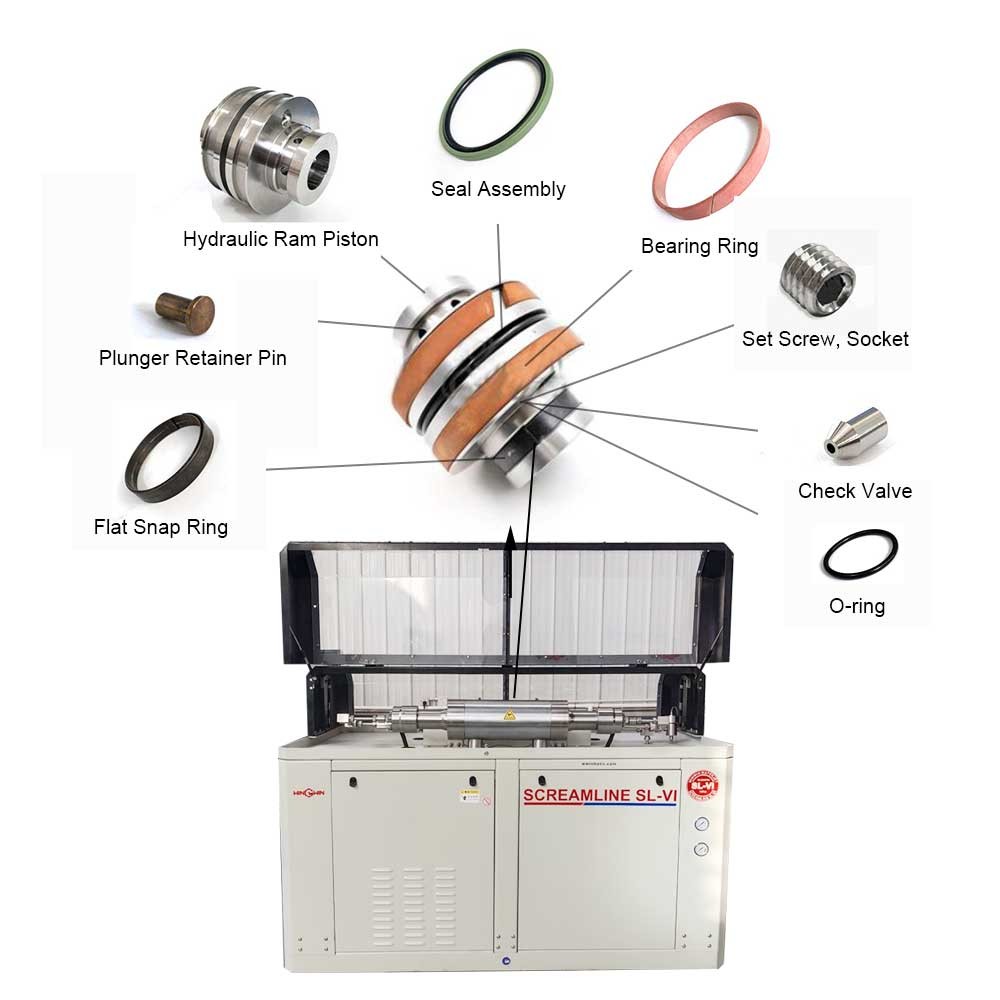
This component is a high-pressure seal kit, specifically a plunger or piston seal repair kit, designed for waterjet cutting systems. It contains a set of precision seals, O-rings, backup rings, and wear guides required to service a high-pressure cylinder, intensifier plunger, or similar reciprocating seal application. The "-3" suffix may indicate a specific version, revision, or application variant.
Applications:
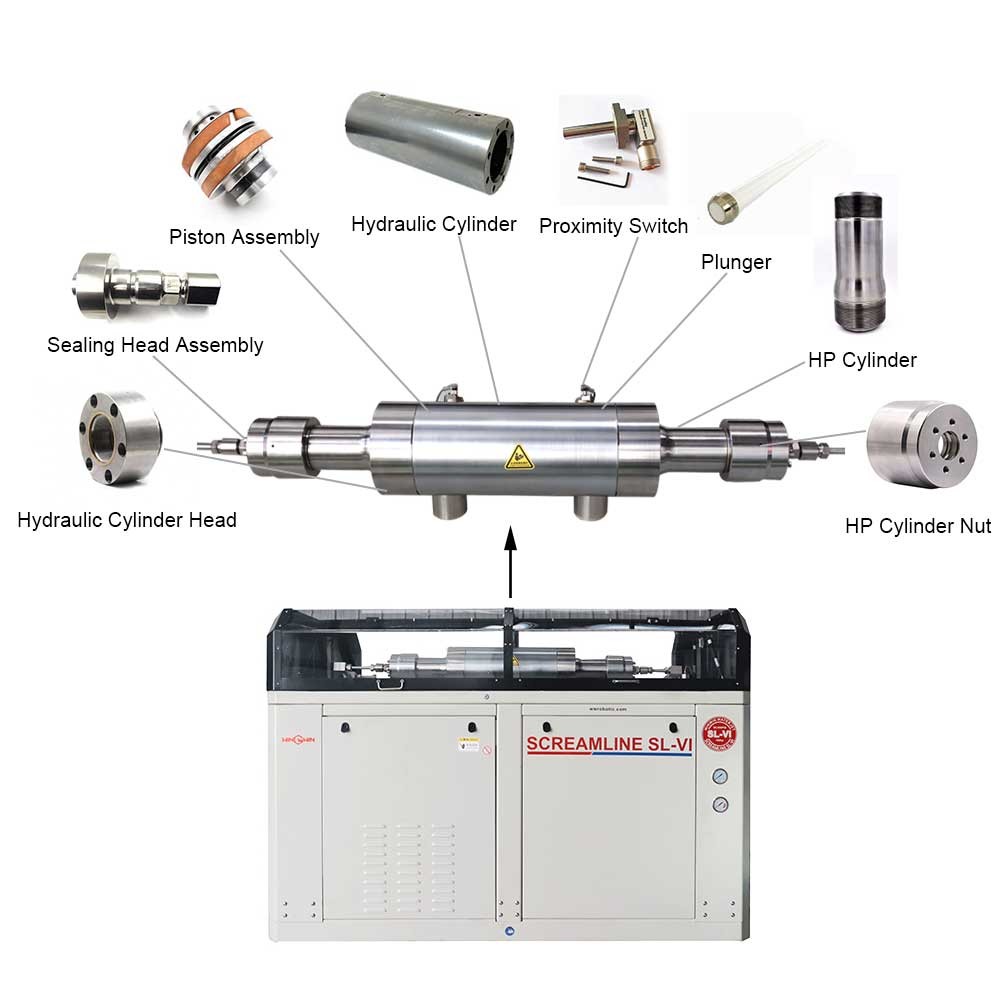
Used to rebuild or service the high-pressure plunger or piston seals within an intensifier pump or direct-drive pump head.
Suitable for both pure water and abrasive waterjet cutting systems requiring dynamic sealing under reciprocating motion.
Typically applied during scheduled preventive maintenance or when external water leakage or pressure drop is observed around the plunger area.
Features:
Contains all necessary sealing elements for a complete repair of a specific plunger or piston assembly.
Seals are manufactured from high-pressure-rated, wear-resistant materials such as polyurethane, PTFE, nylon, or proprietary thermoplastics.
Includes backup rings to prevent seal extrusion under ultra-high pressure (typically up to 60,000 psi or higher).
Precision-molded or machined to exact dimensions for proper fit and leak-free dynamic performance.
Kit format ensures correct replacement parts are available without sourcing individual seal sizes separately.
Maintenance:
Fully depressurize the waterjet system and disconnect power before beginning any disassembly.
Remove the plunger or piston assembly carefully, avoiding scratches or nicks on sealing surfaces.
Thoroughly clean the cylinder bore, plunger surface, and gland area before installing new seals.
Lubricate new seals with compatible high-pressure grease or assembly oil as specified by the equipment manufacturer.
Install all seals, backup rings, and wear guides in the correct sequence and orientation as shown in the service manual.
Replace every seal included in the kit even if some appear undamaged; partial replacement may lead to premature failure.
Use proper installation tools to avoid rolling, twisting, or cutting seals during assembly.
After reassembly, slowly pressurize the system and check for leaks or abnormal operation before returning to full cutting activity.
Record the date of seal replacement to track service intervals for future maintenance planning.
Product recommendation
-
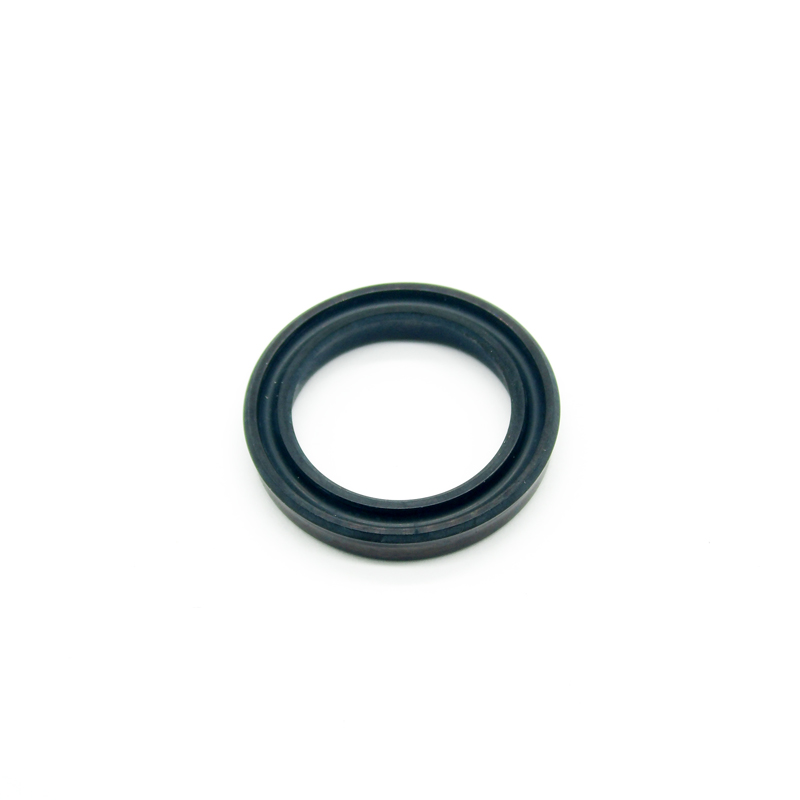
U-cap seal A-12500
-
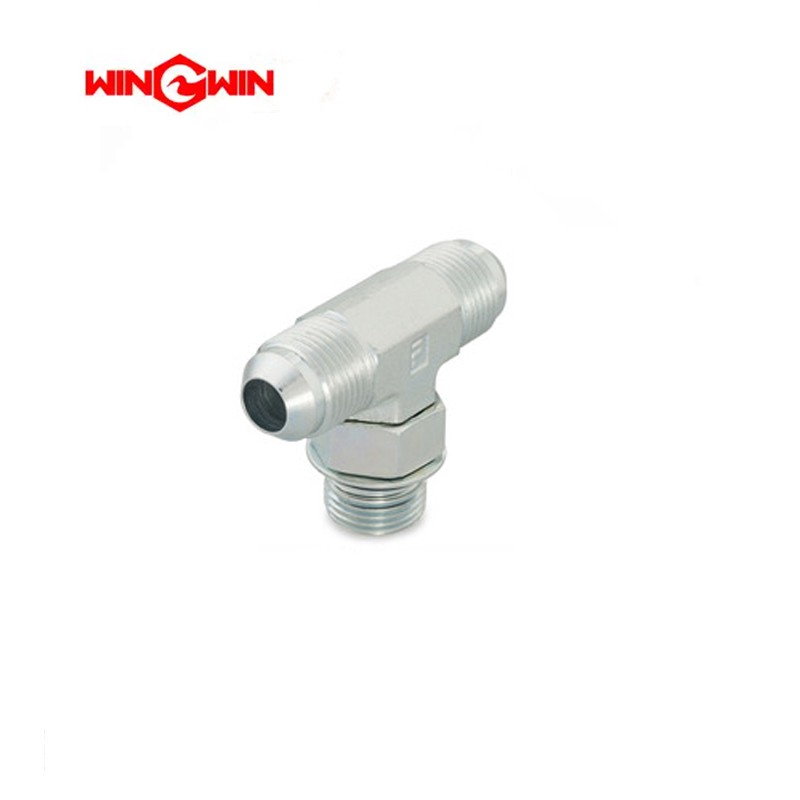
05071063 Tee, JIC/ORB, .75 x .75
-
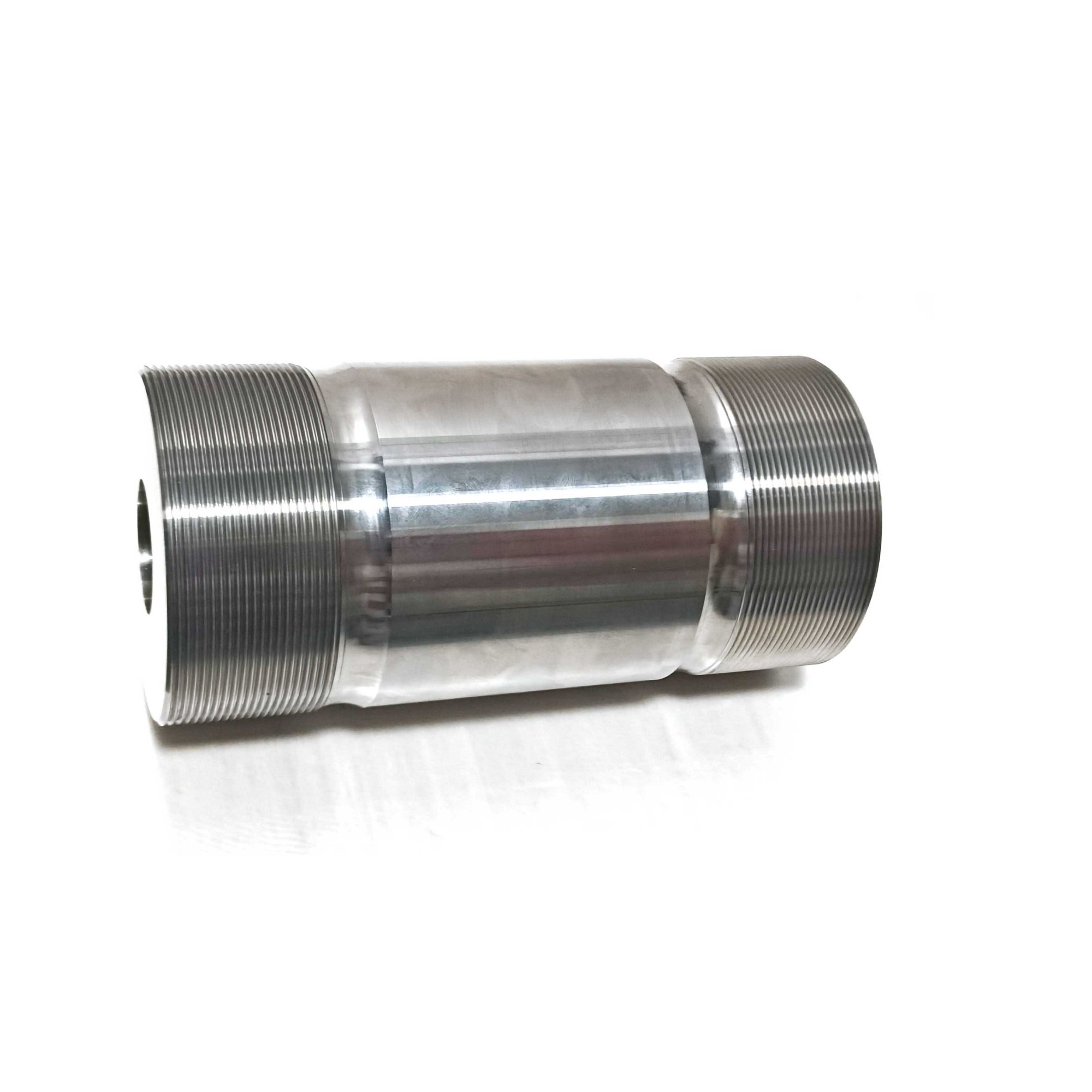
HP-cylinder-for-YONGDA.2176.3-1
-
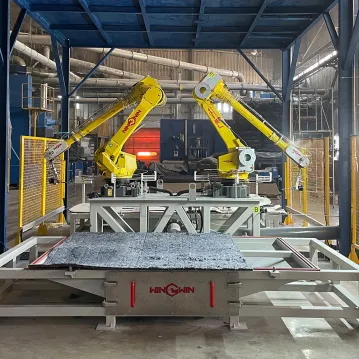
Fanuc Floor Mount Dual Robotic Waterjet Cutting
-
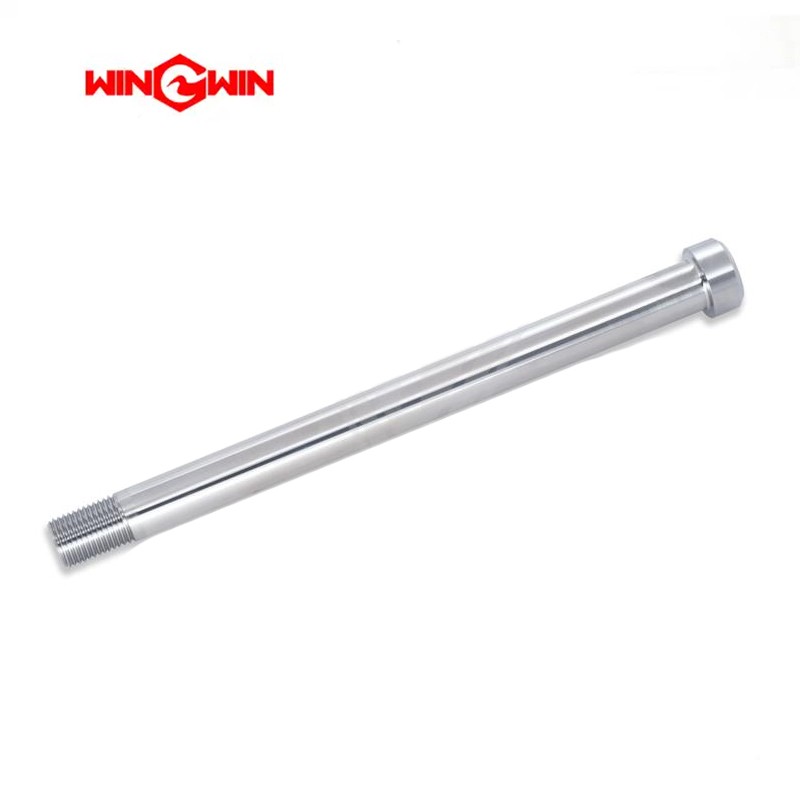
10138477 Actual in 2.65 (67.31) Nominal in 3.00 (76.20)
-
Waterjet robot Parts Coil 106671 Axis 2 IRB1600 Waterjet High pressure Coil
-
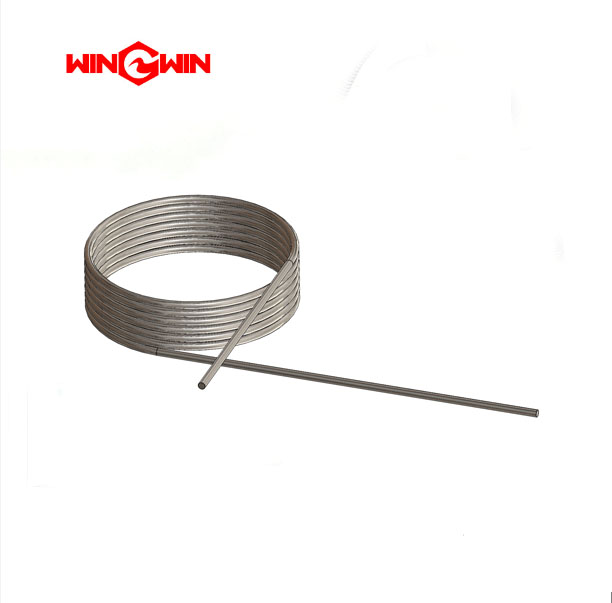
Waterjet parts Coil 104759 Axis 3 IRB1600 High pressure Tube
