
News
-
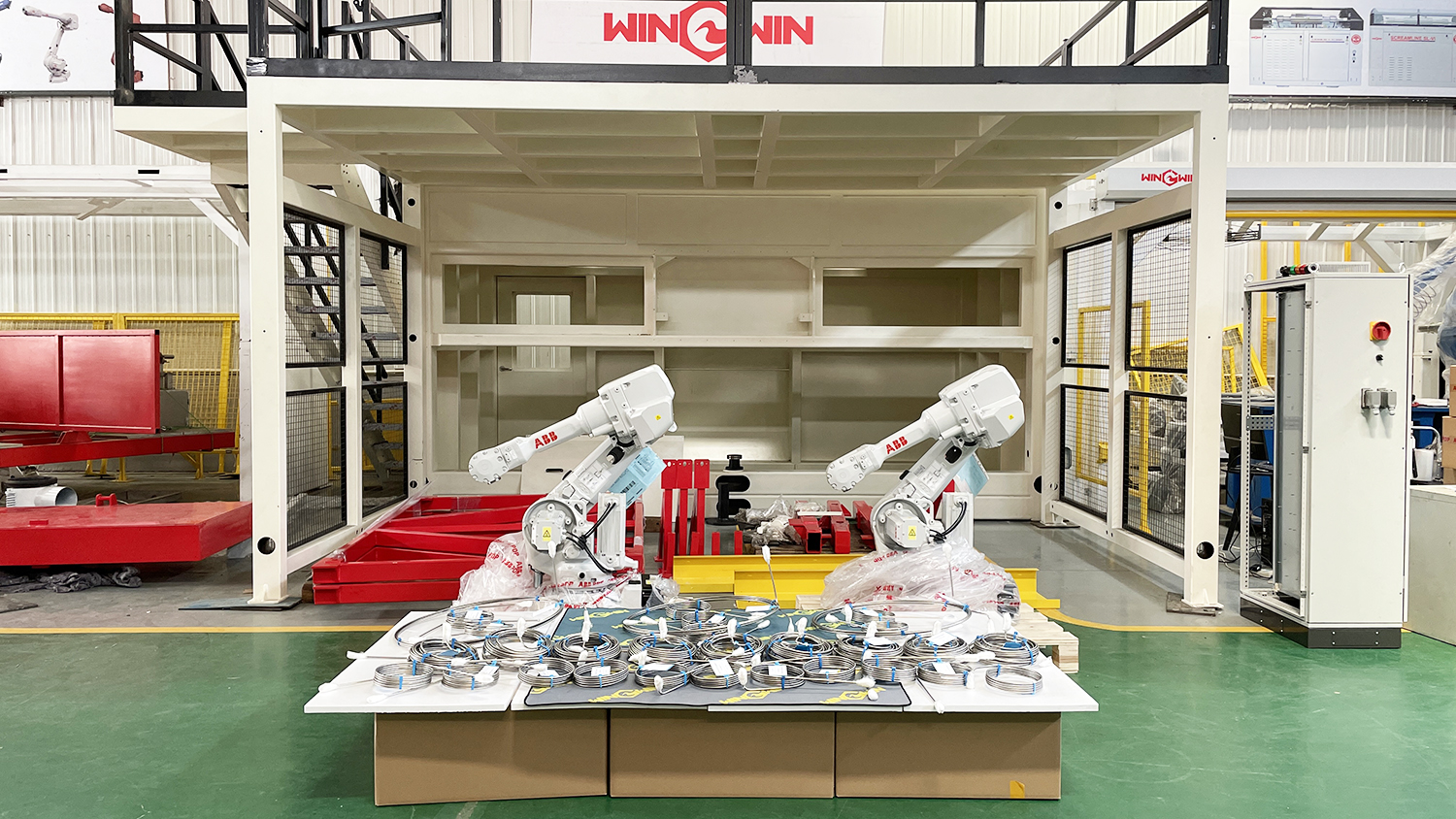
Manufactures High-Pressure Coiled Tubing for Robotic Waterjet Systems
Behind every high-performance robotic waterjet cutting system lies a network of critical components, and few are as important as the high-pressure coiled tubing that delivers water and abrasive to the cutting head. WinWin not only integrates complete robotic waterjet solutions but also manufactures these essential parts in its own factory, ensuring quality, reliability, and full control over the sRead more -
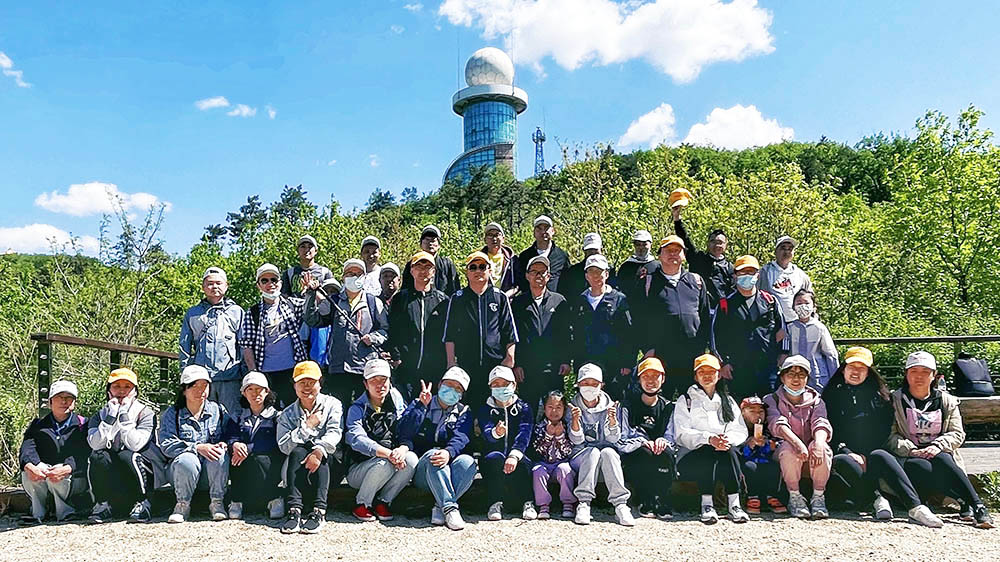
Reaching New Peaks Together
One bright and sunny weekend, with clear blue skies and a gentle breeze, the WinWin team decided to step away from the workshop and the hum of high-pressure pumps for a different kind of challenge. Instead of cutting steel, glass, or composites, the team set out to conquer a mountain. The goal was simple: enjoy nature, breathe fresh air, and spend quality time together outside the factory walls.Read more -
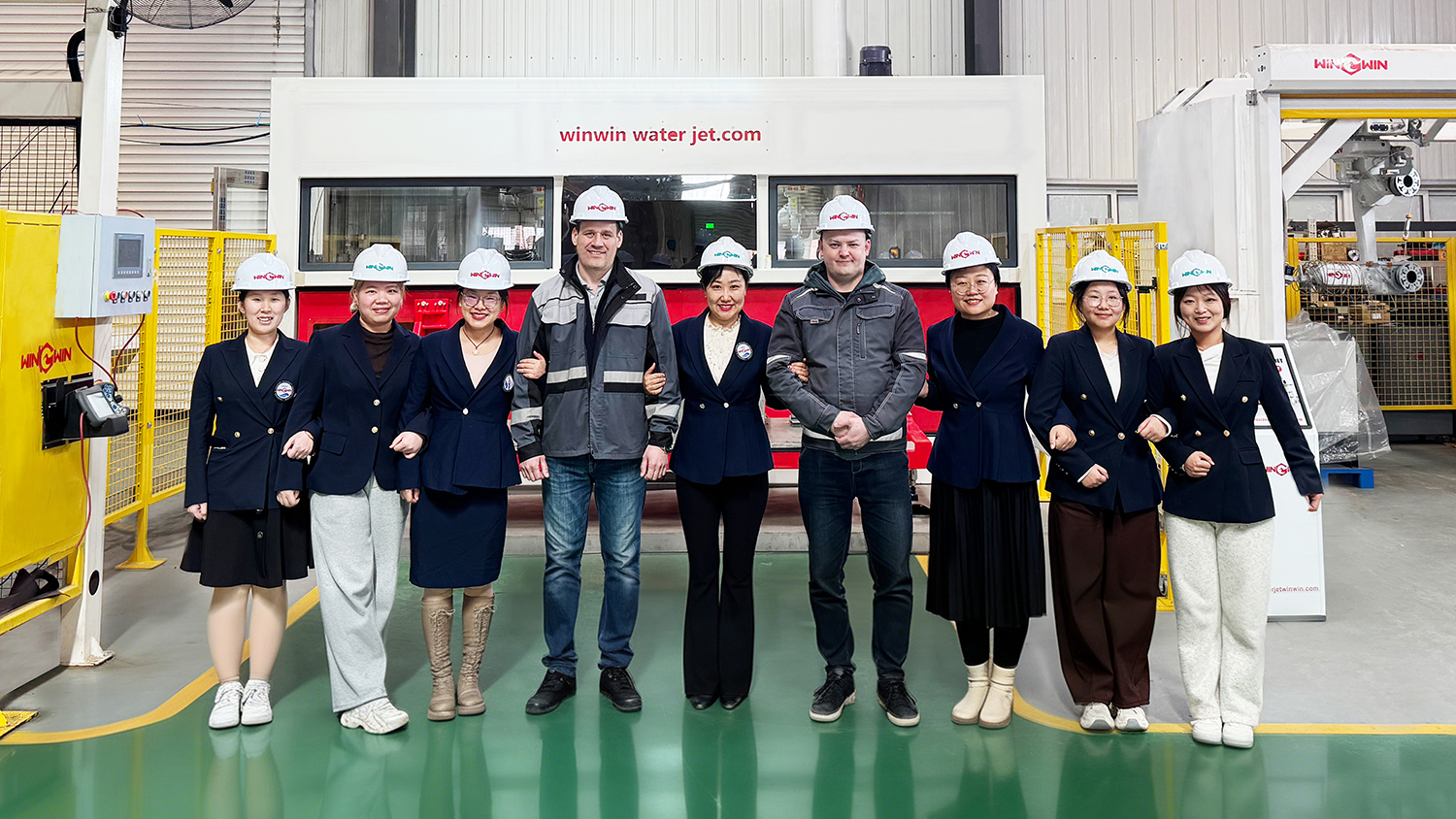
Successfully Hosts Customer Factory Acceptance for Robotic Waterjet System
WinWin recently welcomed a global automotive customer to its manufacturing facility for a formal factory acceptance test of an ABB robotic waterjet cutting system. The visit focused on validating the equipment’s performance for cutting automotive interior materials, a demanding application requiring precision, cleanliness, and repeatability.Read more -
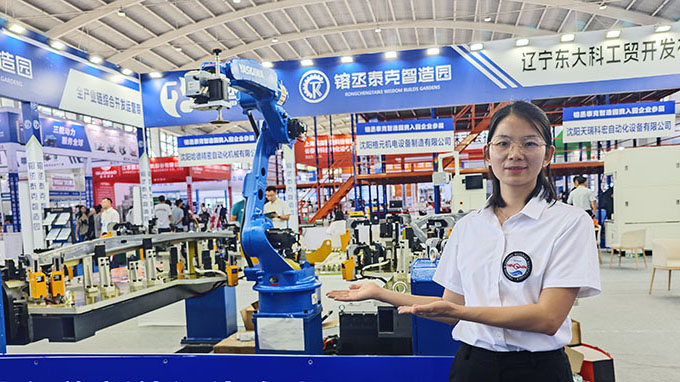
Advancing with Technology Through Global Exhibition Participation
In an era of rapid industrial transformation, WinWin recognizes that staying at the forefront of technology requires continuous learning and active engagement. That is why the company consistently participates in major technology exhibitions around the world, from petroleum and glass expos to automation and manufacturing shows. These events are not merely opportunities to display equipment; they aRead more -
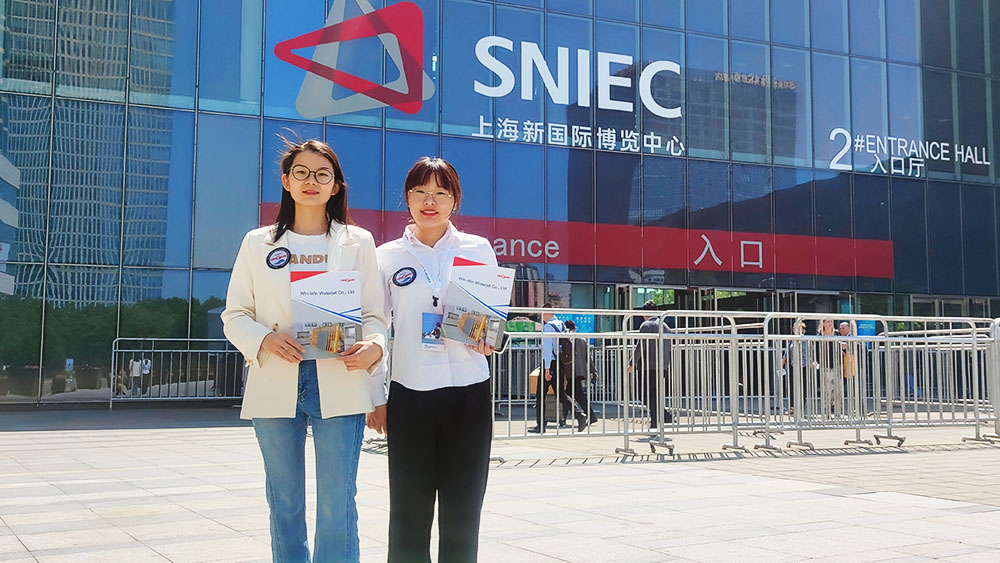
Exhibits Advanced Waterjet Cutting Equipment at Shanghai Glass Industry Expo
WinWin, a seasoned name in ultra-high-pressure waterjet technology, made a remarkable appearance at the recent Shanghai Glass Industry Exhibition. The event, which gathers glass manufacturers, equipment suppliers, and technical experts from around the world, served as an ideal stage for WinWin to introduce its precision cutting solutions tailored for the glass processing sector.Read more -
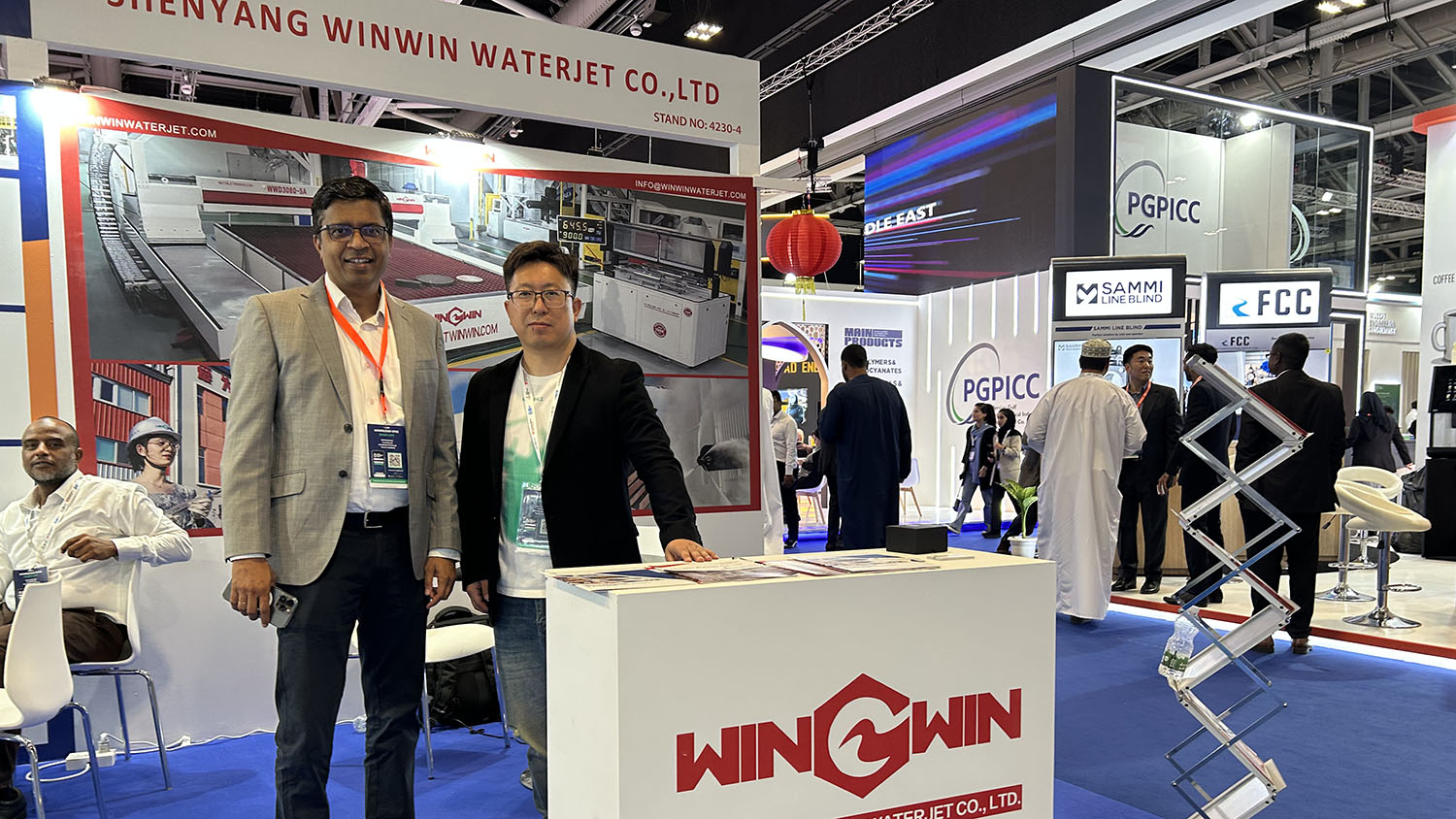
WinWin Showcases High-Pressure Waterjet Cleaning Solutions at Oman Petroleum Equipment Exhibition
WinWin, a leading manufacturer of high-pressure waterjet systems, made a strong impression at the recent Oman Petroleum Equipment Exhibition. The event, which draws key players from the oil and gas industry across the Middle East and beyond, provided an ideal platform for WinWin to demonstrate its advanced cleaning technology designed specifically for the energy sector.Read more
