
News
-
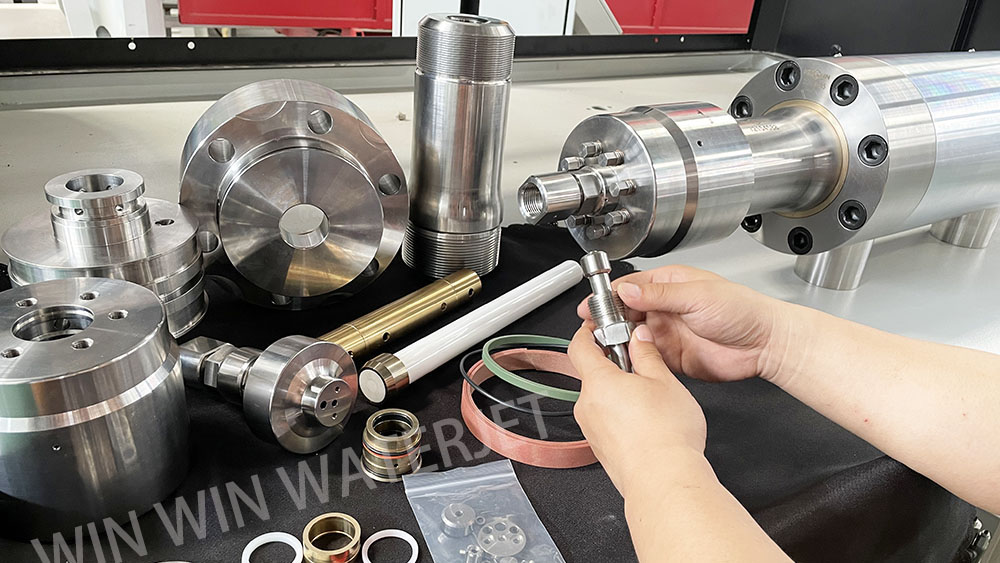
What are the hidden waterjet costs (disposal of garnet sludge, pump repair kits, water treatment)?
When budgeting for a waterjet system, the purchase price and garnet abrasive are obvious expenses. However, three major hidden costs—garnet sludge disposal, pump repair kits, and water treatment—can significantly impact long-term operating budgets. Below is a breakdown of each.Read more -
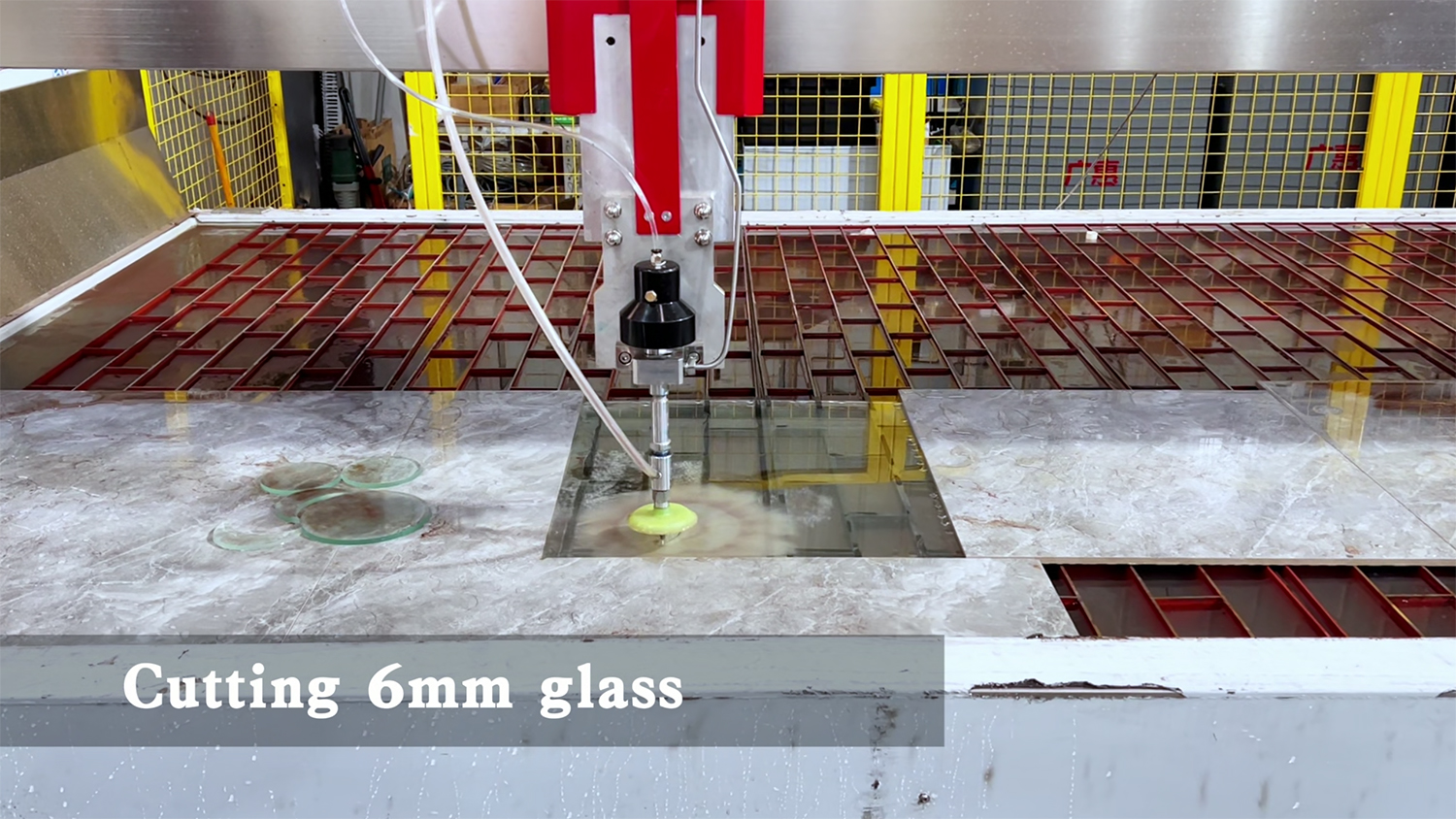
Does cutting underwater vs. above water affect noise, dust, and operating cost?
Cutting underwater versus above water significantly affects noise levels, dust generation, and operating cost in abrasive waterjet operations. Each method has distinct advantages and trade-offs depending on material type, thickness, and shop requirements.Read more -
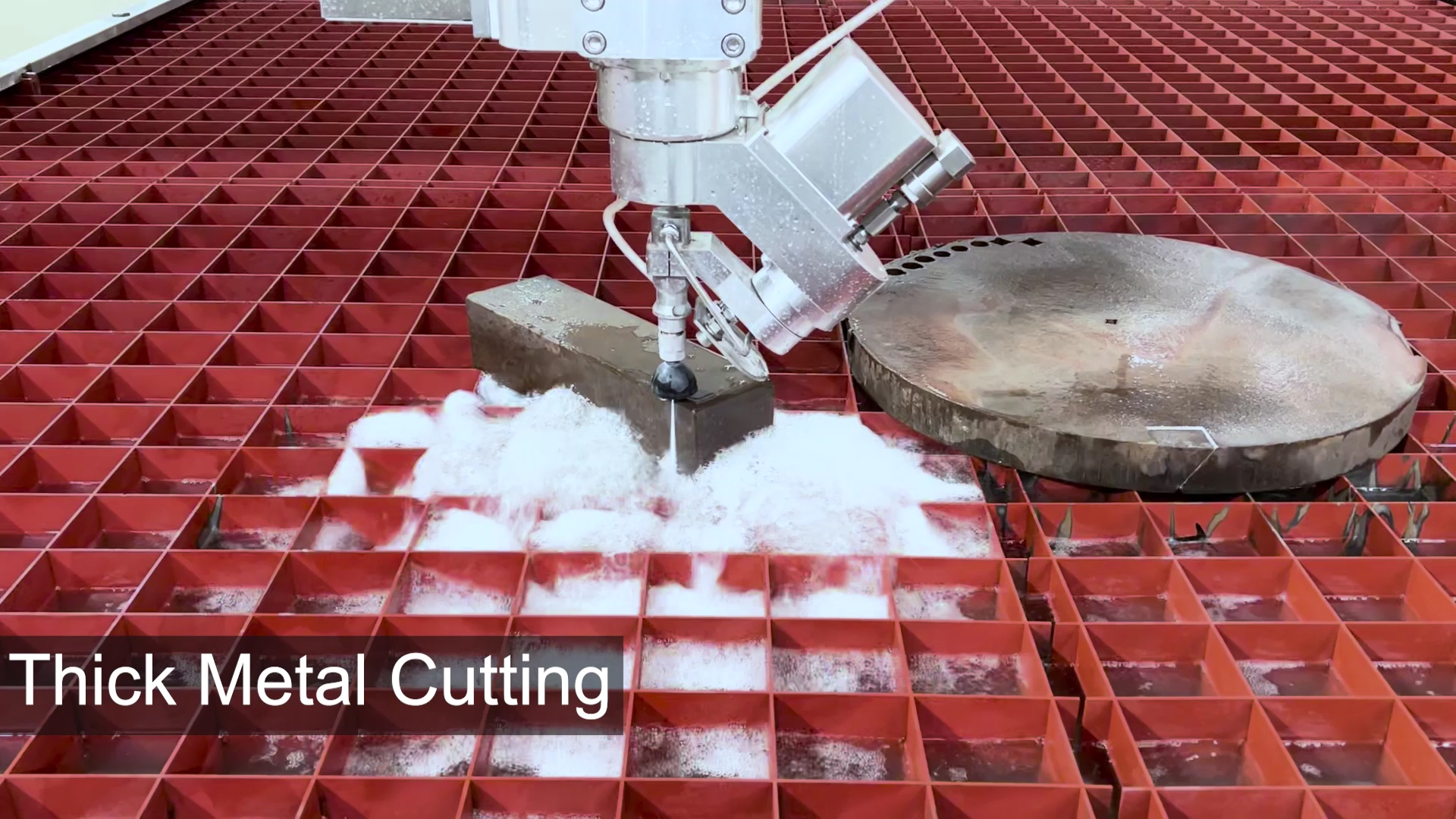
How to calculate optimal waterjet cutting speed vs. abrasive flow to minimize part cost?
To minimize the cost per part in abrasive waterjet cutting, the key is balancing cutting speed and abrasive flow rate. Cutting speed determines machine time and labor, while abrasive flow directly affects consumable expenses. The optimum point changes with material type, thickness, and local operating costs.Read more -
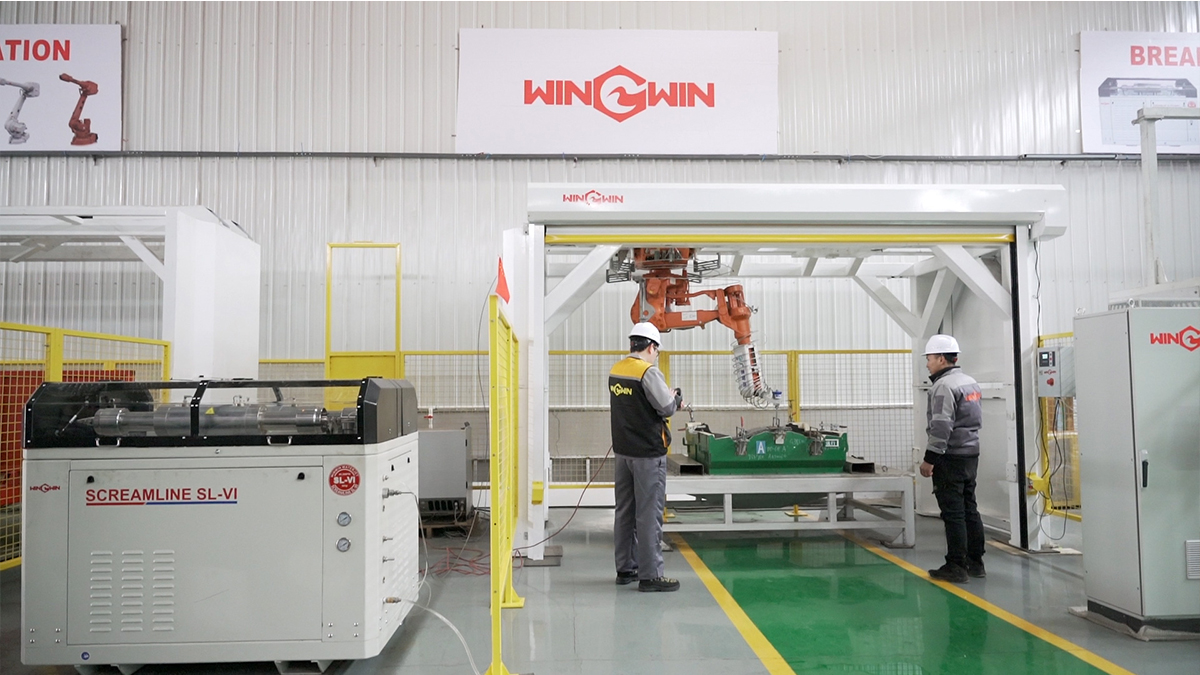
What is the payback period for upgrading from 60k psi to 90k psi waterjet intensifier pump?
The payback period for upgrading from a 60,000 psi (60k) to a 90,000 psi (90k) waterjet intensifier pump depends on cutting volume, material types, and operating costs. While the initial capital investment is significant, the return often comes from increased cutting speed and reduced abrasive consumption.Read more -
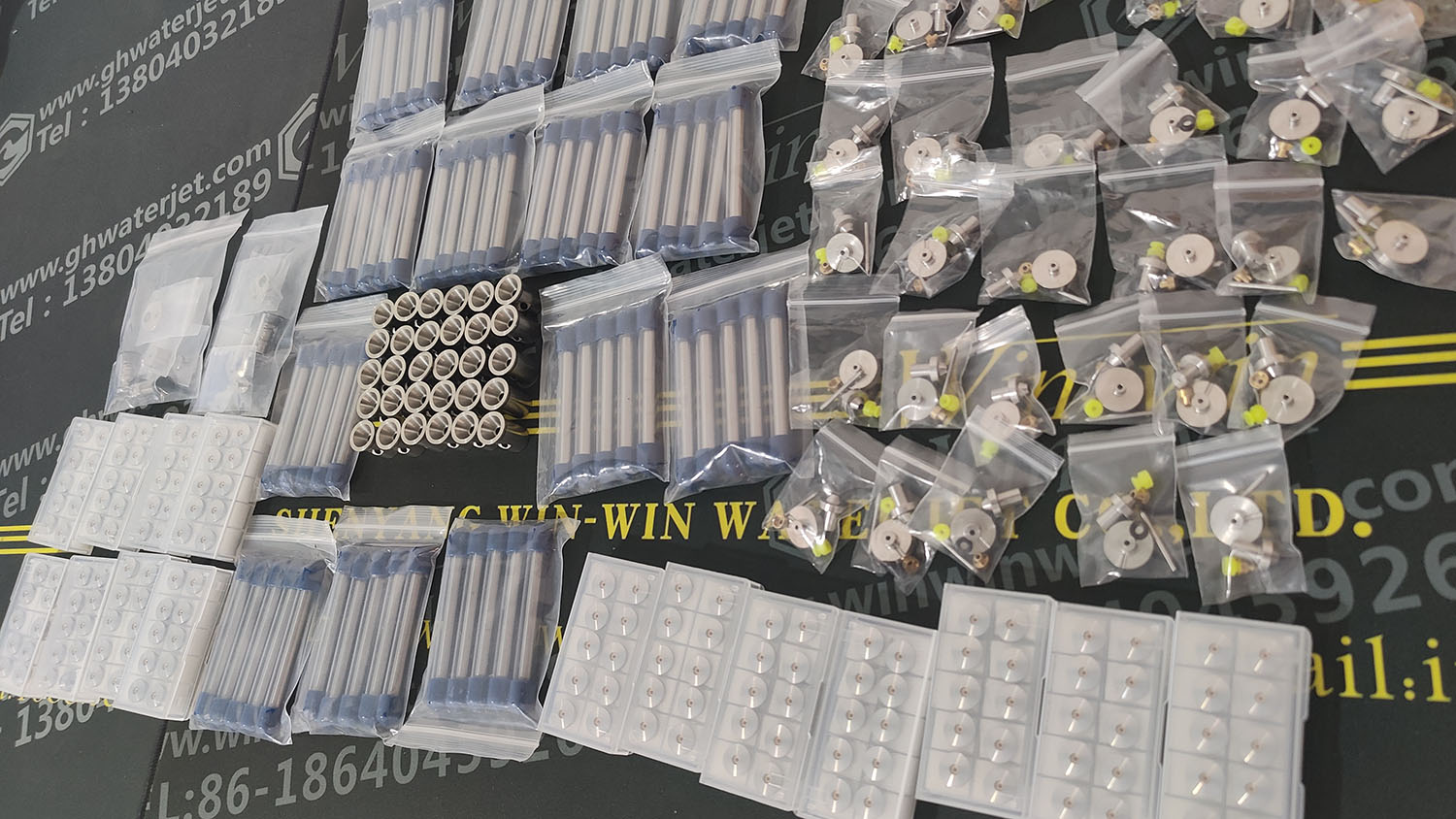
How does waterjet cutting head nozzle standoff distance affect operating cost and cut quality?
The standoff distance—the gap between the waterjet cutting head nozzle and the workpiece—has a significant influence on both operating cost and cut quality. Optimizing this parameter is essential for balancing economic efficiency with precision.Read more -
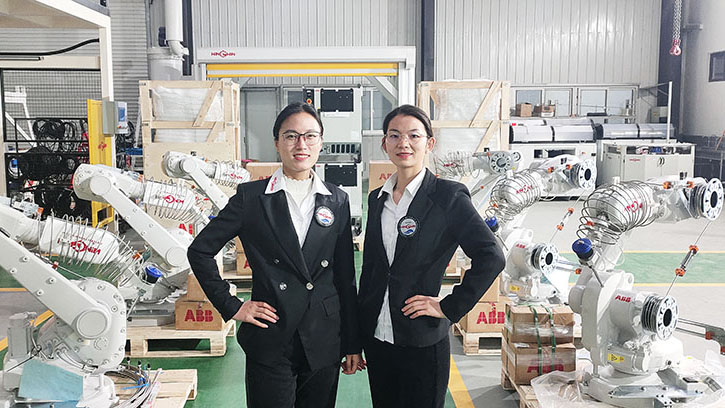
Delivers Complete Automation Solutions to Global Customers
In today's fast-paced industrial landscape, manufacturers around the world depend on reliable automation to stay competitive. WinWin has emerged as a trusted partner in this space, providing a full range of robotic solutions and components to customers across continents. Whether a factory needs a complete robotic arm or a single replacement part, WinWin delivers with speed, quality, and expertise.Read more
