301023-1-High-Load-Piston-60K-Intensifier-Pump-Parts
Product Name: High Load Piston Assembly (Part No. 301023-1)
Description:
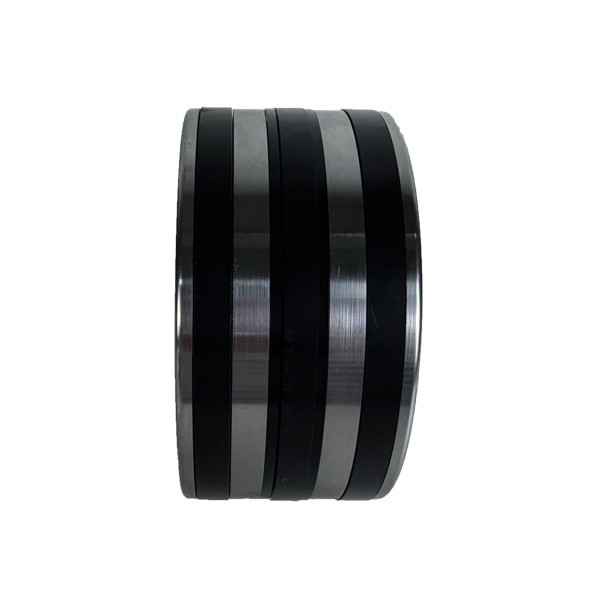
This component is a high-load hydraulic piston assembly specifically designed for 60,000 PSI (approximately 4,137 bar) waterjet intensifier pumps . It serves as the core reciprocating component within the hydraulic cylinder, converting hydraulic oil pressure into linear mechanical force that drives the high-pressure plungers to compress water for ultra-high-pressure cutting .
The "Hi-Load" designation indicates this piston incorporates advanced sealing technology and an extra sleeve on the center of the hydraulic piston for extended service life compared to standard pistons . The assembly includes the steel piston body and all internal sealing components. Alternative or cross-reference part numbers include 1-12349, TL-001013-1, and 20458869 . The component weight is approximately 2.587 kg .
The piston assembly is manufactured from steel through casting and turning processes . It is compatible with 60K waterjet intensifier systems and is a critical OEM replacement part for maintaining pump performance.
Applications:
Serves as the primary hydraulic piston within 60,000 PSI waterjet intensifier pumps
Converts hydraulic oil pressure into mechanical force to drive high-pressure plungers
Compatible with 15-150 GPM, 60k-rated waterjet intensifier systems
Used during major pump overhaul and piston seal replacement procedures
Features:
Hi-Load Design: Incorporates an extra sleeve on the center of the hydraulic piston for longer service life compared to standard pistons
Advanced Sealing System: Uses Teflon cap rings, nylon backup rings, and energizer rings for optimal sealing performance
Precision-Machined Steel Construction: Manufactured from high-quality steel through casting and turning processes
60,000 PSI Rating: Engineered for continuous ultra-high pressure operation
OEM Compatibility: Direct replacement for H2O Jet and compatible waterjet systems
Maintenance:
Piston Seal Assembly (Critical):
The center band on the Hi-Load piston consists of four parts: two nylon backup rings, an inner energizer ring, and an outer Teflon wear cap ring . When replacing seals, follow this procedure:
Carefully slide the inner energizer ring over the piston until it rests in the center slot
Heat the Teflon cap ring in 150°-200°F (65°-90°C) water for 2-3 minutes to soften it for installation
Use a mandrel and finger sleeve to stretch the Teflon cap over the piston; ensure it sits centered on top of the energizer ring
The Teflon cap must be resized using a ring compressor for at least three minutes so it will fit in the hydraulic cylinder
Install nylon backup rings on each side of the Teflon cap (curved inside edge faces the Teflon cap)
Sealing Ring Positioning:
The Teflon cap ring must sit centered on top of the energizer ring. Rotate the outer bearing bands so the end joints do not line up .
When to Replace (Failure Diagnosis):
Worn piston seals allowing excessive oil flow around the piston
A jammed piston or detached plunger
Excessive grooving on the hydraulic cylinder bore (indicative of piston seal wear)
Hydraulic oil leakage or pressure instability
Installation Guidelines:
Inspect the cylinder bore for scratches, burrs, and gouges before installation
Lubricate the cylinder and piston assembly with hydraulic oil
Use a ring compressor to contain wear bearings and T-seal assembly during insertion
Some pressure may be required to push the piston assembly into the cylinder bore
When reassembling the intensifier, use the intensifier assembly fixture to ensure end bells remain squared during assembly. Tighten tie rod nuts in a crossing pattern to 160 Nm (120 ft-lbs)
Always reinstall and tighten proximity switches after service; failure to do so will result in considerable hydraulic oil spraying
Safety Precautions:
Before any maintenance, fully depressurize the waterjet system, lock out the main power, bleed down all high-pressure lines, and follow lockout/tagout procedures
Use non-metallic tools during seal removal to prevent scratching or scoring of the piston
Do not scratch the bottom surface of the piston seal groove; scratches can result in hydraulic leaks