301018-2-electronic-pilot-shift
Product Name: Electronic Pilot Shift (Part No. 301018-2)
Description:
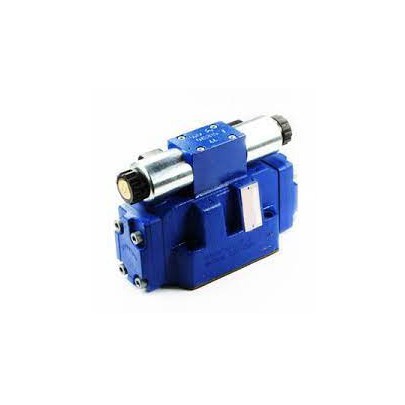
This component is an electronic pilot shift assembly for a waterjet intensifier pump . It is an electromechanical control unit that monitors the hydraulic pilot shift valve and sends electronic signals to the pump control system to regulate the position of the pilot valve . The pilot shift valve controls the flow of hydraulic fluid within the pump, which in turn directs the movement of the plungers and regulates the output water pressure .
The assembly typically includes a sensor that detects the position of the pilot shift valve, a wiring harness connecting the sensor to the pump control system, and a connector for integration . The electronic pilot shift is responsible for ensuring the intensifier piston reverses direction precisely at the end of each stroke, enabling continuous, high-cycle operation to generate the ultra-high-pressure water (up to 60,000 PSI / 4,137 bar) required for precision cutting . It is a component of the larger intensifier pump system and works in conjunction with the pump's Programmable Logic Controller (PLC) or integrated shift module .
Applications:
Regulates the pilot shift valve in 60,000 PSI waterjet intensifier pumps
Monitors hydraulic system parameters and sends correction signals to maintain consistent pressure output
Controls the directional shifting of the hydraulic piston for continuous pump cycling
Suitable for ultra-high pressure waterjet systems operating at 60,000 PSI and above
Features:
Position Sensing: Contains a sensor that detects the pilot shift valve position to ensure proper hydraulic flow control
Integrated Design: Includes the sensor element, wiring harness, and connector in a single assembly for straightforward installation
System Integration: Connects directly to the pump control system for automated regulation of the intensifier cycle
Critical Control Component: Essential for proper intensifier reversal, directly affecting system pressure stability and cutting performance
OEM Compatibility: Direct replacement part for waterjet intensifier systems
Maintenance:
Failure Diagnosis:
Intensifier Fails to Reverse: If the intensifier piston stalls at the end of its stroke and does not reverse direction, the electronic pilot shift may be malfunctioning
Unstable or Fluctuating Pressure: Inconsistent cutting pressure can indicate a faulty electronic pilot shift failing to regulate the pilot valve properly
Slow or Erratic Cycling: If the intensifier cycles irregularly or the piston moves slower in one direction, the pilot shift may be sending incorrect signals
Check Valve Interaction: Since the pilot shift controls the intensifier reversal, issues with check valves (e.g., overheating or pressure drop) can sometimes mimic or be related to pilot shift problems
Testing Procedures:
Signal Verification: Test the electronic pilot shift for proper electrical signal output using diagnostic tools specified in the equipment service manual
Sensor Check: Verify the position sensor within the assembly responds correctly to valve movement; replace the assembly if the sensor is unresponsive
Wiring Inspection: Check the harness and connector for damage, corrosion, or loose connections
Manual Operation Test: If the system fails to shift automatically, attempt to manually operate the directional valve to determine if the issue is electronic or mechanical
Replacement Guidelines:
Full Depressurization (Critical): Before any maintenance, place the main electrical disconnect in the OFF position, bleed down all high-pressure lines, shut off hydraulic power, and follow lockout/tagout procedures
Clean Work Environment: Perform replacement in a designated clean area to prevent contamination of the hydraulic system
Verify Component Compatibility: Before installation, confirm the electronic pilot shift matches the specific intensifier model and pump control system specifications
Reconnect All Wiring: Ensure all electrical connections are properly secured and the harness is routed away from moving parts
Post-Installation Testing: After replacement, run the system at low pressure and verify the intensifier shifts correctly before returning to full cutting operations