
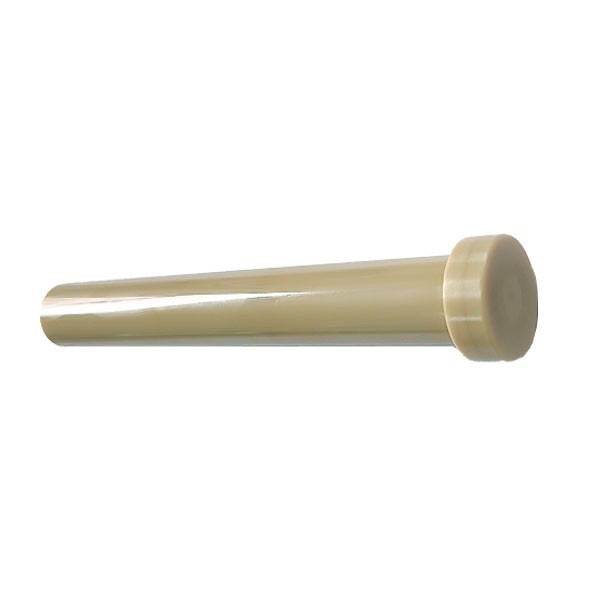
100013-3-Ceramic-Piston-Plunger-15-GPM-60k
Product Name: Ceramic Piston Plunger, 15 GPM, 60k (Part No. 100013-3)
Description:
This component is a high-precision ceramic plunger rod, specifically designed for 60,000 PSI (approximately 4,137 bar), 15 GPM waterjet intensifier pumps. It is a critical reciprocating component that moves within the high-pressure cylinder to compress water to ultra-high cutting pressures. The plunger is manufactured from advanced ceramic material such as zirconia (ZrO₂), offering exceptional hardness, wear resistance, corrosion resistance, and dimensional stability under extreme cycling conditions. The rod surface is processed to a mirror finish with extremely low surface roughness, minimizing friction against high-pressure seals and extending seal life.
Applications:
Serves as the primary pressure-generating reciprocating element within the high-pressure cylinder of 60,000 PSI, 15 GPM waterjet intensifier pumps
Installed in the high-pressure water section where linear motion compresses water to cutting pressures
Compatible with standard waterjet intensifier systems
Features:
Advanced Ceramic Material: Zirconia or alumina construction provides extreme hardness, high fracture toughness, and excellent corrosion resistance
Mirror Surface Finish: Precision-ground and polished surface minimizes friction on high-pressure seals, reducing seal wear and extending service life
High-Pressure Rating: Engineered for continuous operation at 60,000 PSI (4,137 bar) with 15 GPM flow capacity
High Fatigue Resistance: Designed to withstand rapid pressure cycling without fatigue failure
Low Friction: Lower coefficient of friction compared to steel plungers, reducing power consumption and heat buildup
Thermal Stability: Advanced stabilizers ensure long-term surface finish stability in high-temperature water environments
Maintenance:
Failure Diagnosis:
Pressure Drop: Inability to maintain rated cutting pressure indicates plunger surface wear or damage
Premature Seal Wear: Frequent seal failure indicates a worn or damaged plunger surface
Visible Surface Damage: Inspect for scoring, scratching, pitting, dullness, discoloration, or diameter reduction
External Water Leakage: Water weeping from the pump weep hole suggests plunger or seal failure
Handling Precautions (Critical):
Brittle Material: Ceramic plungers are hard but brittle. Handle with extreme care to avoid impact damage, chipping, or cracking. Dropping or striking against hard surfaces can cause catastrophic failure
Clean Environment: Handle and install in a clean area to prevent contamination of the precision surface
Inspection Protocol:
Surface Inspection: Before installation, inspect the plunger surface under good lighting for any defects. Rotate 360 degrees while viewing light reflection. Run a fingernail perpendicular to suspected flaws to determine severity
Dimensional Inspection: Measure plunger diameter at multiple points. Replace if out-of-round or wear exceeds limits
Installation Guidelines:
Proper Alignment: Ensure both ends of the hydraulic cylinder are aligned on the same plane. Improper alignment can subject the plunger to external forces, leading to premature failure
Lubrication: Apply high-pressure grease to the plunger surface before insertion to prevent dry start-up
Retainer Pin Verification: After installing retainer pins, verify all pins move freely and are equally extended to grip the plunger button
Seating Verification: Ensure the plunger is flush to the socket and fully seated
Replacement Criteria:
Replace immediately if any visible surface damage (scratches, scoring, pitting, chipping, cracking, dullness, discoloration) is detected
Replace if wear exceeds manufacturer-specified limits
Replace if the ceramic rod shows any signs of loosening from the metal end caps
Safety Precautions:
Full Depressurization: Always fully depressurize the waterjet system and follow lockout/tagout procedures before servicing
Product recommendation
-
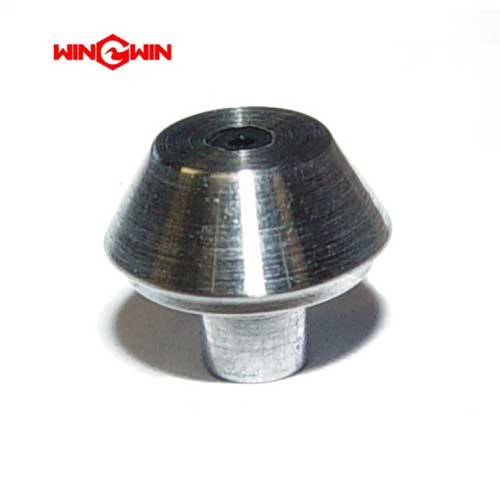
05077029 Autoline TM Diamond Orifice 0.010
-
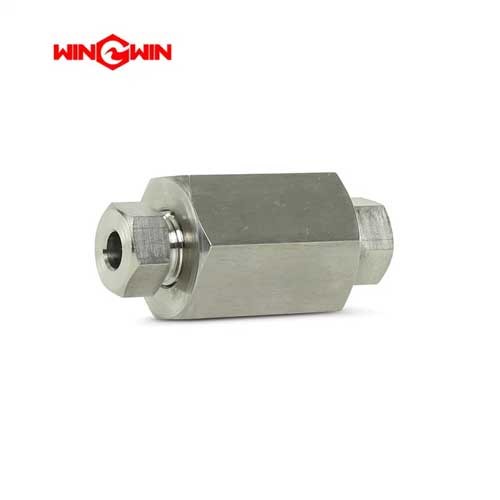
10079028 HP Coupling , .25 x .25, F/F High Pressure Fitting and Valve Assemblies
-
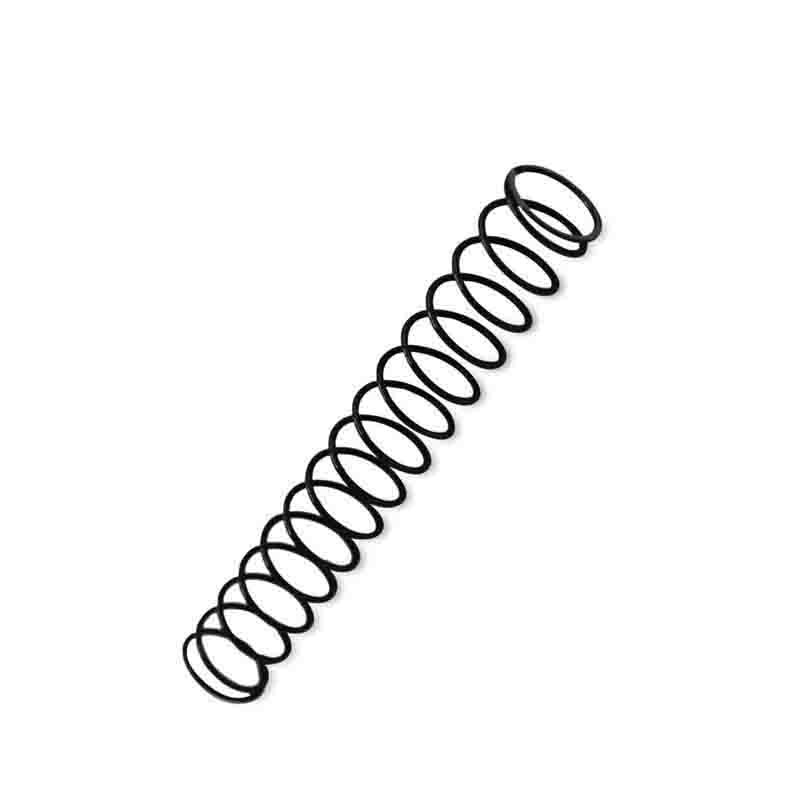
Helical-spring-CP020034-255
-
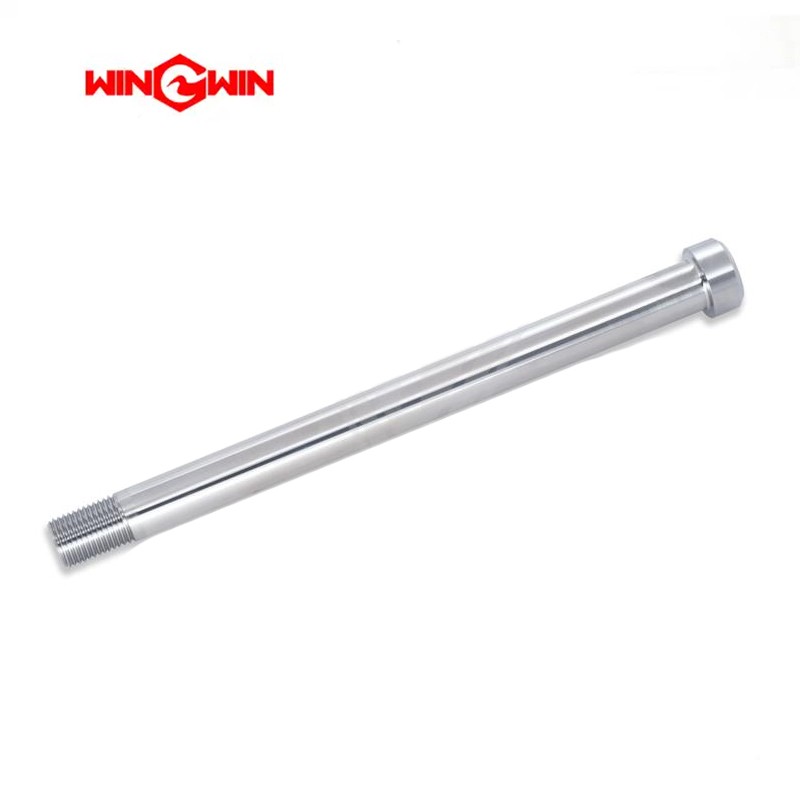
10138477 Actual in 2.65 (67.31) Nominal in 3.00 (76.20)
-
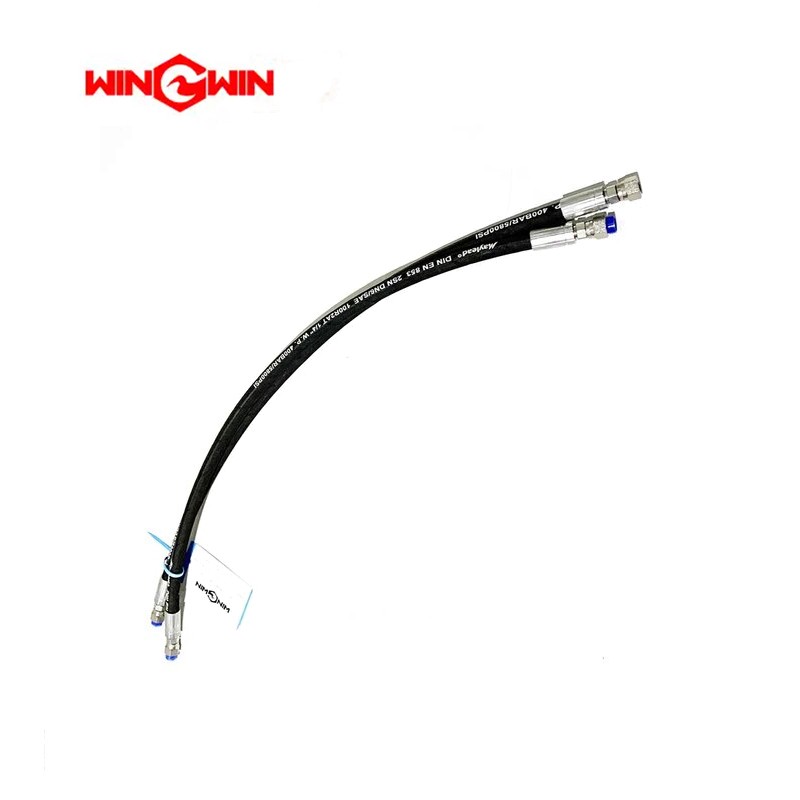
72159280 Hydraulic Hose Assembly, .25 x 24.0
-
support-ring-CP020032-562
-
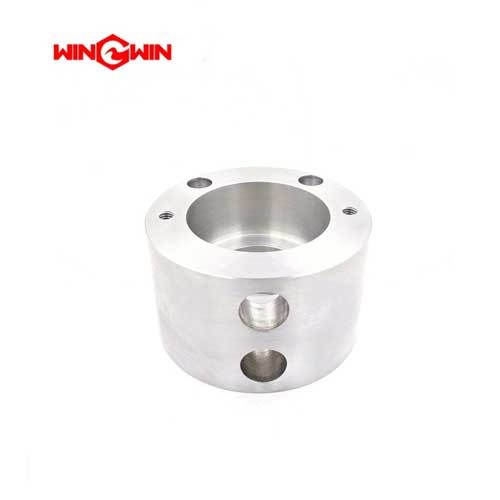
05049168-SL-VI-50HP-Waterjet-Part-Adapter-Water-Pump
