10075000-O-Ring
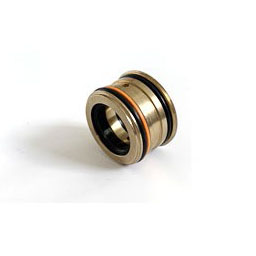
Product ID: 10075000 – O-Ring (Cylinder Head Seal)
Description:
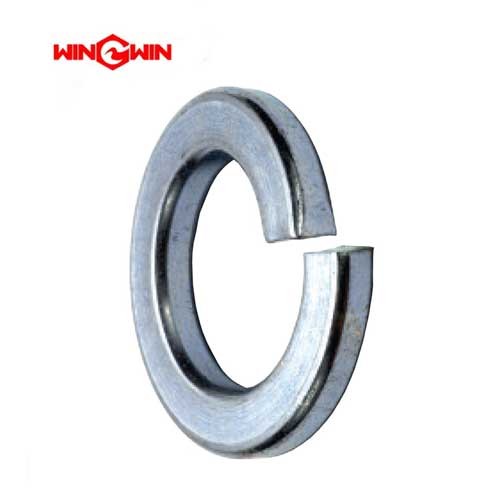
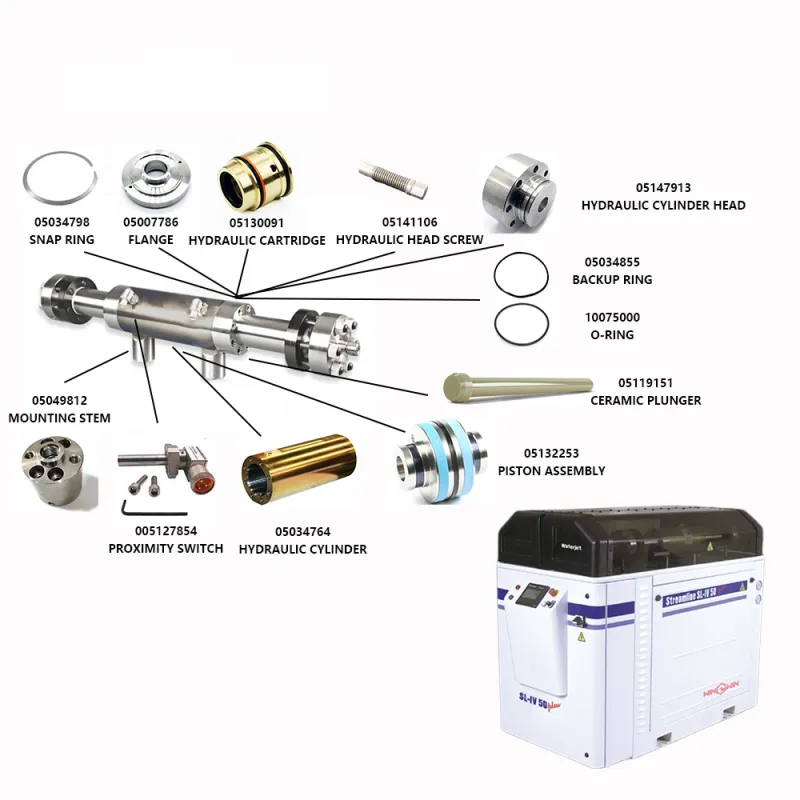
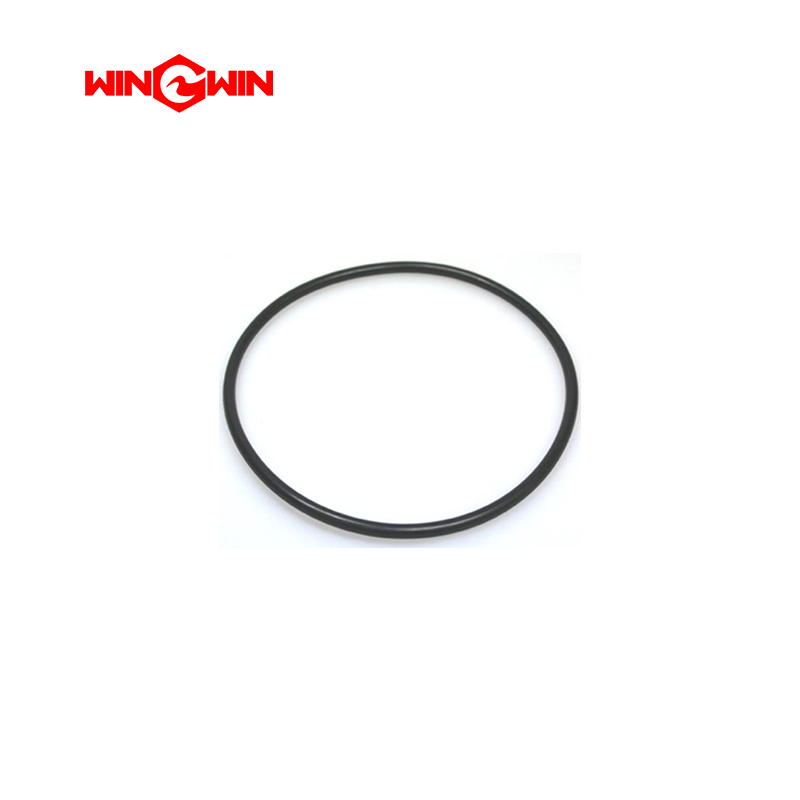
This component is a high-performance O-ring seal designed for critical sealing applications in waterjet intensifier pumps and hydraulic systems . It is a precision-molded elastomeric sealing ring that provides leak-free static sealing at the cylinder head interface between the hydraulic cylinder and the high-pressure cylinder assembly . The O-ring is a consumable sealing component rated for ultra-high pressure operation and is essential for maintaining system integrity and preventing hydraulic fluid or water leakage .
This O-ring is manufactured from premium-grade elastomer materials such as Viton (FKM) or Nitrile (NBR), offering excellent resistance to hydraulic oil, water, and temperature extremes . Alternative OEM part numbers include 1-11679-240, 5000026, and 103425 . The product has a very light weight of approximately 0.001 kg .
Applications:
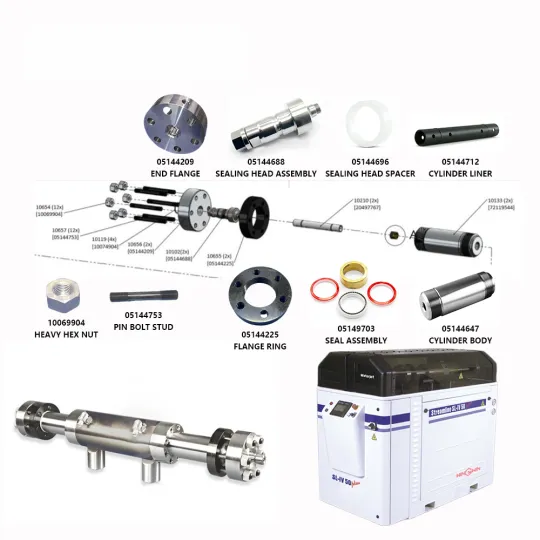
Used in waterjet intensifier pumps to seal the cylinder head connection between the hydraulic cylinder and the high-pressure cylinder assembly .
Installed at the hydraulic cylinder head interface to prevent hydraulic oil leakage from the low-pressure side of the intensifier .
Suitable for ultra-high pressure waterjet systems operating at 60,000 PSI to 90,000 PSI (approximately 4,137 bar to 6,200 bar) .
Compatible with KMT (SL-IV, SL-V series), FLOW, OMAX, WSI, Jet Edge, and other waterjet intensifier systems .
Features:
High-Pressure Rated: Withstands continuous operation under pressures up to 90,000 PSI (approximately 6,200 bar) without extrusion or failure .
Premium Elastomer Material: Manufactured from Viton (FKM) or Nitrile (NBR) rubber, providing excellent resistance to hydraulic oil, water, high temperatures, and chemical degradation .
Precision-Molded: Dimensionally stable and precision-manufactured to exact tolerances for perfect compatibility with OEM cylinder head grooves .
Leak-Free Sealing: Ensures reliable static sealing at cylinder head interfaces, preventing hydraulic oil leaks that could cause pressure loss and system contamination .
Cross-Brand Compatibility: Designed as a universal sealing component compatible with multiple waterjet intensifier pump brands including KMT, FLOW, OMAX, WSI, and Jet Edge .
Lightweight: Approximate weight of 0.001 kg for easy handling during maintenance .
Maintenance:
Critical Wear Component: O-rings are consumable sealing elements that undergo continuous compression and exposure to hydraulic fluids, water, and temperature cycling. They require periodic replacement as part of preventive maintenance .
Inspection: During pump overhaul or cylinder head service, inspect the O-ring for signs of aging, hardening, cracking, deformation, or extrusion damage. Even minor damage warrants replacement .
Leak Diagnosis: Hydraulic oil leakage from the cylinder head area indicates worn or damaged O-rings. Inspect and replace seals immediately to prevent further system contamination .
Replacement Criteria: Replace the O-ring if any visible damage, hardening, loss of elasticity, or deformation is detected. Do not reuse an O-ring that has been compressed and then removed .
Surface Preparation: Before installation, ensure the O-ring groove and mating sealing surfaces are clean, dry, and free from debris, old seal residue, corrosion, or scratches. Contaminated surfaces will compromise sealing .
Lubrication: Apply a light coating of manufacturer-recommended hydraulic oil or O-ring lubricant to the O-ring during installation to prevent pinching, rolling, or damage during assembly.
Proper Seating: Ensure the O-ring is correctly seated in its groove without twisting or pinching before tightening the cylinder head bolts.
Torque Compliance: When reinstalling the cylinder head, tighten mounting bolts to the specific torque values listed in the equipment service manual using a staggered (cross) tightening pattern to ensure even O-ring compression and prevent leaks .
Full Depressurization: Always fully depressurize both the hydraulic system and the high-pressure water system before removing or replacing the O-ring. Follow lockout/tagout procedures.
Preventive Replacement: Establish a scheduled preventive maintenance program for O-ring replacement based on operating hours rather than waiting for failure to avoid unplanned downtime .
Simultaneous Inspection: When replacing the cylinder head O-ring, inspect related components including the cylinder head sealing surface, cylinder bore, and other seals for wear or damage