
05116595 Gland Nut
Product ID: 05116595 – Gland Nut
Description:
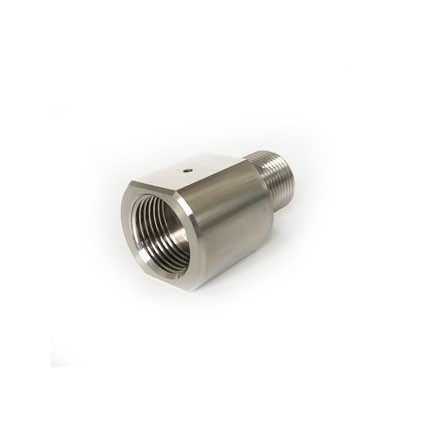
This component is a gland nut designed for high-pressure waterjet cutting systems. It is a threaded fastener used to compress and retain sealing components, such as O-rings, backup rings, or packing seals, within a valve body, cylinder, or high-pressure fitting.
Applications:
Used in waterjet cutting machines to secure and seal high-pressure components such as intensifier cylinders, check valves, shut-off valves, or plunger assemblies.
Installed over a gland or seal carrier; tightening the gland nut compresses the seals against a mating surface to create a high-pressure dynamic or static seal.
Suitable for both pure water and abrasive waterjet systems where leak-proof operation under extreme pressure is required.
Features:
Constructed from high-strength, corrosion-resistant material such as stainless steel or hardened alloy steel to withstand repeated tightening and extreme internal pressures.
Precision-machined threads ensure proper fit with corresponding female threads on valve bodies or cylinders.
Designed with appropriate wrench flats or hex geometry for reliable torquing during assembly and maintenance.
Engineered to apply uniform compression to underlying seals, preventing extrusion and blowout under ultra-high pressure (typically up to 60,000 psi or higher).
Resists galling and thread deformation even after multiple installation and removal cycles.
Maintenance:
Before removing a gland nut, fully depressurize the waterjet system and follow lockout/tagout procedures.
Clean the gland nut threads and mating surfaces thoroughly during each service to remove debris, old seal material, or corrosion.
Inspect threads for signs of damage, galling, stretching, or corrosion; replace the gland nut if any deformation is found.
Check the wrench flats or hex corners for rounding; damaged driving surfaces can lead to improper torque application.
Apply a thin layer of high-pressure compatible lubricant to threads before reassembly as specified by the equipment manufacturer.
Tighten the gland nut to the specific torque value listed in the equipment service manual; over-tightening may damage seals or threads, while under-tightening may cause leaks.
Replace the gland nut if it shows any signs of cracking, stress corrosion, or previous overtightening.
When replacing seals, always use a new gland nut if recommended by the manufacturer, or inspect the existing nut thoroughly before reuse.
Product recommendation
-
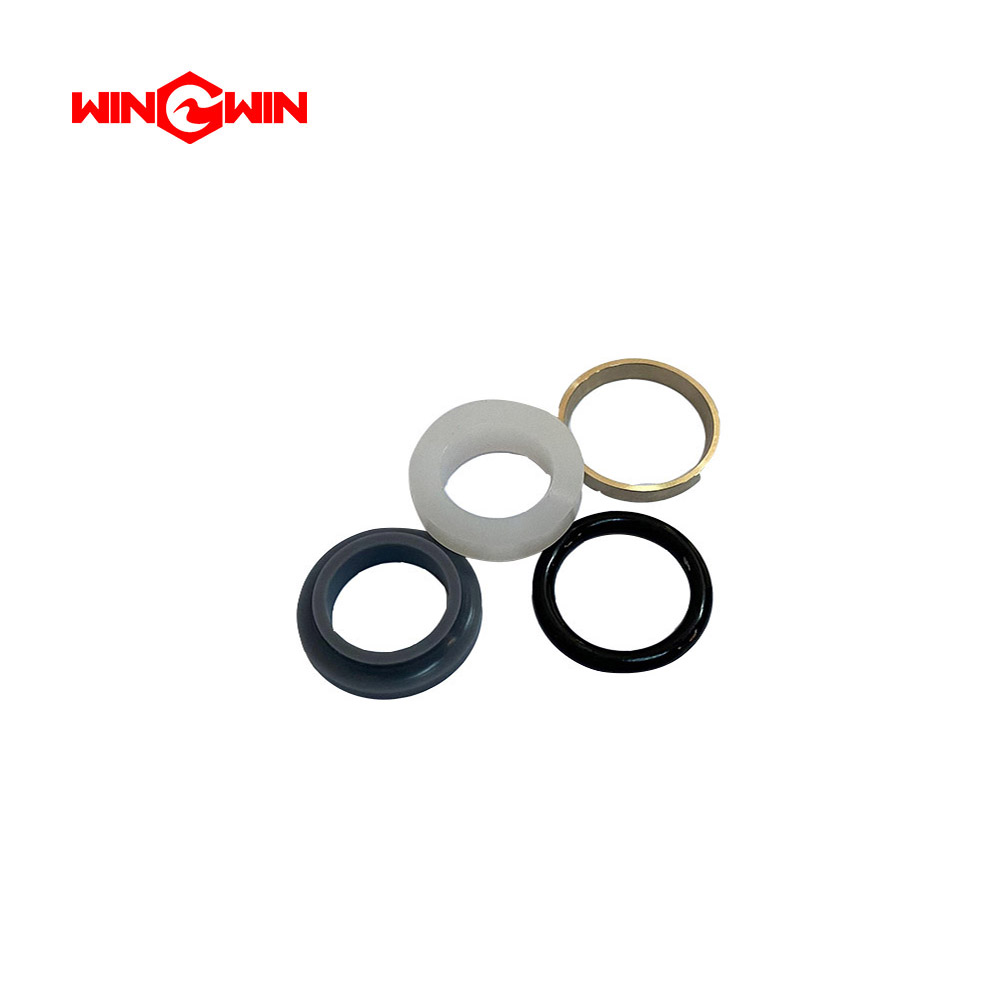
11-012450 – UHDE Waterjet Pump Seal
-
10178978-Valve-seal-assembly-KMT-Waterjet-part.1743.1
-
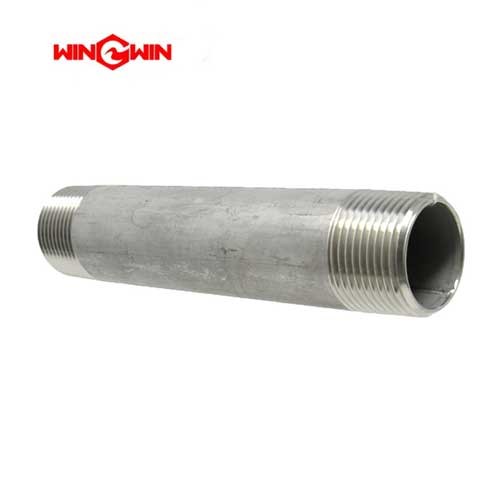
49838386 Pipe Nipple, .75 x 4.0
-
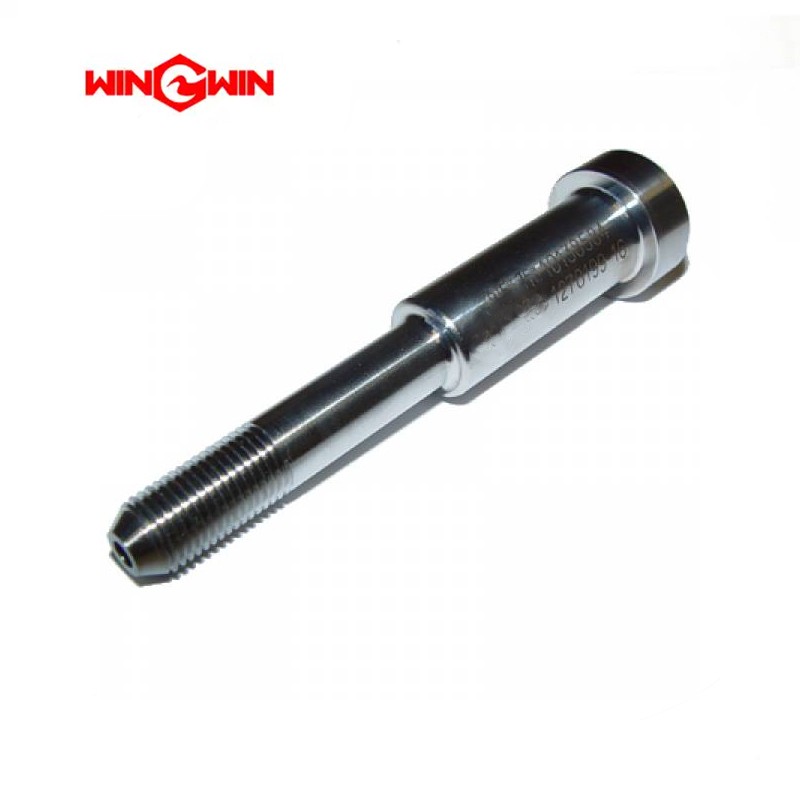
10138584 Actual in 3.64 (92.46) Nominal in 4.00 (101.60)
-
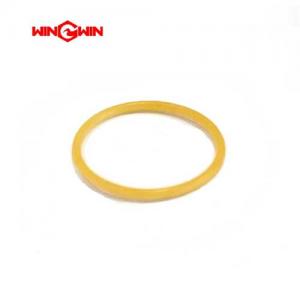
05129481 O-Ring, 1.0 x 1.13 x .06 WaterJet Cutting Machine
-
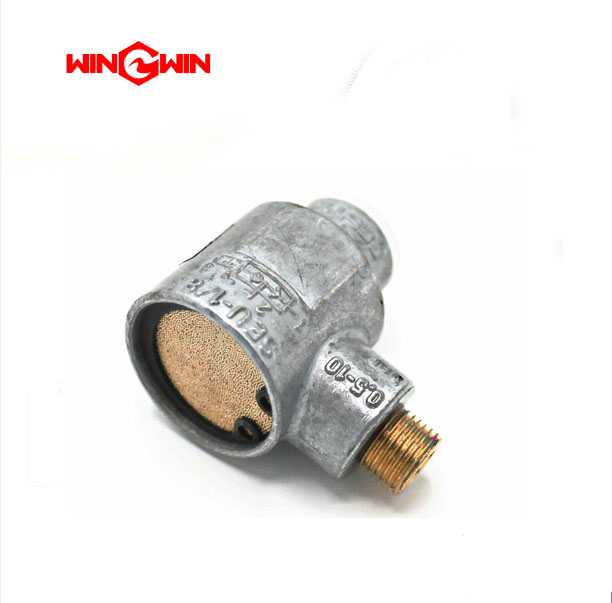
10277 AIR QUICK EXHAUST VALVE, 1 8 Waterjet robot parts
-
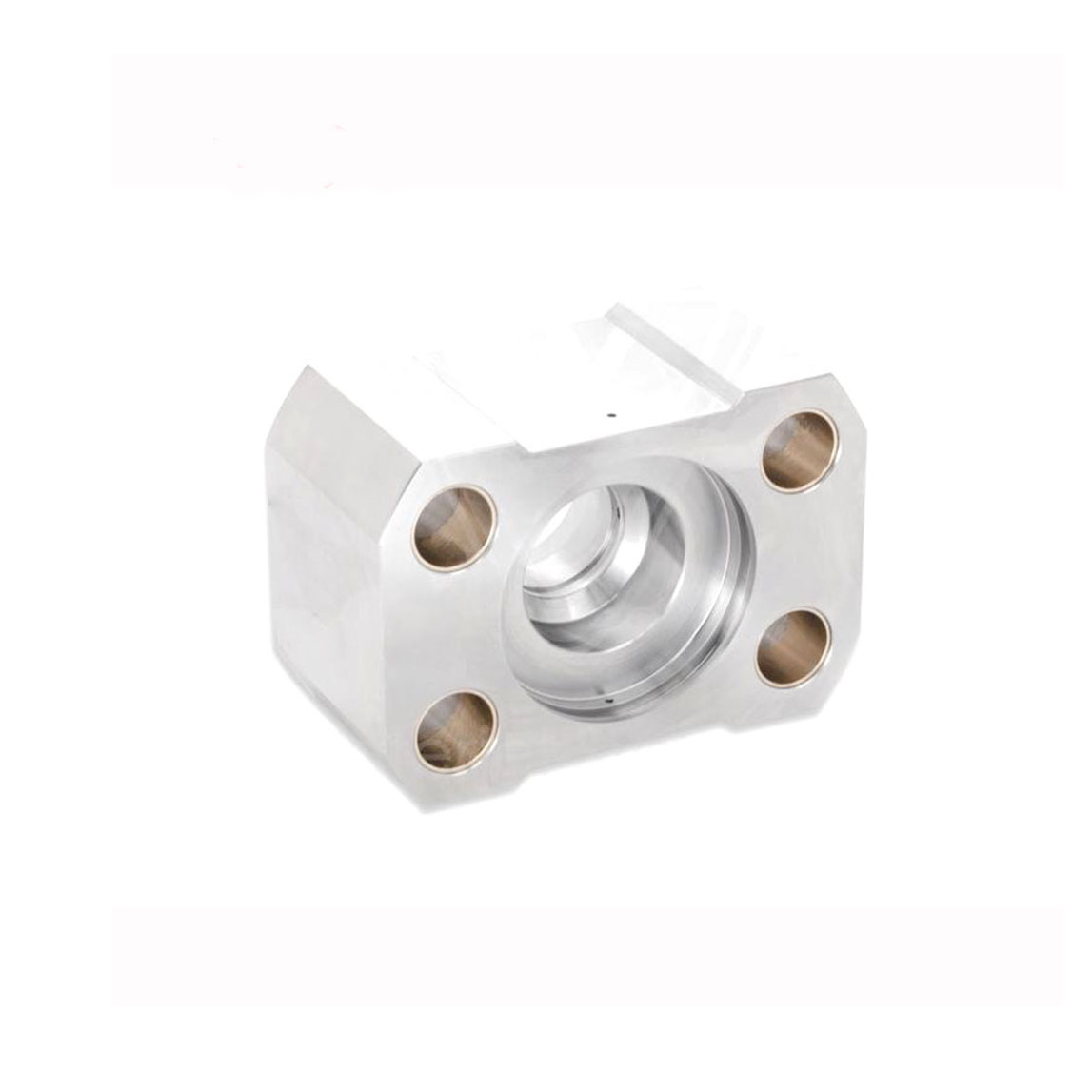
72178493 Flange Assembly
