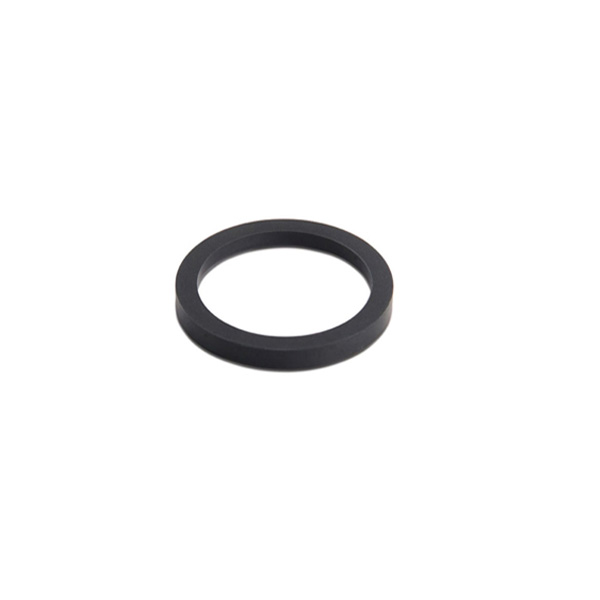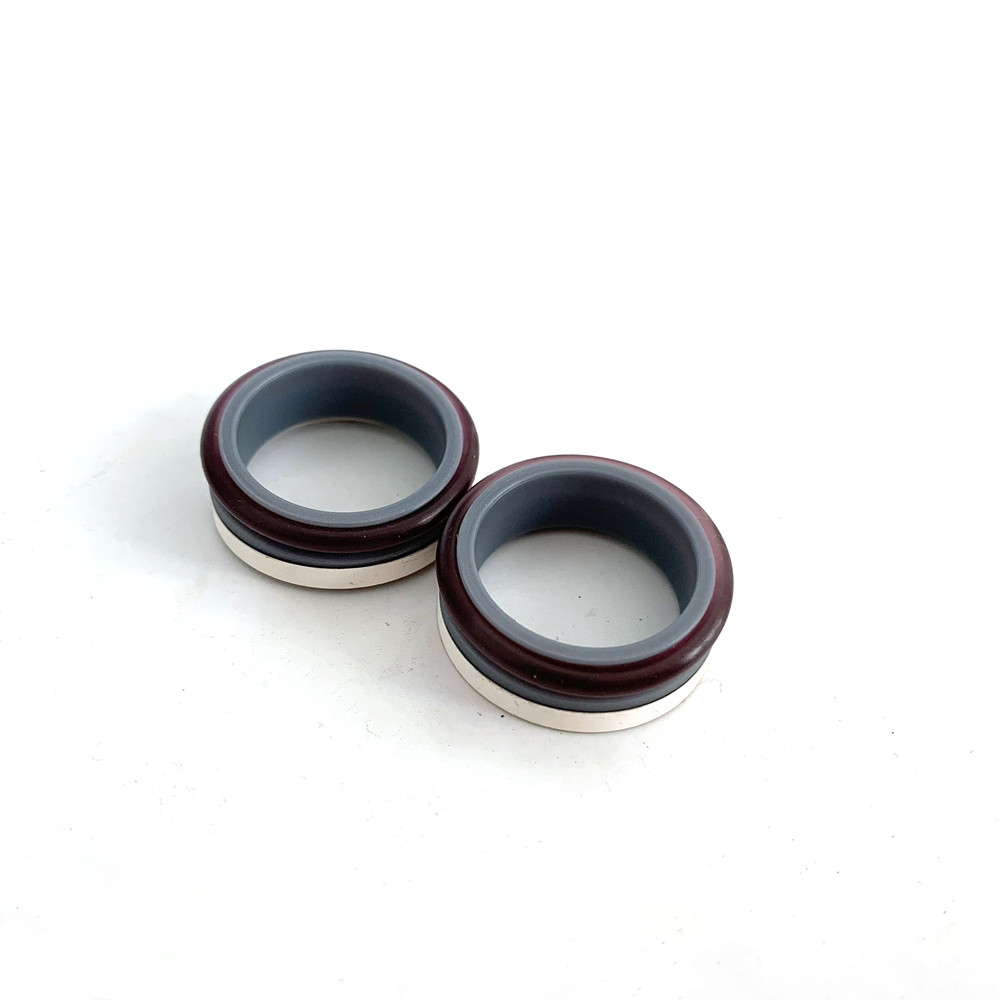
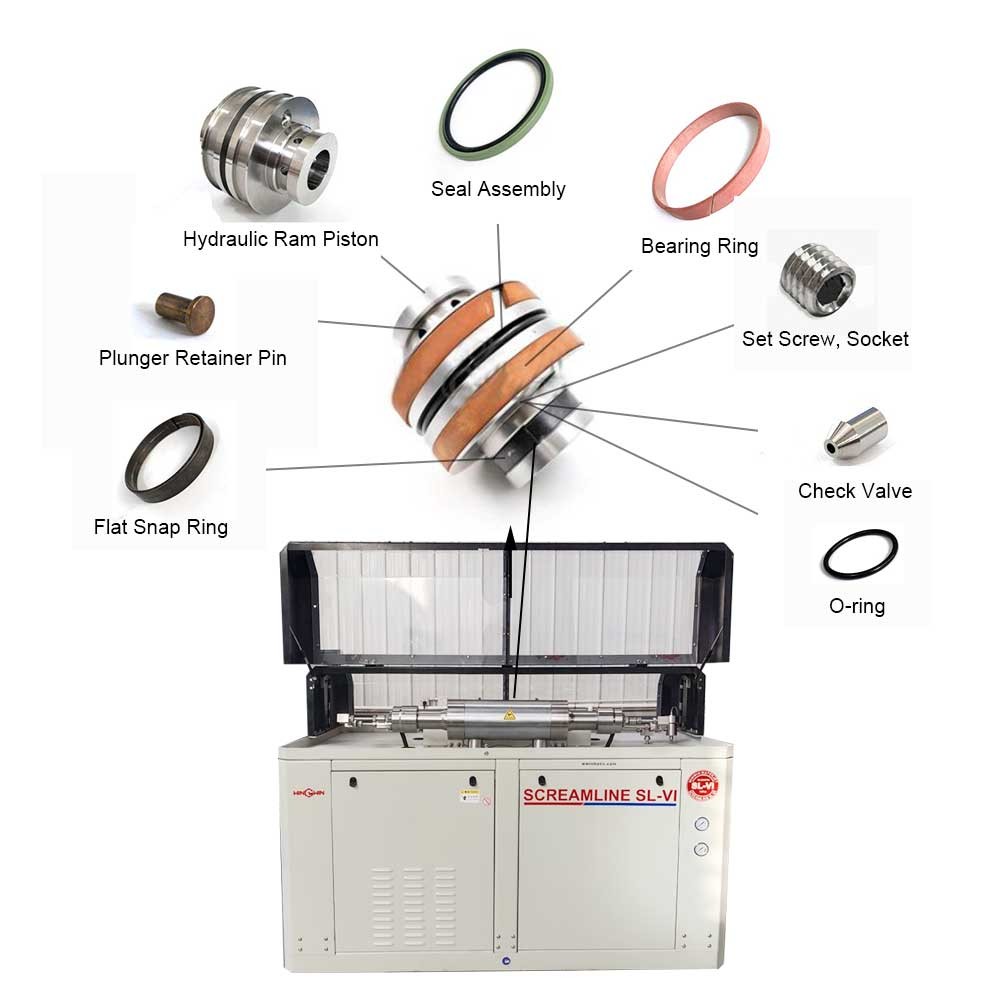
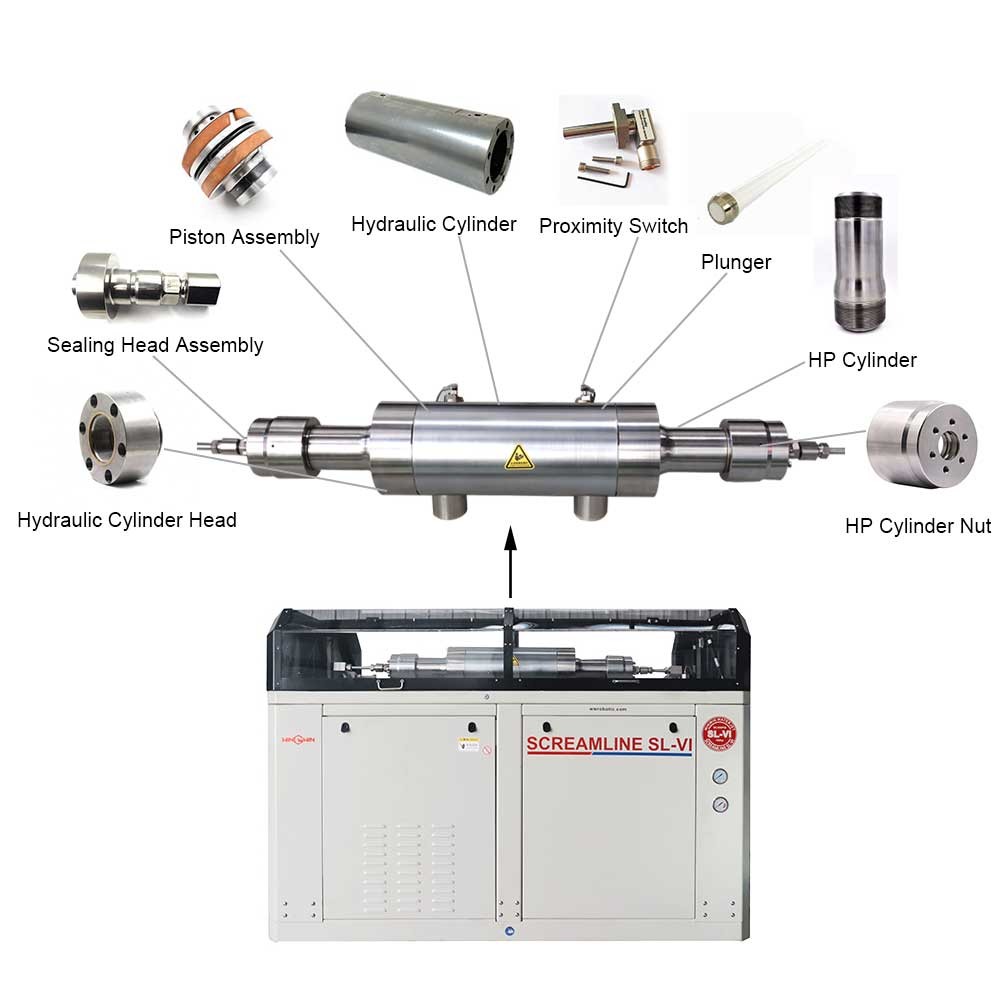
HP-Gland-BV701184
Product ID: BV701184 – HP Gland Nut / High-Pressure Gland
Description:
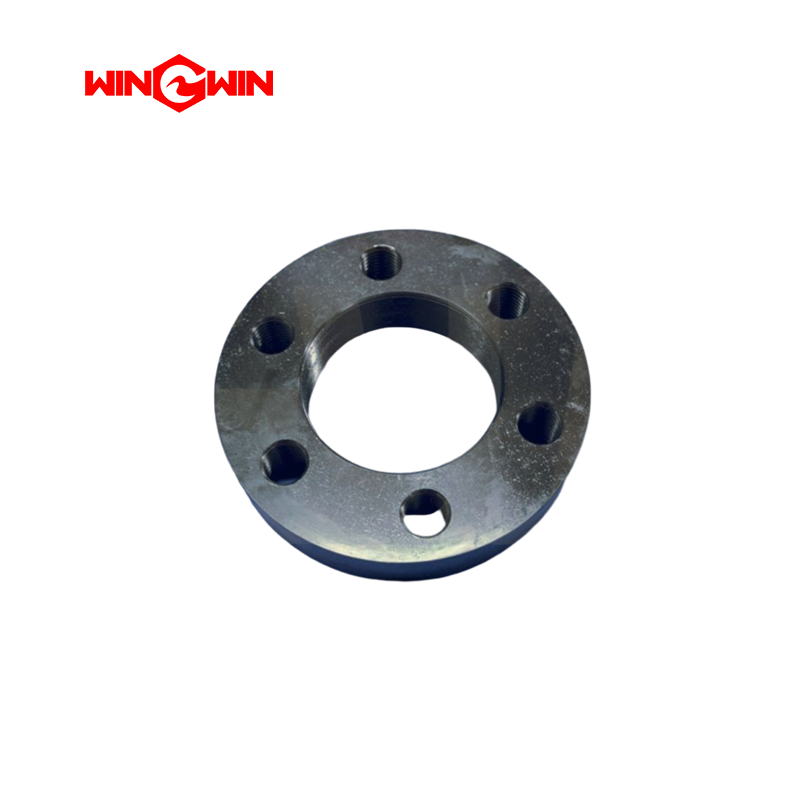
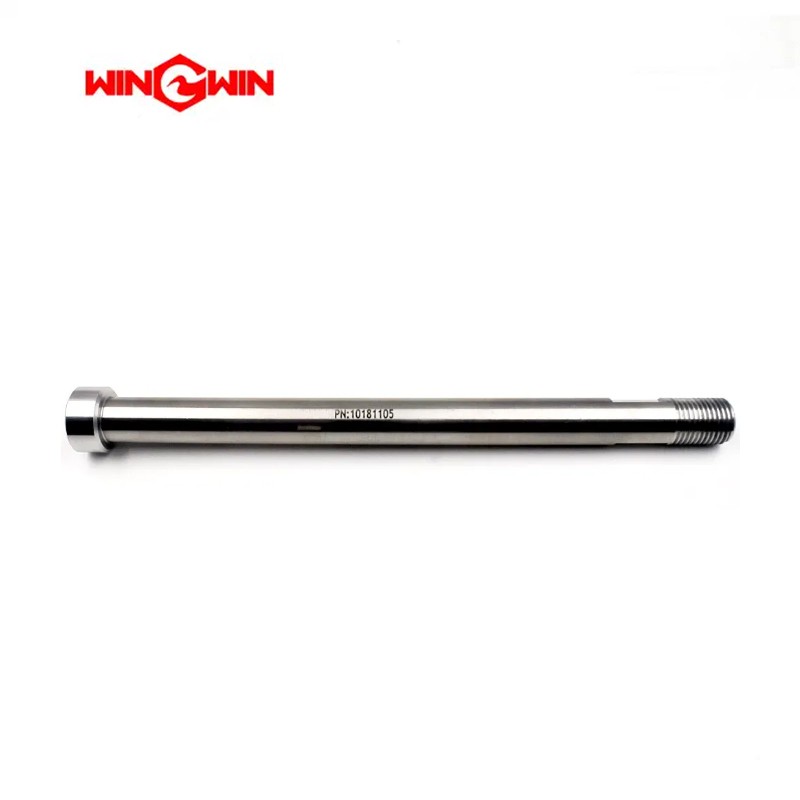
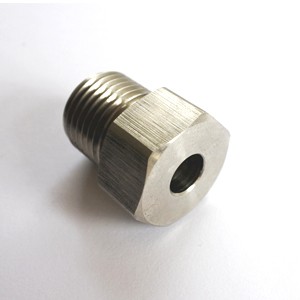
This component is a high-pressure (HP) gland nut designed for waterjet cutting systems . It is a specialized threaded fastener used to secure and seal high-pressure tubing connections, typically at the interface between the high-pressure line and components such as cutting heads, valves, or fittings . This gland nut is rated for ultra-high pressure operation .
Applications:
Used in waterjet cutting machines to connect high-pressure water lines to cutting heads, dump valves, check valves, or intensifier pump outlets .
Installed on high-pressure tubing with standard outer diameter, typically compatible with 0.25 inch or 0.562 inch OD nozzle tubes .
Suitable for both pure water and abrasive waterjet systems operating at pressure ratings from 60,000 PSI to 90,000 PSI .
Features:
Manufactured from high-strength, corrosion-resistant material such as hardened stainless steel to withstand extreme pressure cycling .
Rated for ultra-high pressure operation, typically certified for 60,000 psi (approximately 4,137 bar) up to 90,000 psi (approximately 6,200 bar) .
Precision-machined threads ensure proper fit with high-pressure collars, adapter cones, and mating fittings .
Designed with wrench flats, typically 1.250 inches across, for reliable torquing during assembly and maintenance .
Anti-vibration configuration helps maintain secure connections under continuous pressure cycling and machine vibration.
Engineered to compress a conical ferrule or seal against the mating tubing to create a leak-proof high-pressure seal .
Maintenance:
Before removing a gland nut, fully depressurize the waterjet system and follow lockout/tagout procedures.
Use the correctly sized wrench on the wrench flats; do not use pipe wrenches or pliers that may damage the nut surfaces.
Clean the gland nut threads and mating surfaces thoroughly during each service to remove debris, old seal material, or corrosion.
Inspect threads for signs of damage, galling, stretching, or corrosion; replace the gland nut if any deformation is found.
Check the wrench flats for rounding or damage; damaged driving surfaces can lead to improper torque application.
Inspect the conical sealing surface inside the gland nut for erosion, cracking, or wear caused by high-velocity water flow.
Apply a thin layer of high-pressure compatible lubricant to threads before reassembly as specified by the equipment manufacturer .
Tighten the gland nut to the specific torque value listed in the equipment service manual; over-tightening may damage threads or seals, while under-tightening may cause high-pressure leaks.
When replacing the gland nut, ensure the mating cone adapter or ferrule is also inspected and replaced if worn.
Replace the gland nut if it shows any signs of cracking, stress corrosion, or previous overtightening.