606045-2-Heat-Exchanger-606045-3-20-Plate-606045-5-10-Plate
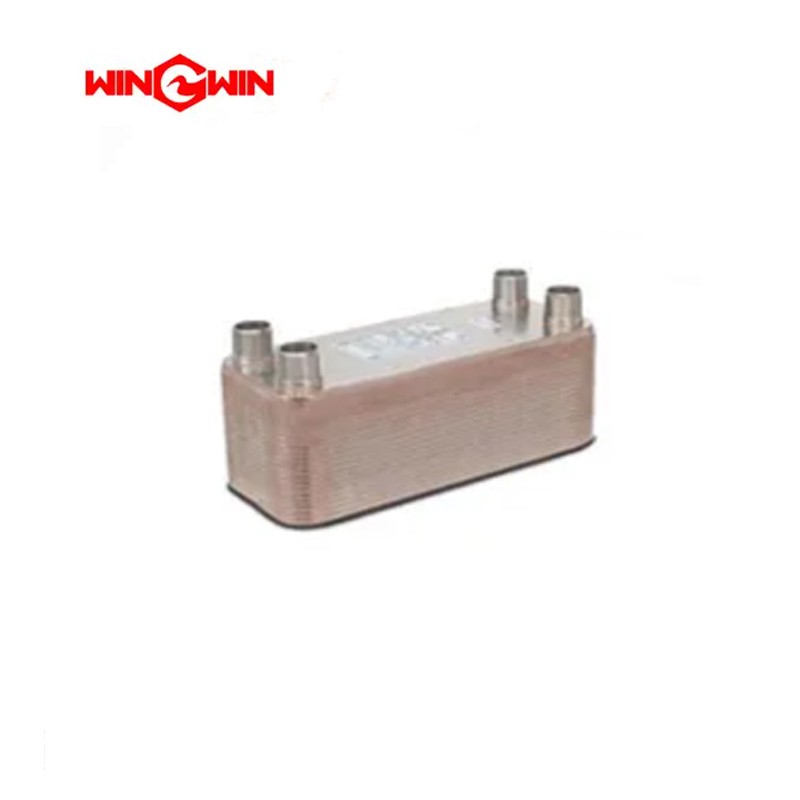
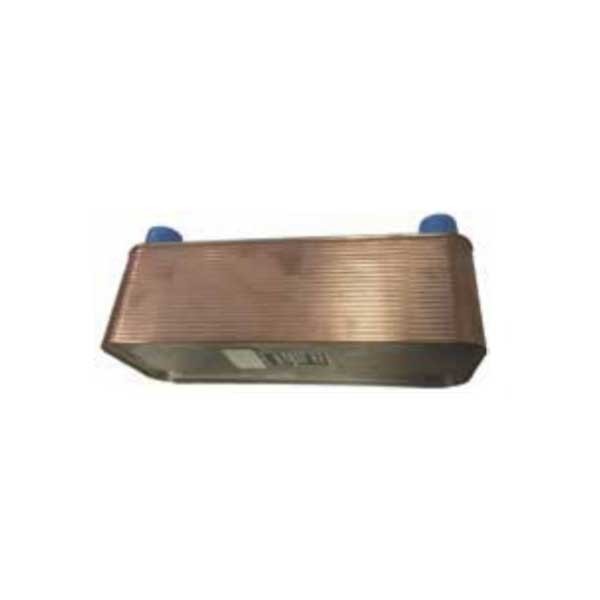
Product Name: Plate Heat Exchanger (10 Plate, 20 Plate) – Part Nos. 606045-2, 606045-3, 606045-5
Description:
This component is a brazed plate heat exchanger (PHE) specifically designed for the hydraulic fluid cooling circuit of high-pressure waterjet cutting systems. It efficiently transfers heat from the hot hydraulic oil returning from the intensifier pump to a separate cooling water circuit.
The heat exchanger consists of multiple corrugated stainless steel plates (1.4401 material) brazed together, typically with 99.9% copper. The design creates two separate flow channels, allowing the hot hydraulic fluid and the cool water to pass through alternating gaps. This arrangement generates high turbulence, which provides exceptional heat transfer efficiency within a very compact footprint.
The designation "20-Plate" (606045-3) and "10-Plate" (606045-5) refers to the number of plates, which directly determines the cooling capacity. It is rated for a maximum static working pressure of 16 bar (approximately 230 psi) and an oil operating temperature of up to +155°C.
Applications:
Cools hydraulic oil circulating from the waterjet intensifier pump back to the reservoir
Mounted on or near the hydraulic power unit (HPU) of the waterjet system
Maintains hydraulic oil viscosity by keeping fluid temperatures within an optimal operating range (typically 40-50°C)
Suitable for industrial hydraulic systems requiring efficient, space-saving cooling with low water consumption
Features:
High Efficiency Corrugated Plate Design: Creates turbulent flow for maximum heat transfer performance.
Compact & Lightweight: Small footprint for easy integration into the machine chassis.
Brazed Copper/Steel Construction: Provides high strength and eliminates the need for clamping bolts and gaskets found in other exchanger types.
Low Fouling & Easy Maintenance: The smooth, high-velocity surfaces minimize sediment build-up and the risk of corrosion.
Corrosion Resistant Materials: Made from stainless steel (1.4401) to resist chemical degradation from standard hydraulic fluids.
Maintenance:
Failure Diagnosis (Common Issues):
Overheating / Poor Cooling Performance: This is usually the first sign of trouble. It is often caused by a clogged internal water passage, scaling of the plates, or low cooling water flow rate.
Oil Contamination / Milky Fluid: If the hydraulic oil appears milky or "creams," it indicates a leak between the oil and water circuits. A cracked plate or failed braze joint has allowed water to enter the hydraulic system.
External Leakage: Water or oil weeping from the gasketed joints or around the plate pack indicates seal degradation or damage to the connection ports.
Routine Maintenance & Troubleshooting:
Clean or Replace Filters: If the oil is overheating, first check the cooling water supply for sufficient flow and pressure. Check and clean the water inlet strainer.
Descaling & Cleaning (Critical): Over time, mineral scale can build up inside the water channels. Use a manufacturer-approved descaling solution to flush the water side of the heat exchanger.
Pressure Testing: If internal leakage (oil contamination) is suspected, the heat exchanger must be removed and pressure tested to locate the faulty plate.
Torque Checks (If Applicable): Most small brazed plate coolers are sealed units and do not require bolt re-tensioning. If the unit has external bolts (gasketed type), check the torque of the compression bolts. Loss of torque can lead to external leaks.
Replacement: Brazed plate heat exchangers are typically non-serviceable units. If the unit is leaking internally or is severely clogged beyond cleaning, the entire assembly must be replaced as a sealed unit. Attempting to repair a brazed plate stack is not feasible in the field.
Full Depressurization: Before servicing the heat exchanger, fully depressurize the hydraulic system, shut down the high-pressure water pump, and follow lockout/tagout procedures.