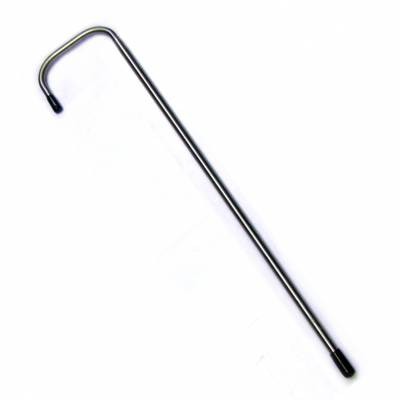
80070303 long waterjet tube
Product ID: 80070303 – Tube, Bent, HP, .38, SST316, 60K
Description:
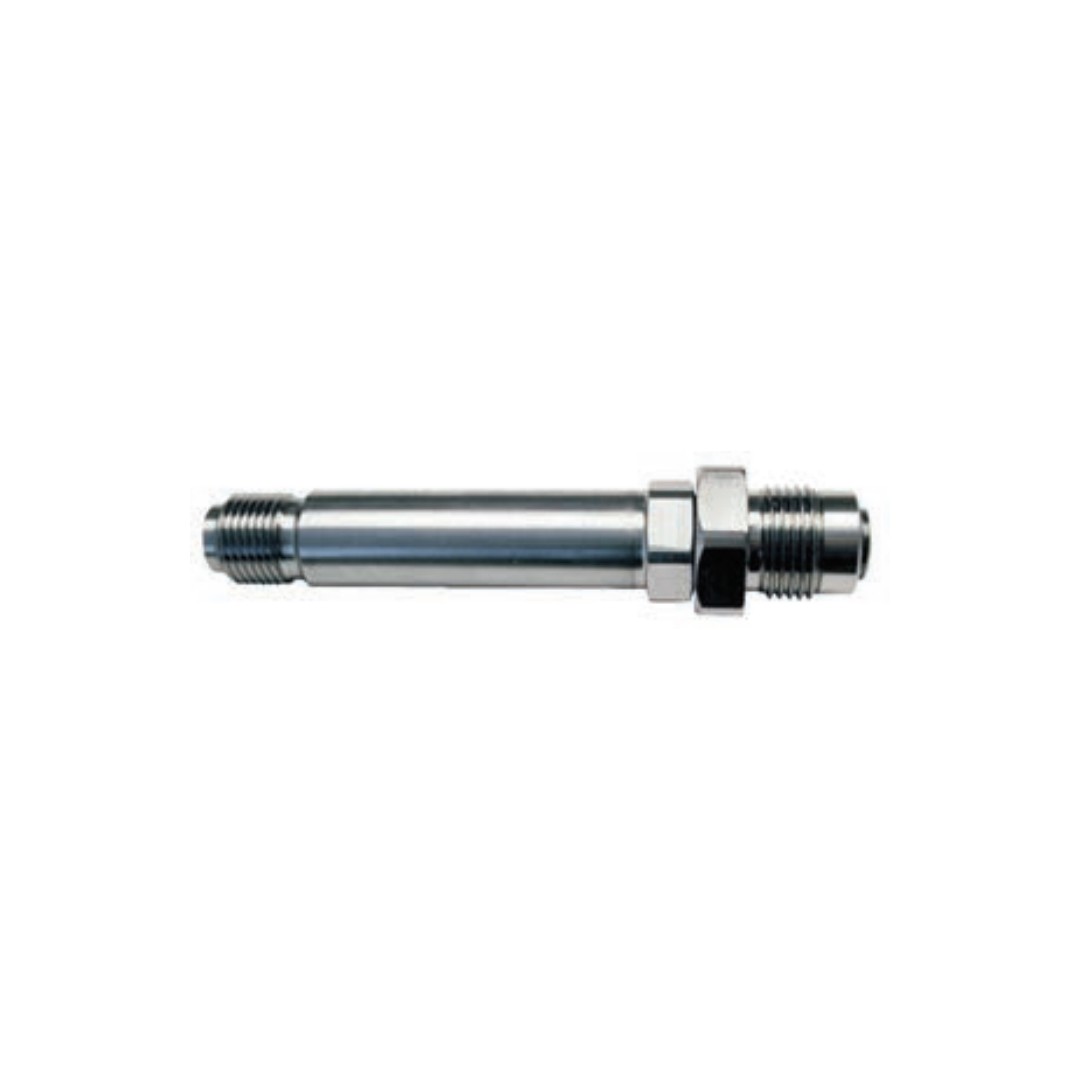
This component is a long, bent high-pressure (HP) tube for waterjet cutting systems . It is a precision-formed tubular component fabricated from 316 Stainless Steel (SST316), designed to transport ultra-high-pressure water from the intensifier pump to the cutting head assembly. The .38 designation indicates a 3/8 inch outer diameter, and the tube is pre-formed with a specific bend geometry (potentially a 90-degree or other angle) to accommodate routing requirements on the machine gantry or motion system . It is rated for continuous operation at 60,000 PSI (approximately 4,137 bar) .
Applications:
Used to convey high-pressure water from the pump outlet to the cutting head swivel or nozzle assembly along the machine’s Z-axis or bridge.
Installed as a rigid or semi-rigid conduit on waterjet cutting machines requiring precise tube routing around mechanical components.
Suitable for ultra-high pressure waterjet systems, typically operating at 60,000 PSI (4,137 bar).
Features:
316 Stainless Steel Construction: Manufactured from SST316, offering excellent corrosion resistance and durability in wet, abrasive waterjet environments .
Pre-formed Bend: The tube is pre-bent to a specific geometry, reducing the need for field bending and ensuring proper fit and stress distribution .
High-Pressure Rating: Engineered for continuous operation at 60,000 PSI, ensuring safety and integrity under extreme loads.
Precision End Preparation: Features precision-machined ends (typically coned) for reliable metal-to-metal sealing with standard high-pressure fittings and gland nuts.
Maintenance:
Inspection: Regularly inspect the external surface of the bent tube for signs of vibration-induced wear (fretting), pitting, corrosion, or cracking. Pay particular attention to the outer radius of the bend, where stress is highest.
Vibration Damping: Ensure the tube is properly secured with clamps or supports. Excessive vibration can lead to fatigue failure at the bend or fittings.
Connection Care: When disassembling, inspect the cone sealing surfaces and threads for nicks or galling. Damaged cone surfaces will cause high-pressure leaks.
Full Depressurization: Always fully depressurize the waterjet system and follow lockout/tagout procedures before removing or installing the bent tube.
Torque Compliance: Tighten the associated gland nuts to the specific torque value listed in the equipment service manual to ensure proper sealing without damaging the tube ends.
Replacement Criteria: Replace the bent tube if visible cracking, severe corrosion, deep pitting, or deformation is found. Do not attempt to straighten or re-bend a bent tube, as this will weaken the metal and create stress risers.