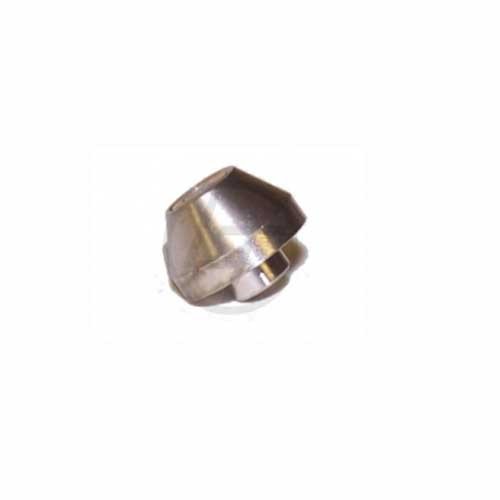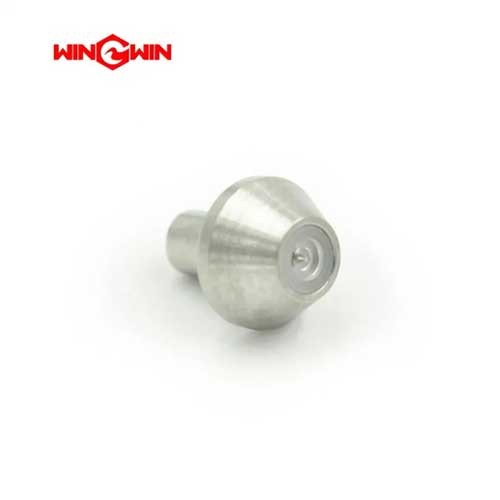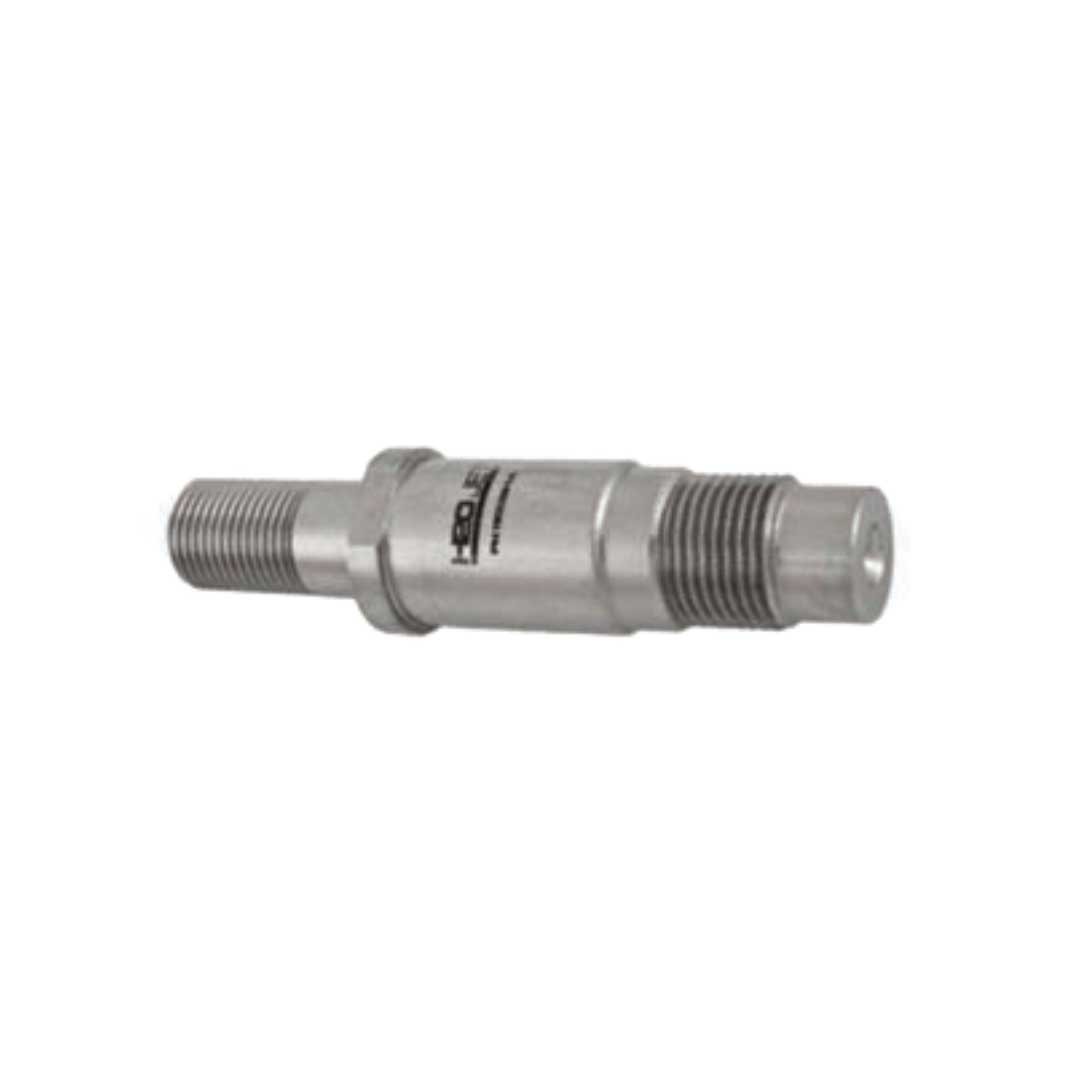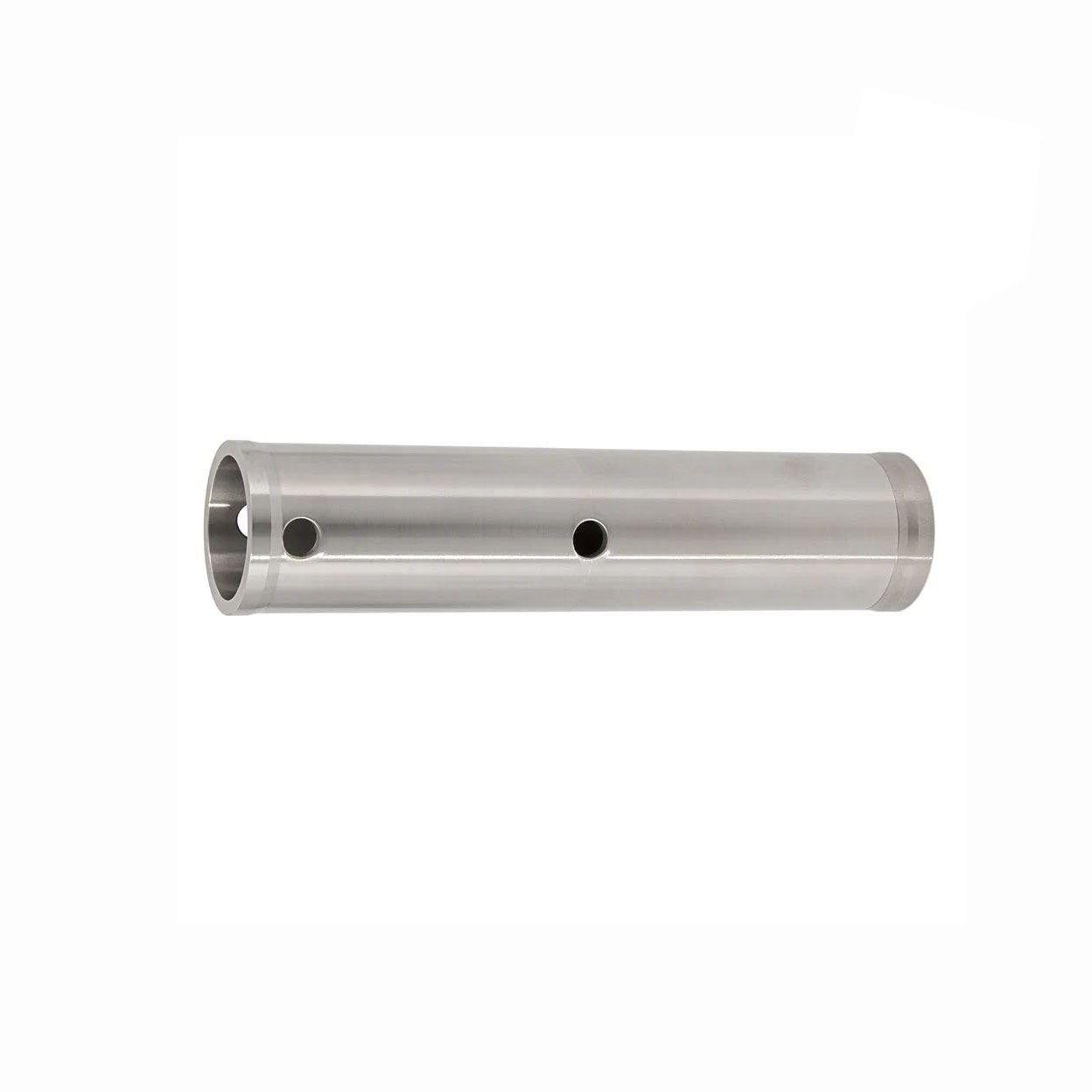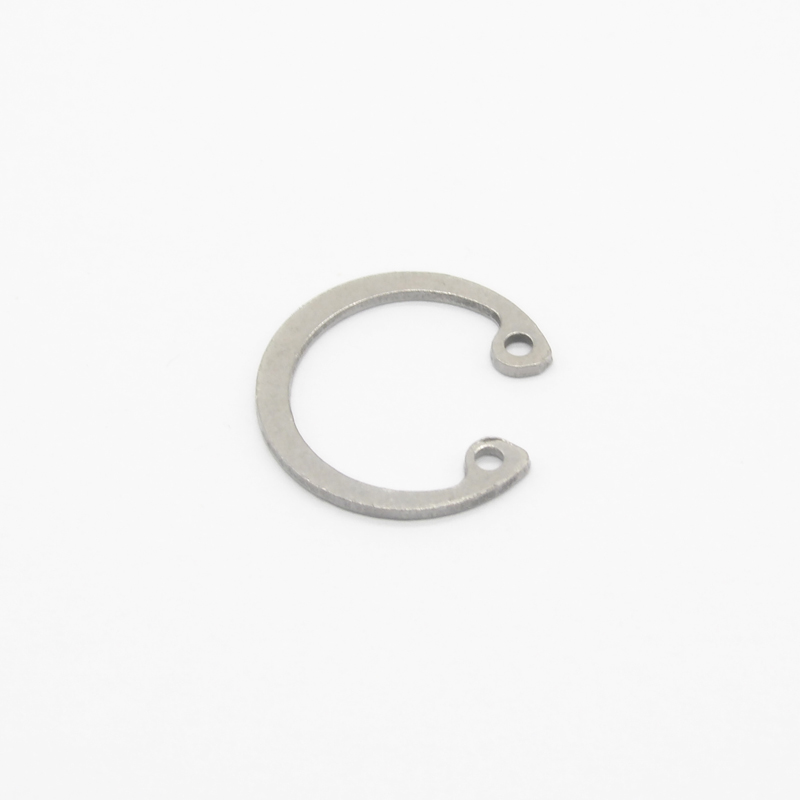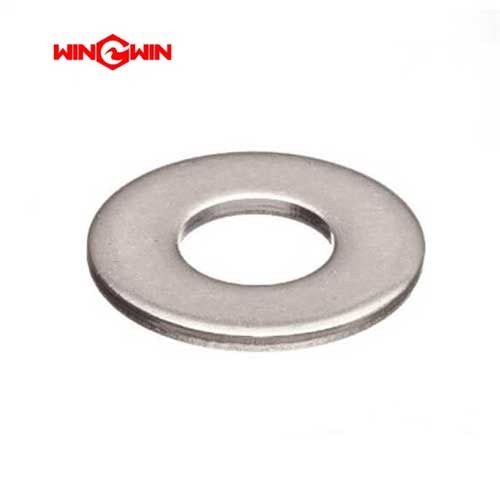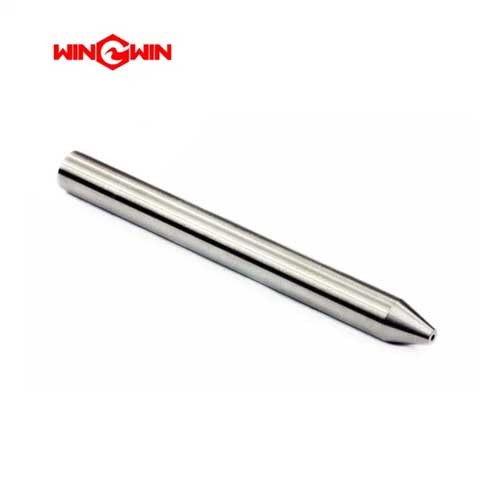
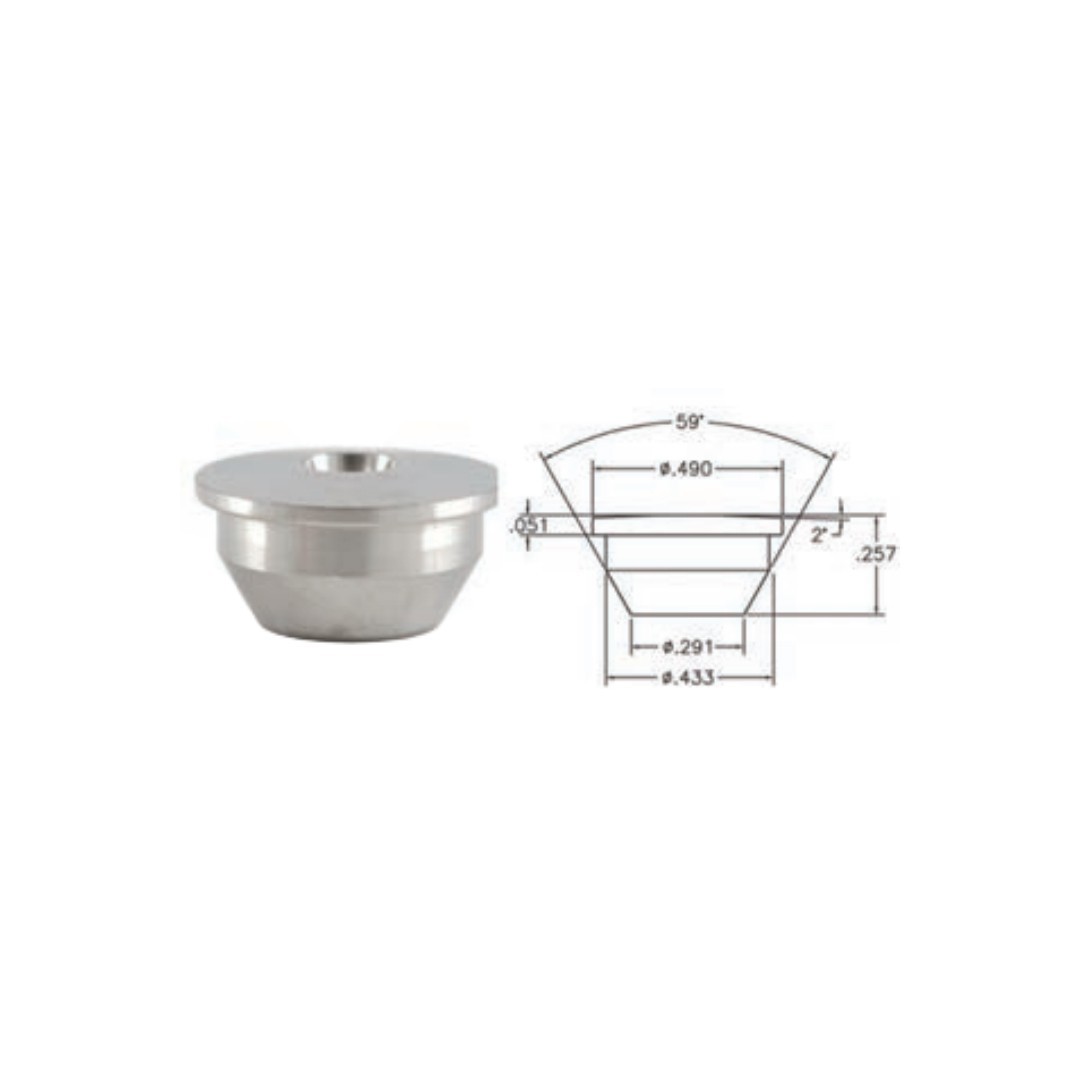
201940-xx-P-V-Nozzle-Assembly-ECL
Product Name: P-V Nozzle Assembly, ECL Series (Part No. 201940-xx)
Description:
This component is a P-V (Paser V) nozzle assembly, specifically designed for high-performance abrasive waterjet cutting systems operating at ultra-high pressures. The "ECL" (Extended Cutting Life) designation indicates that this assembly incorporates advanced internal geometry and wear-resistant materials to provide superior longevity and cutting efficiency compared to standard nozzle assemblies.
The assembly serves as the primary cutting head component, housing the orifice (jewel nozzle), mixing chamber, and providing the interface for the focusing tube (mixing tube). It is designed to maintain precise coaxial alignment between the water orifice and mixing tube, which is critical for jet coherence, cutting accuracy, and maximizing the service life of consumable parts .
The -xx suffix in the part number indicates that this assembly is available in multiple configurations, typically denoting different orifice diameters (e.g., .010, .013, .014 inches) to match specific pump flow rates and cutting requirements.
Applications:
Mounts as the primary cutting head on P-V series waterjet intensifier systems
Generates the abrasive waterjet stream for cutting hard materials including metal, stone, glass, ceramics, and composites
Suitable for ultra-high pressure waterjet systems operating at 60,000–90,000 PSI (approximately 4,137–6,200 bar)
The ECL design is particularly suited for high-production environments requiring extended component life between maintenance intervals
Features:
P-V Series Compatibility: Engineered to match Paser V intensifier pump specifications for optimal flow dynamics and pressure management
ECL Extended Life Design: Specialized internal geometry and wear-resistant materials provide longer service life compared to standard assemblies
Precision Orifice Mounting: Ensures accurate alignment of the jewel orifice (ruby or diamond) with the mixing tube for coherent jet formation
Integrated Mixing Chamber: Features an optimized Venturi geometry for efficient abrasive suction and mixing
High-Pressure Rating: Engineered for continuous operation at 87,000–90,000 PSI in demanding production environments
Multi-Configuration Available: Various orifice sizes denoted by the
-xxsuffix to match specific pump capabilities
Maintenance:
Failure Diagnosis:
Split or Divergent Waterjet: If the low-pressure water stream exiting the focusing tube is scattered, split, or not straight, the orifice or nozzle assembly is likely worn or damaged
Reduced Cutting Performance: A noticeable drop in cutting speed, increased taper, or rougher edge finish indicates component wear
Increased Kerf Width: Monitoring cut width (kerf) over time; significant increases indicate mixing tube or orifice degradation
Visible Damage: During disassembly, inspect the jewel orifice surface for cracks, chips, or erosion; inspect the mixing tube bore for ovality or flaring
Inspection and Replacement Guidelines:
Component Stack Inspection: When rebuilding the cutting head, inspect the nozzle body, mixing chamber, orifice, mixing tube, spacer, collet, retaining nut, shields, and seals as a complete stack. Worn or misaligned components reduce jet coherence and shorten the life of new parts
Orifice Life: Under normal operating conditions with proper water quality, orifice life is projected to be approximately 300 hours, though this varies based on pressure, water quality, and abrasive type
Seal Inspection: Always inspect O-rings and sealing washers for damage or wear during assembly
Clean Installation: Thoroughly clean the nozzle body and mixing chamber before installing new components to remove debris or abrasive particles that could damage the new orifice
Lubrication: Apply high-pressure thread lubricant (e.g., anti-seize compound) to threads during reassembly to prevent galling and ensure accurate torque application
Torque Compliance: Tighten the mixing chamber and retaining nut to the specific torque values listed in the equipment service manual. For similar assemblies, reference torque values include 18 Nm for banjo bolts and 50 Nm for mixing chamber connections
Full Depressurization: Always fully depressurize the waterjet system and follow lockout/tagout procedures before servicing the nozzle assembly
Water and Abrasive Quality Impact:
Poor water quality with contaminants accelerates orifice and mixing tube wear
Maintaining proper water filtration and using high-quality garnet abrasive maximizes component service life