
News
-
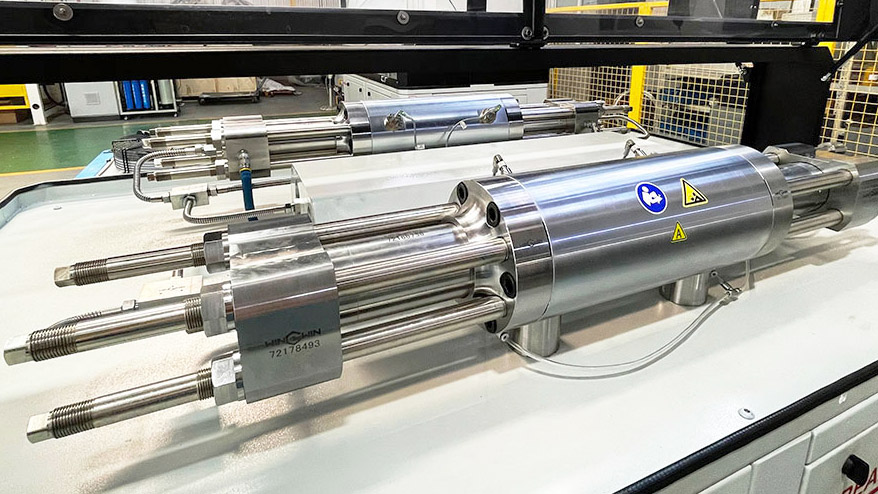
How long does it take to ship replacement parts to USA?
At Winwin, we understand that when you need replacement parts for your waterjet cutting system, time is often critical. That is why we offer two shipping options to the USA: sea freight and air express.Read more -
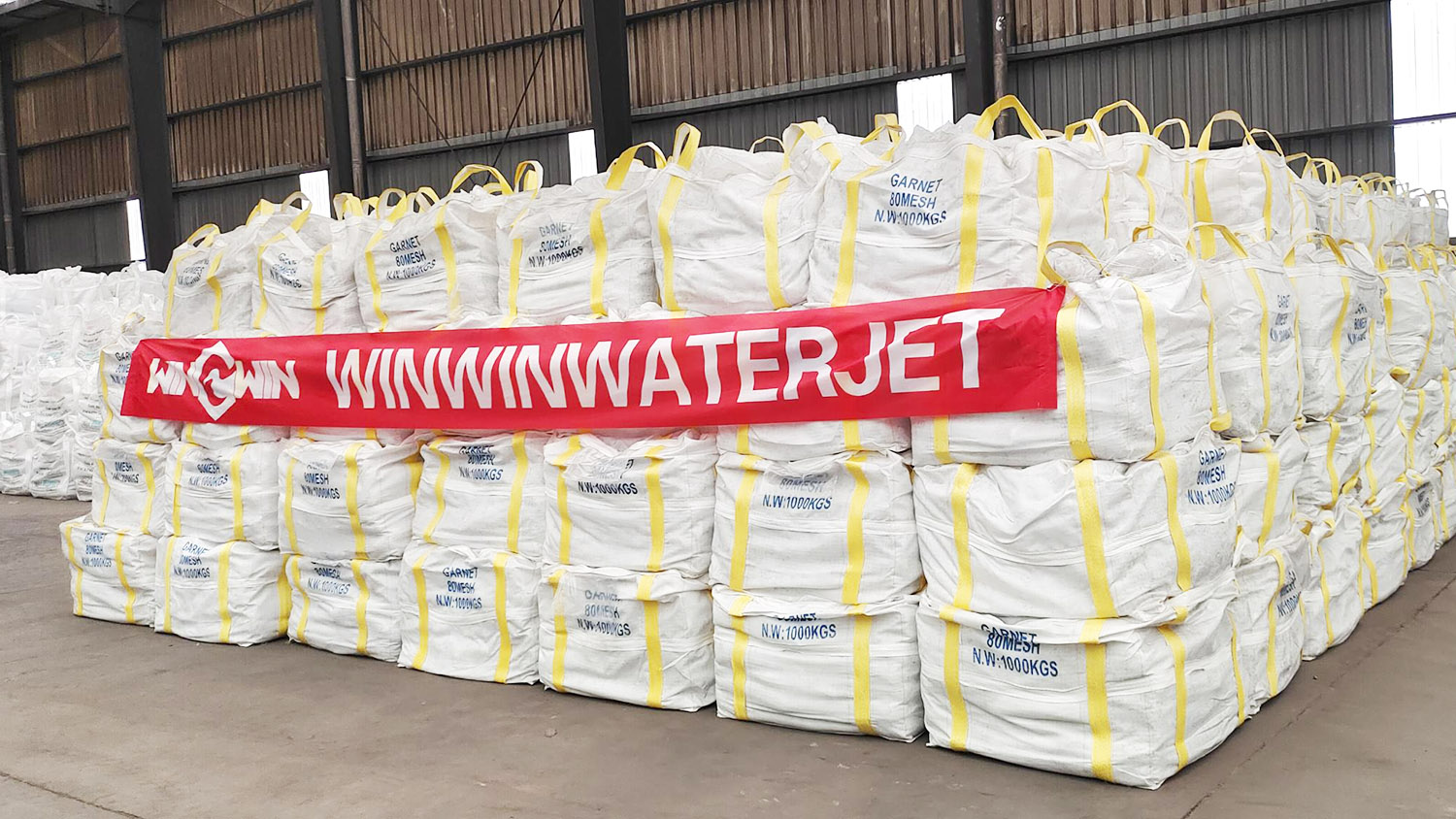
Do you offer a bulk discount for orders of abrasive garnet or cutting heads?
Winwin is a professional supplier of waterjet consumables and spare parts, including abrasive garnet, cutting heads, dynamic seals, and orifices. With over a decade of experience in the waterjet industry, we are committed to providing high-quality products that help our customers achieve stable cutting performance and lower operating costs.Read more -
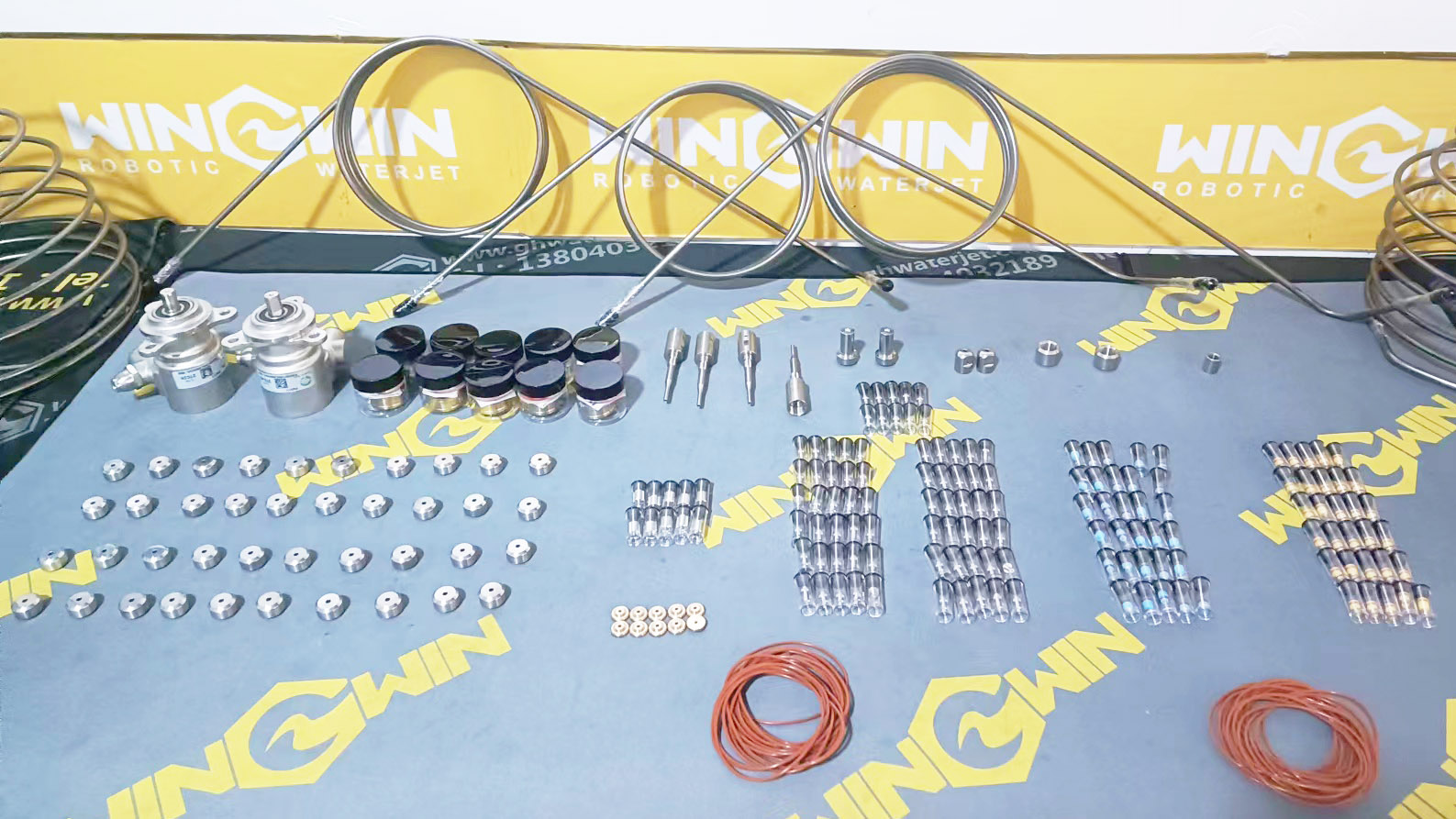
What is the warranty period for your waterjet dynamic seals?
Dynamic seals are consumable parts, and their service life depends heavily on operating pressure, water quality, abrasive type, and maintenance frequency. Therefore, we do not offer a fixed warranty period like standard components.Read more -
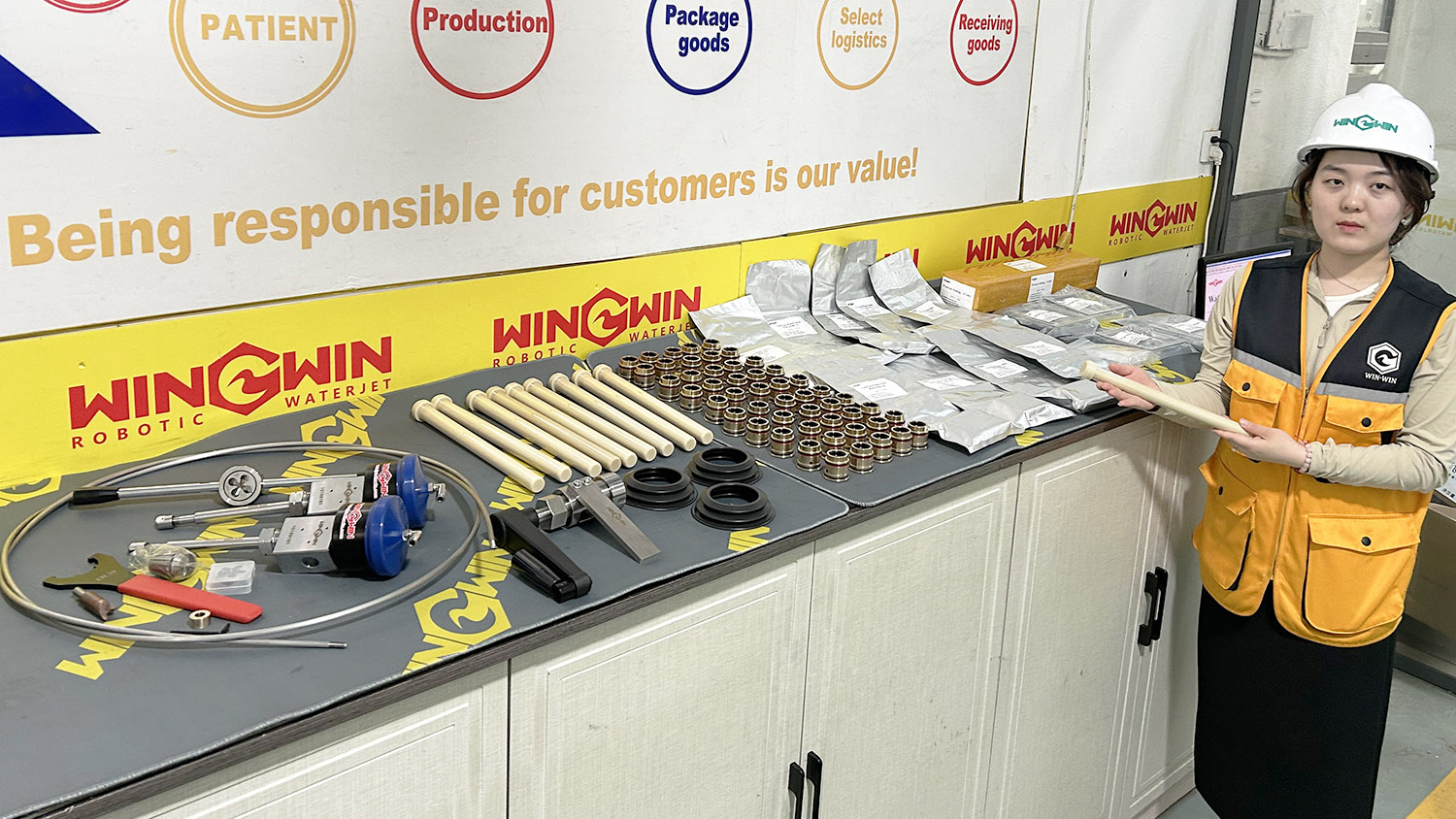
Can you send me a cross-reference list for your parts with popular brands like OMAX, Flow, or Techn
At Win Win Waterjet, yes, we can absolutely provide a cross-reference list for our parts with popular brands such as OMAX, Flow, and Techni. However, to ensure accuracy and proper fit, we kindly ask that you share your specific OEM part numbers or your pump model details. Once we have that information, our team will prepare a detailed cross-reference matching each of your required components to thRead more -
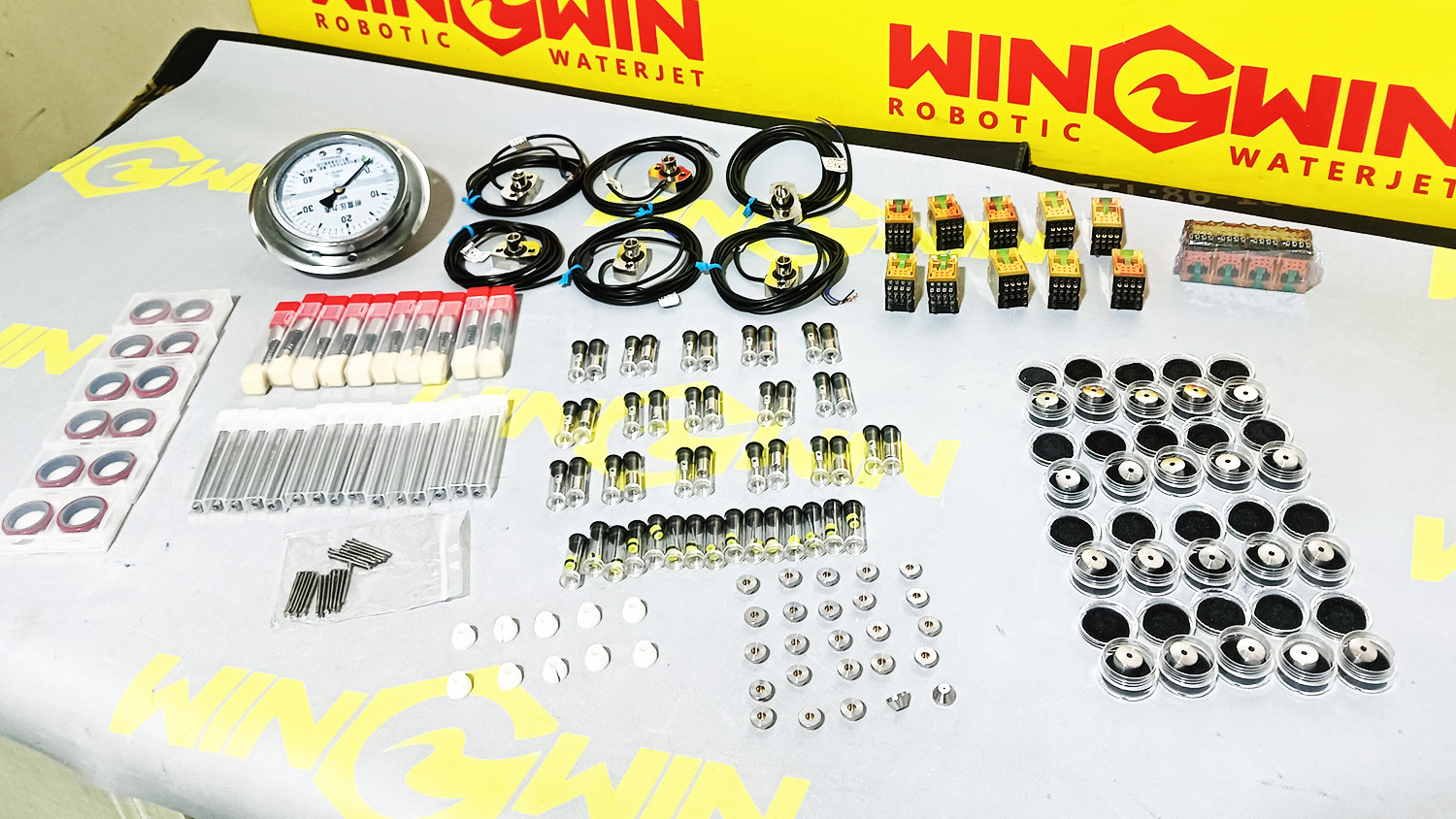
Do you supply the complete sealing kit for high-pressure cylinders?
At Win Win Waterjet, yes, we supply the complete sealing kit for high-pressure cylinders. Our sealing kits include every component required for a full rebuild of high-pressure cylinders used in waterjet intensifier pumps, including all rod seals, piston seals, check valve o-rings, backup rings, and guide rings. We offer kits compatible with all major waterjet pump brands as well as our own Win WinRead more -
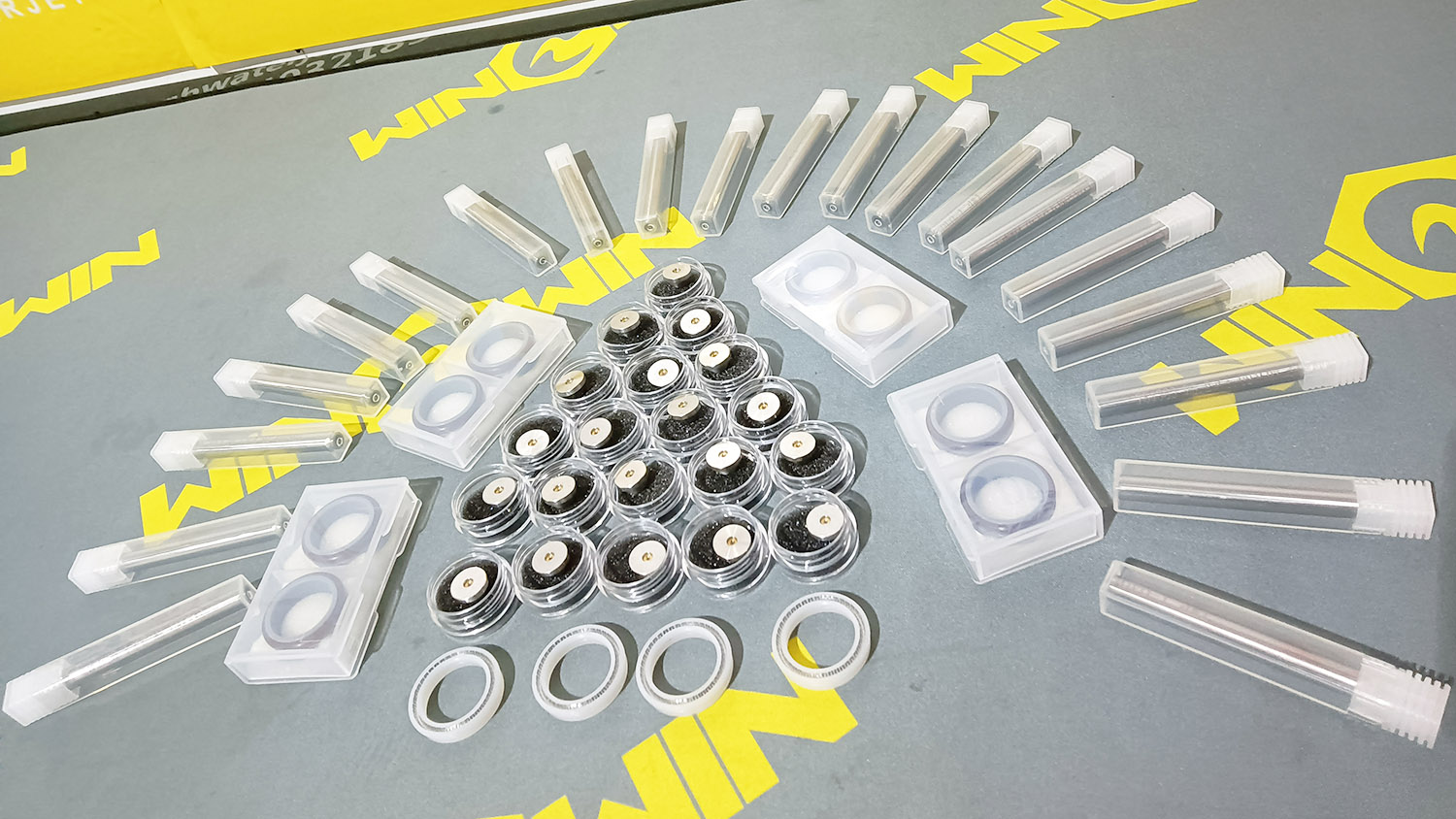
What is the orifice size range available for your waterjet nozzles?
At Win Win Waterjet, we offer waterjet nozzle orifices in a comprehensive size range designed to meet the diverse needs of precision cutting applications. Our standard orifice sizes span from as small as 0.076 mm (0.003 inches) to 0.51 mm (0.020 inches).Read more
