
News
-
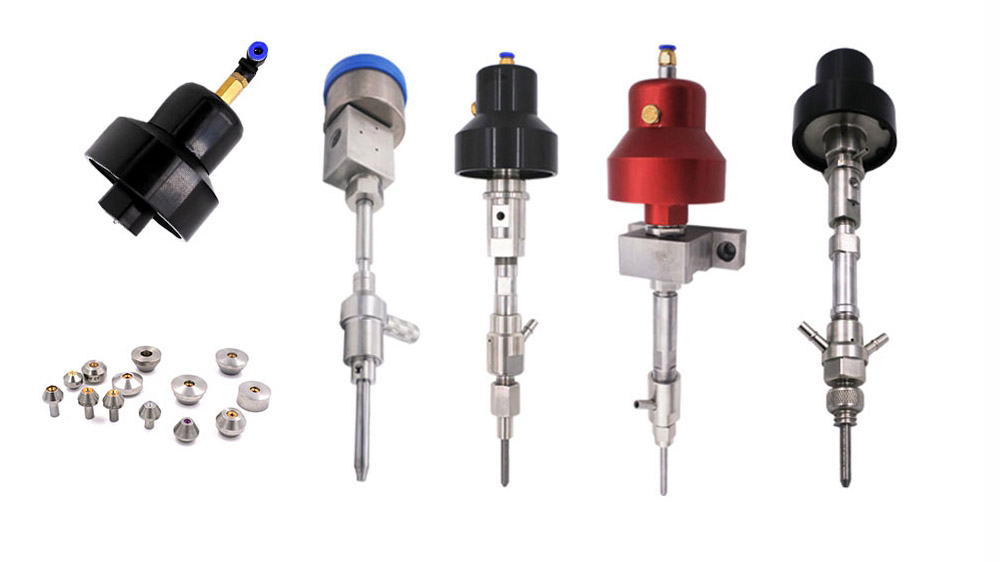
How to know if your abrasive nozzle fits my existing waterjet head?
From Winwin’s perspective, determining whether our abrasive nozzle fits your existing waterjet head involves several clear checks. Here’s how you can verify compatibility, and how we ensure the match meets your requirements.Read more -
What materials are the waterjet cutter mixing tubes made of?
In abrasive waterjet cutting, the mixing tube (also called a focus tube or nozzle) is the final component where abrasive particles (e.g., garnet) combine with a high-pressure water jet. Its primary function is to focus and accelerate the abrasive mixture into a coherent, precise cutting stream. Without a durable mixing tube, the jet would quickly erode the nozzle, leading to poor cut quality, diveRead more -
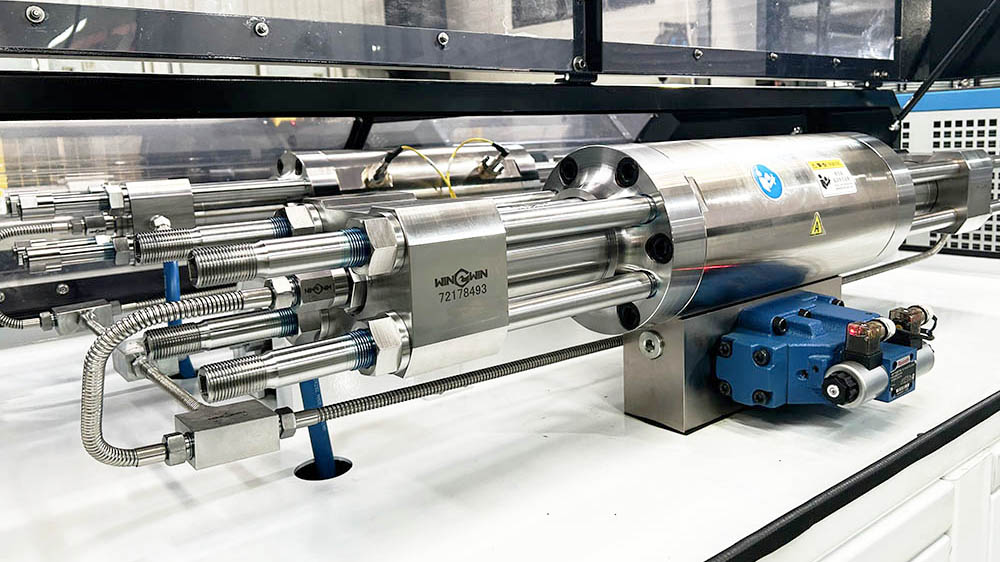
Someone asked: Do you provide OEM or compatible parts for brand-name waterjet machines?
Thank you for your question. At Winwin Company, we fully understand the importance of keeping your waterjet system running with minimal downtime and maximum precision. To answer your question directly: yes, we provide both OEM and high-quality compatible replacement parts for virtually all major brand-name waterjet machines, including but not limited to OMAX, Flow, Techni Waterjet, WardJet, and ByRead more -
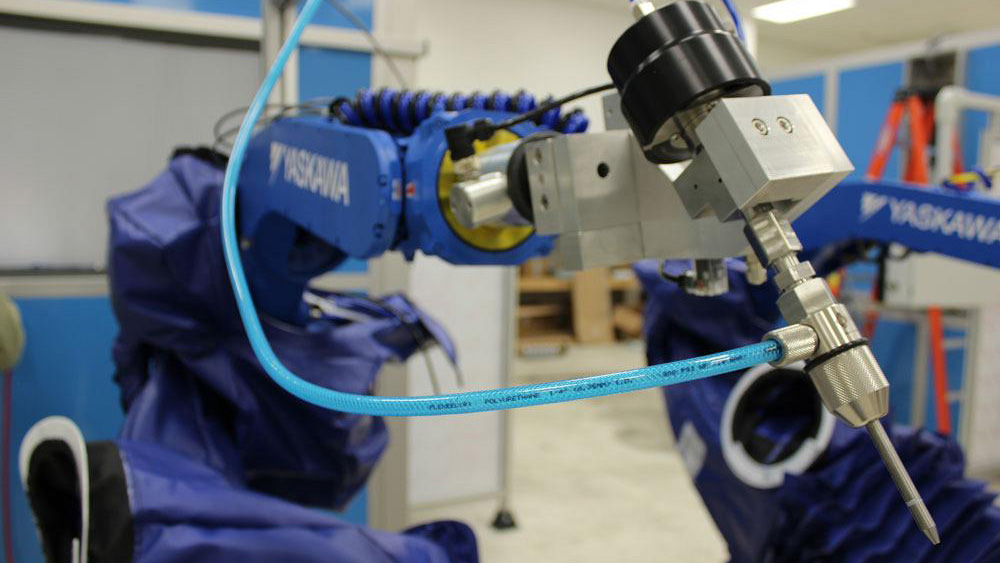
What is the lifespan of the waterjet cutting nozzle?
The lifespan of a waterjet cutting nozzle typically ranges from 40 to 120 hours of actual cutting time, depending heavily on several key factors. This wide range reflects differences in operating conditions, abrasive quality, and maintenance practices.Read more -
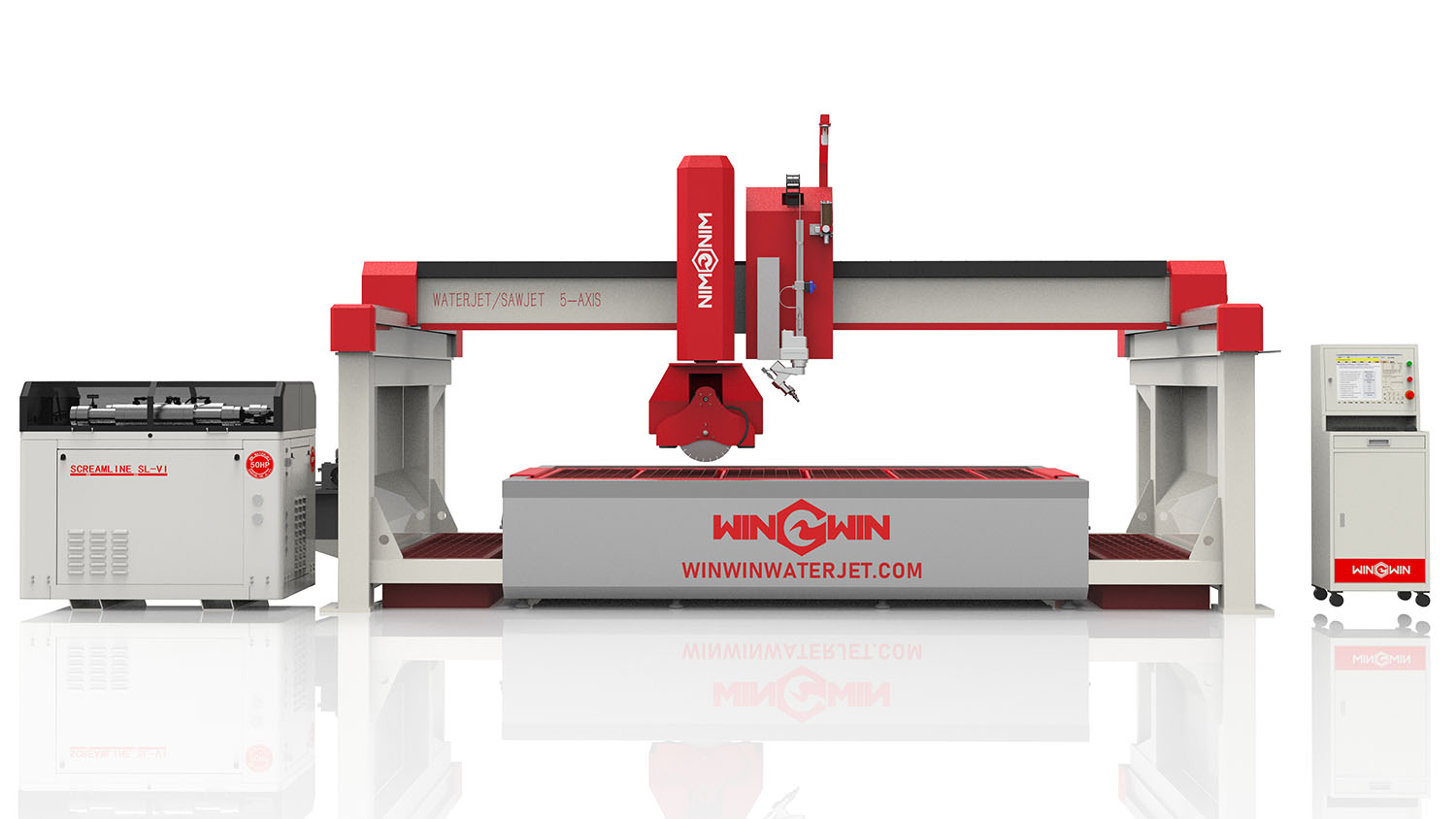
Introduces High-Performance CNC Sawjet – 25 Years of Expertise in Precision Cutting
Winwin Company, a seasoned manufacturer with 25 years of experience in the cutting machinery industry, has launched its latest series of CNC Sawjet machines. Engineered for maximum versatility and precision, the Winwin CNC Sawjet combines the power of an abrasive waterjet with the speed of a circular saw blade in a single, fully automated CNC system. This hybrid design allows operators to cut a wiRead more -
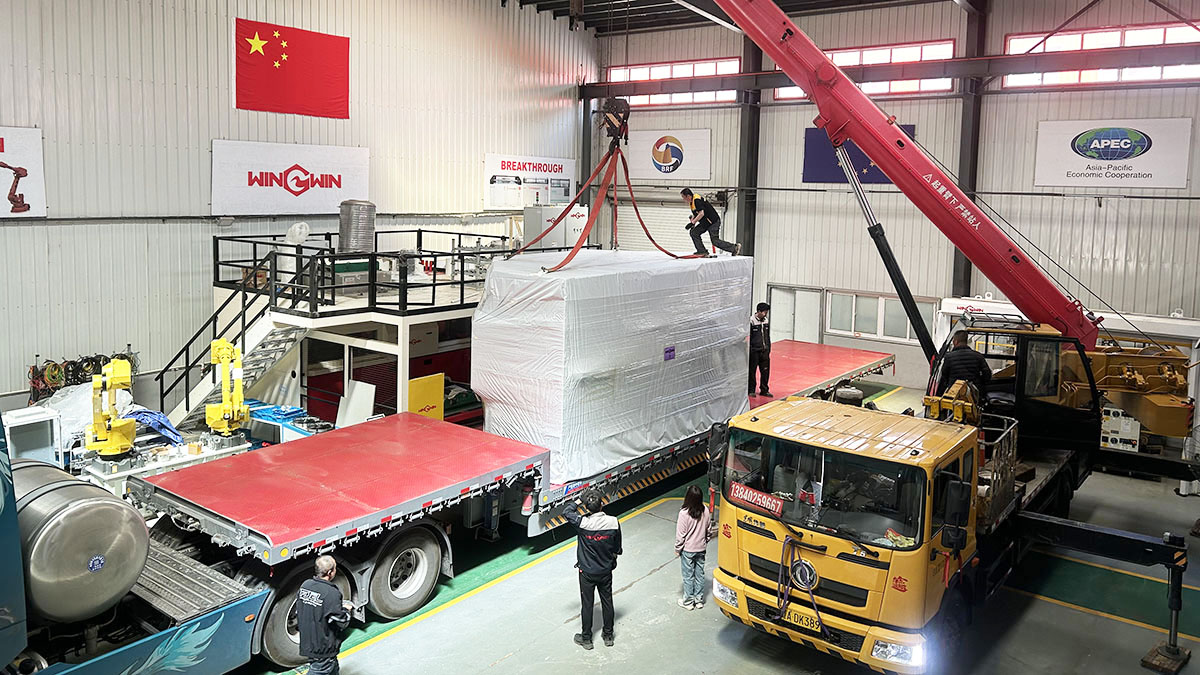
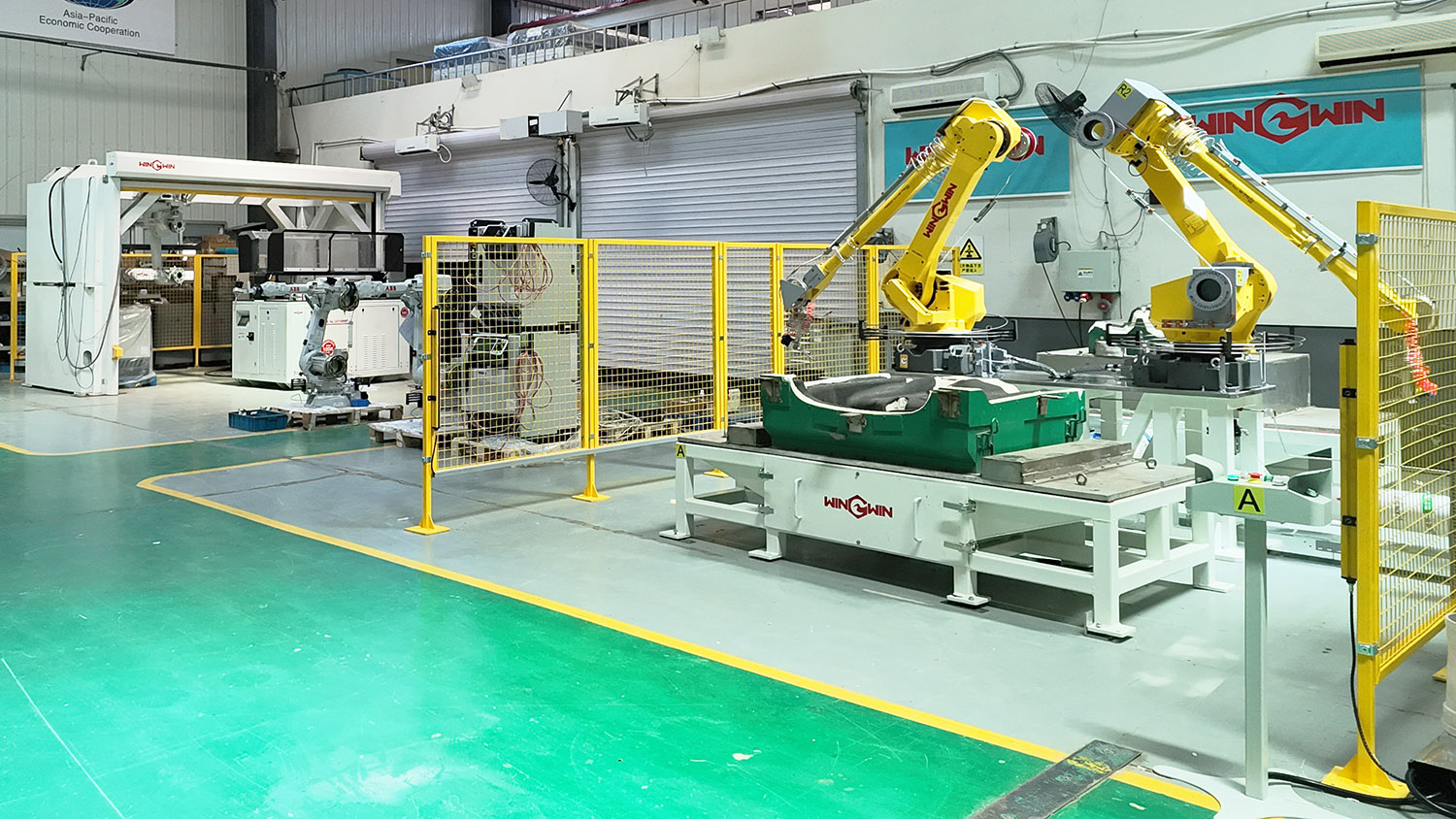
Another Robotic Waterjet Cutting System Ships from Win Win – Engineered for Customer Success
The system, large enough to handle automotive interior panels and complex 3D parts, was carefully loaded, braced, and secured for its journey. This was not just a shipment. It was the physical result of months of engineering, fabrication, testing, and collaboration. Watching the truck pull away, the Win Win team felt not relief, but quiet pride. Another machine had earned its road trip.Read more
