
News
-
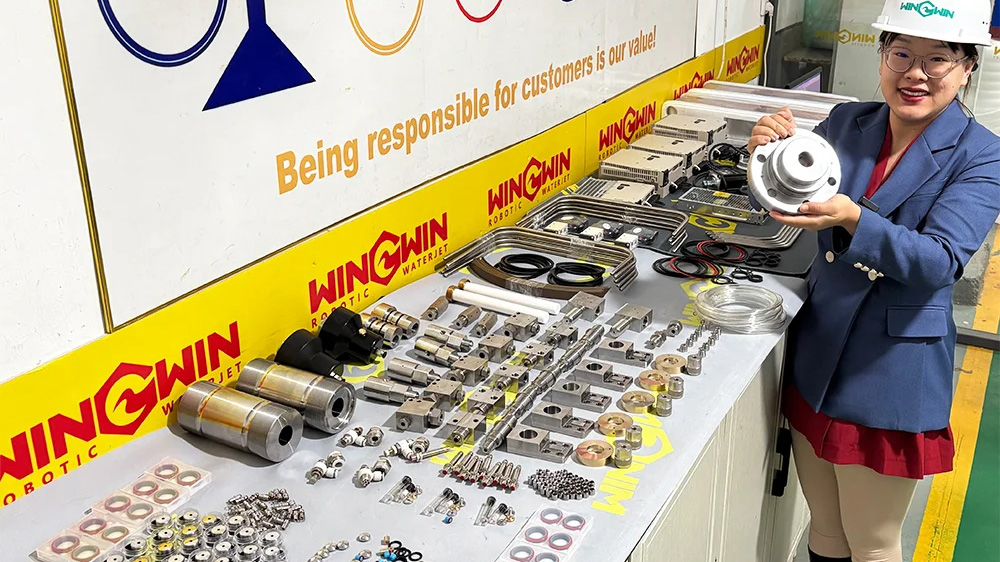
Juily’s Journey: From Waterjet Beginner to Happy Mom and Company Expert
Every great company has a few people who aren't just employees — they're part of the furniture, part of the story, and part of the heartbeat. At Win Win, that person is Juily.Read more -
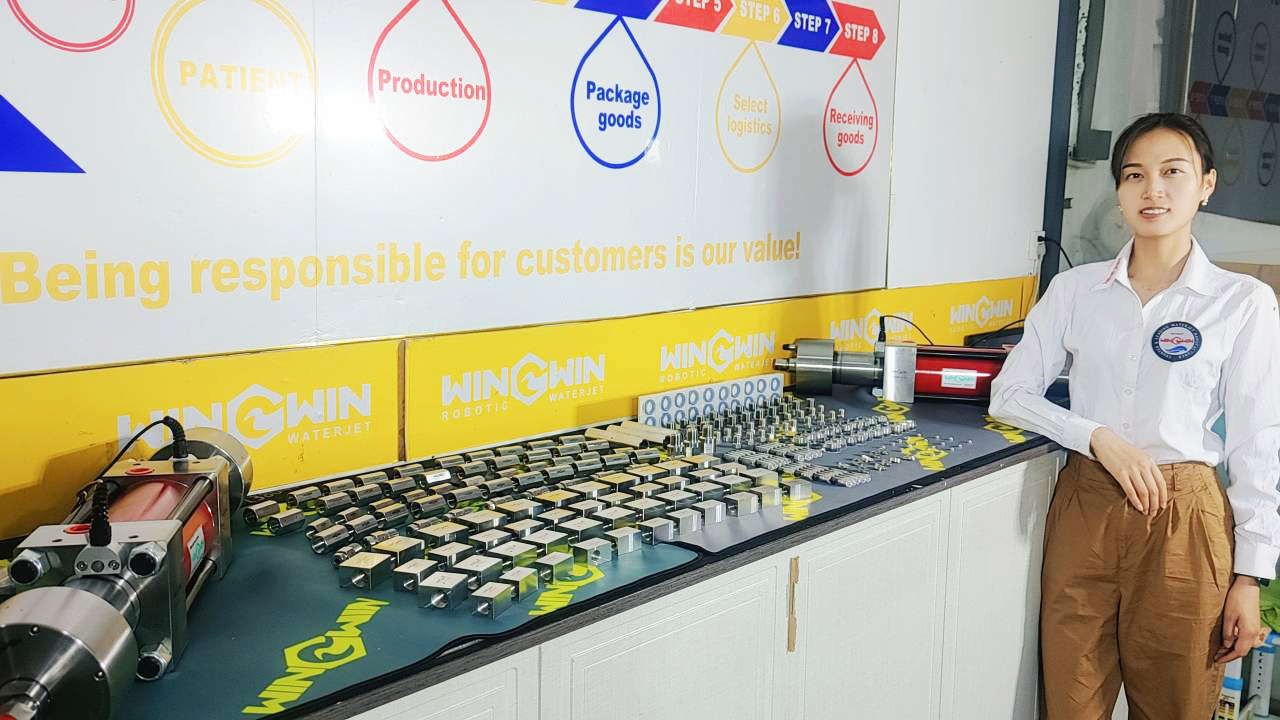
25 Years of Making Waterjet Owners Smile – Win Win Has Your FLOW-Compatible Parts
Let’s be real for a second. Owning a waterjet cutter is awesome… until you need a replacement part. Suddenly you’re staring at long lead times, confusing part numbers, and prices that make your coffee taste bitter. That’s where Win Win comes in – like that friendly mechanic who actually explains what’s wrong and doesn’t overcharge you.Read more -
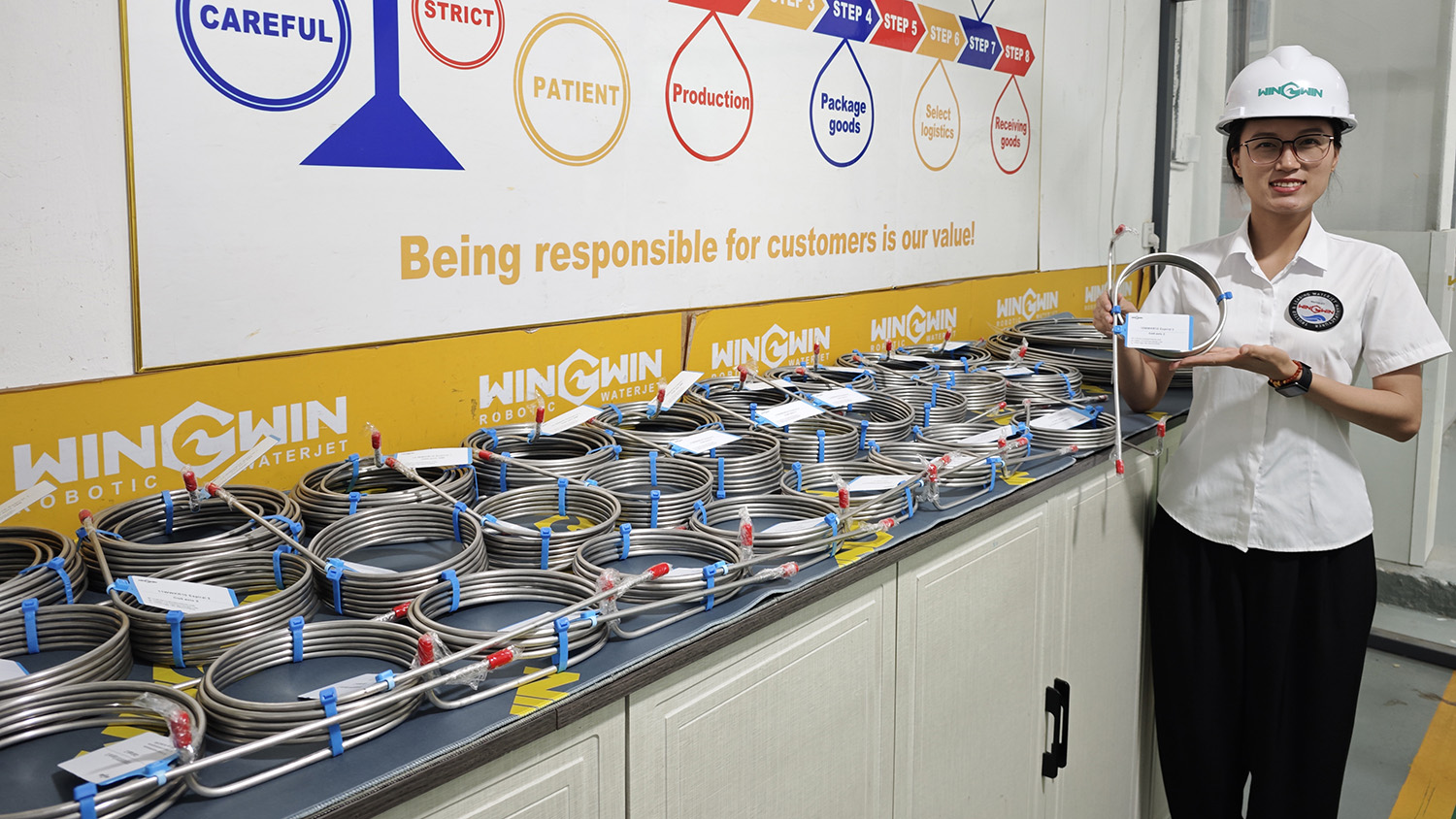
Maximizing Robotic Waterjet Performance with High-Reliability Coiled Tubing Solutions
Robotic waterjet cutting represents a significant leap forward in precision manufacturing. Unlike traditional gantry or table-based systems, a robotic waterjet integrates an industrial robotic arm with an ultra-high pressure (UHP) waterjet pump—often operating at 60,000 to 90,000 psi. This combination delivers exceptional flexibility, allowing the cutting head to follow complex 3D contours, bevelRead more -
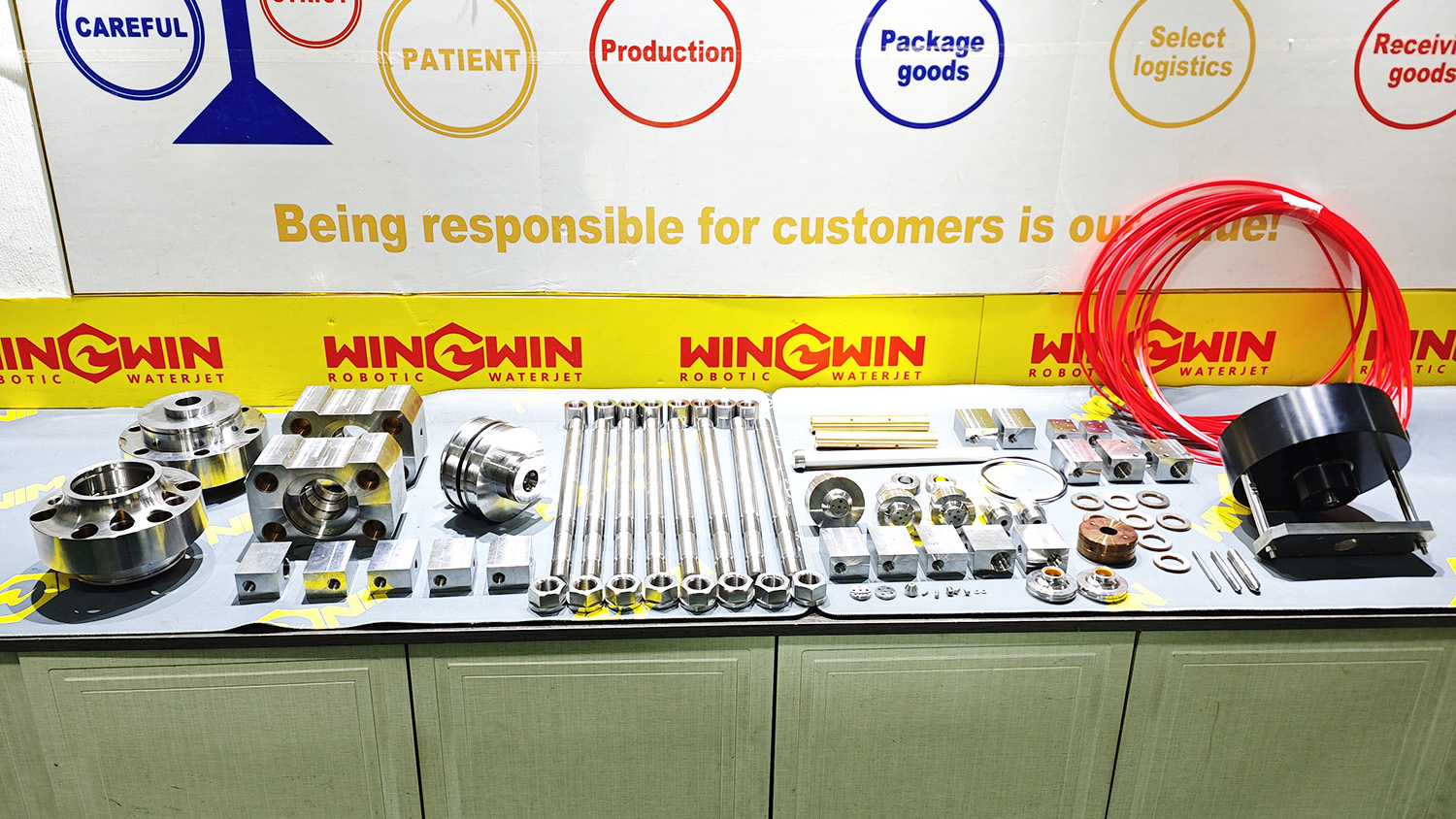
When Your Waterjet Cutter Gets a High-Pressure Hug from Win Win
Let’s be honest – nobody wakes up excited about a pump failure. But if you run a waterjet cutting shop, a broken 90,000 psi ultra-high pressure intensifier pump can turn a great morning into a stressful scramble. Enter Win Win, the kind of company that makes you smile even when you’re knee-deep in technical trouble.Read more -
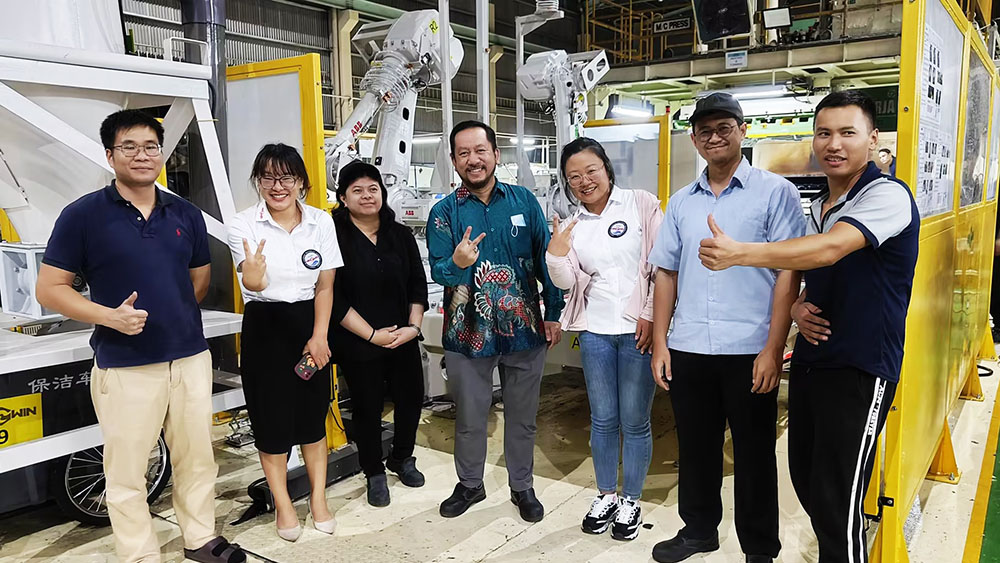
Robotic Waterjet System Delivers Perfect Results for Southeast Asian Automotive Interior Customer
A Southeast Asian automotive parts supplier has expressed strong satisfaction with a robotic waterjet cutting system supplied by Win Win, marking another successful project completion for the company in the region.Read more -
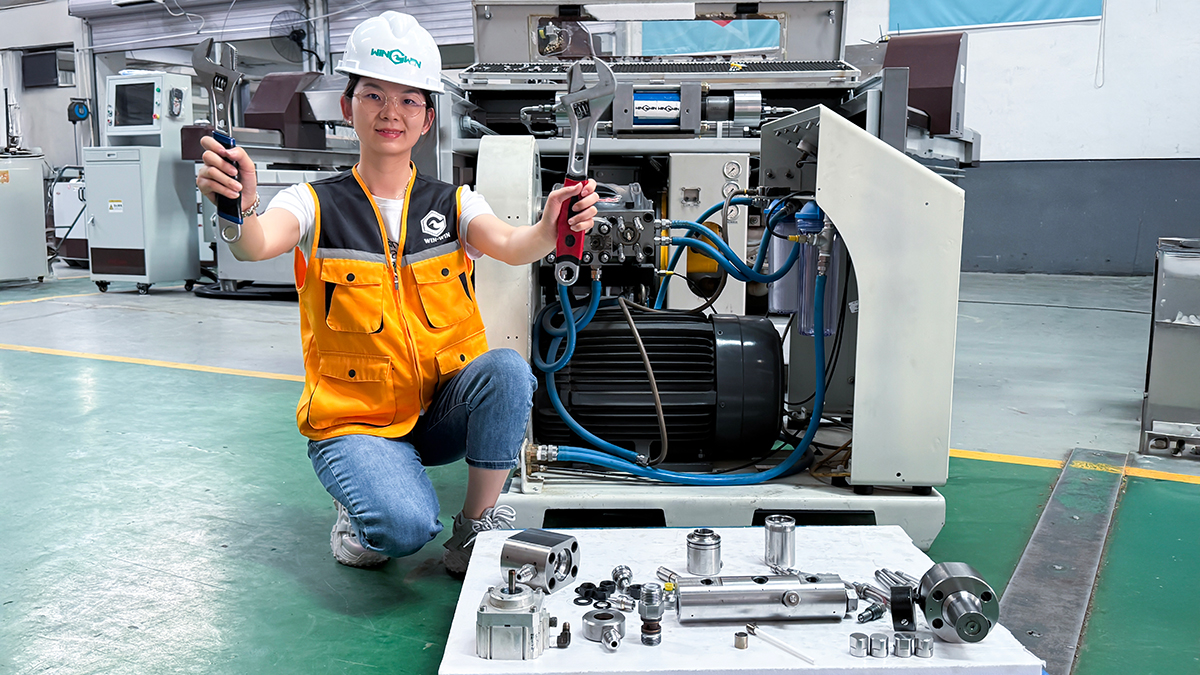
Direct-Drive vs. Intensifier Pumps for Waterjet Cutting: Key Differences
Waterjet cutting systems rely on two main pump technologies: direct-drive (also called crankshaft) pumps and intensifier pumps. Each offers distinct advantages depending on application needs.Read more
