
News
-
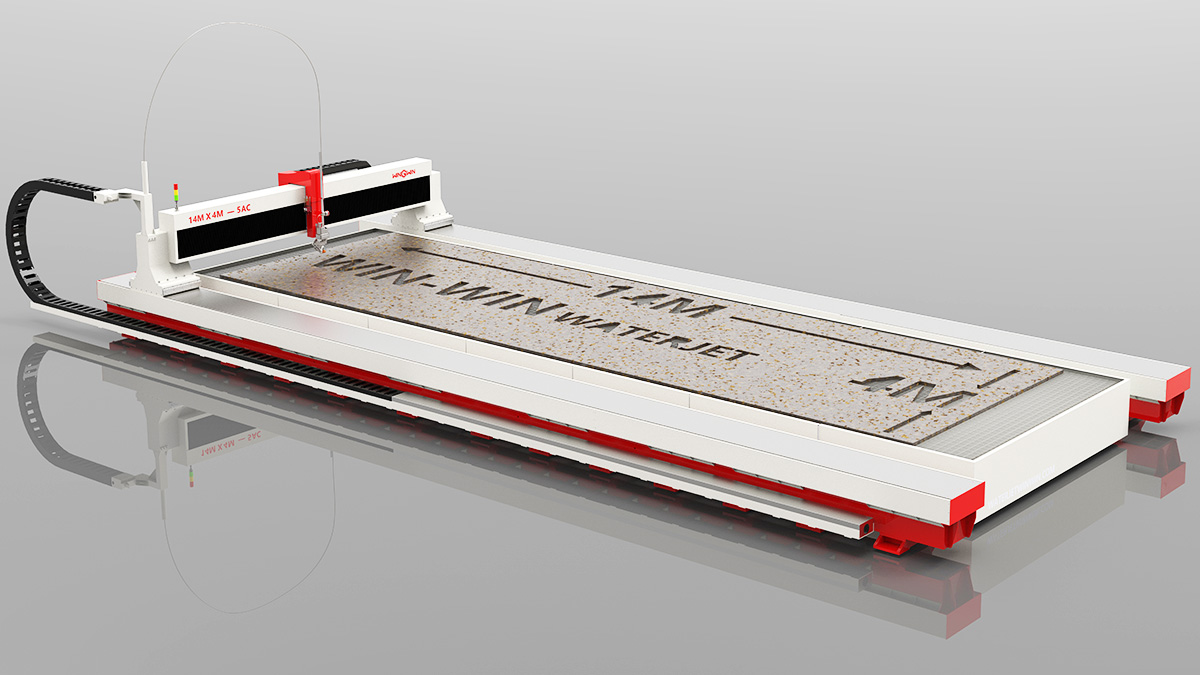
Your Global Partner for Complete Waterjet Cutting Systems & Custom Solutions
Win Win is dedicated to serving waterjet cutting customers around the world, providing complete cutting systems and genuine replacement parts under one roof. Whether a shop needs a brand new ultra-high pressure machine or a single mixing tube, Win Win delivers with reliability and technical precision.Read more -
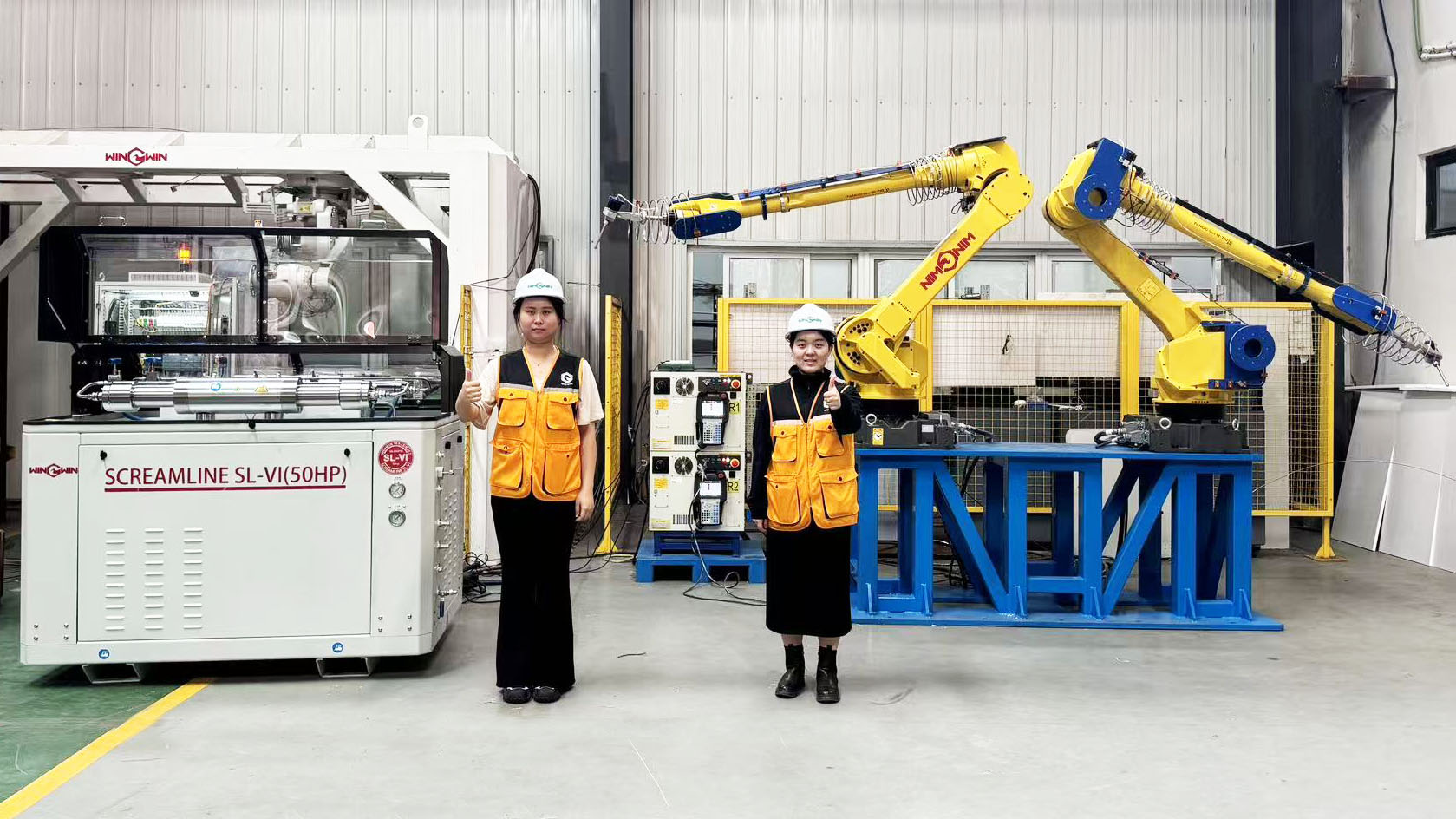
Robotic Waterjet Cutting Systems for Automotive Interiors – 25 Years of Global Solutions with ABB,
25 year veteran in waterjet cutting technology, now offers fully integrated robotic waterjet cutting systems specifically engineered for automotive interior trimming. Serving multiple global automobile manufacturers, Win Win provides turnkey solutions combining leading robot arms from ABB, Fanuc, and KUKA with ultra high pressure waterjet cutting heads – backed by lifetime maintenance support worlRead more -
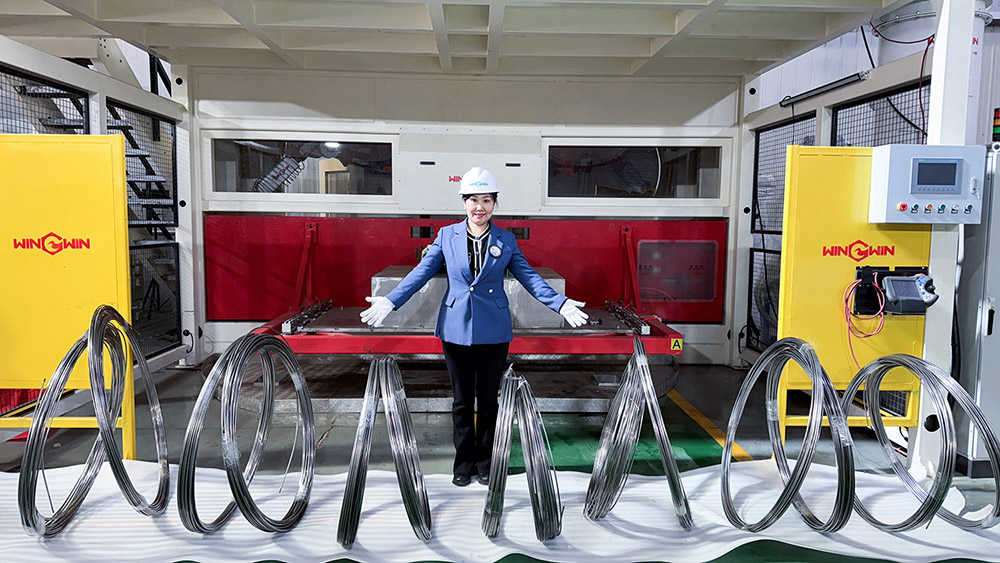
Long-Life High-Pressure Tubing for Waterjet Cutting – 25 Years Experience, Custom Sizes, Factory-Dir
A specialized manufacturer with 25 years of experience in waterjet cutting technology, now supplies high-pressure tubing designed for extreme durability and custom configurations. Engineered for both standard waterjet cutting systems and robotic waterjet cutting cells, Win Win's high-pressure hoses and rigid tubing deliver reliable performance at pressures up to 100,000 PSI.Read more -
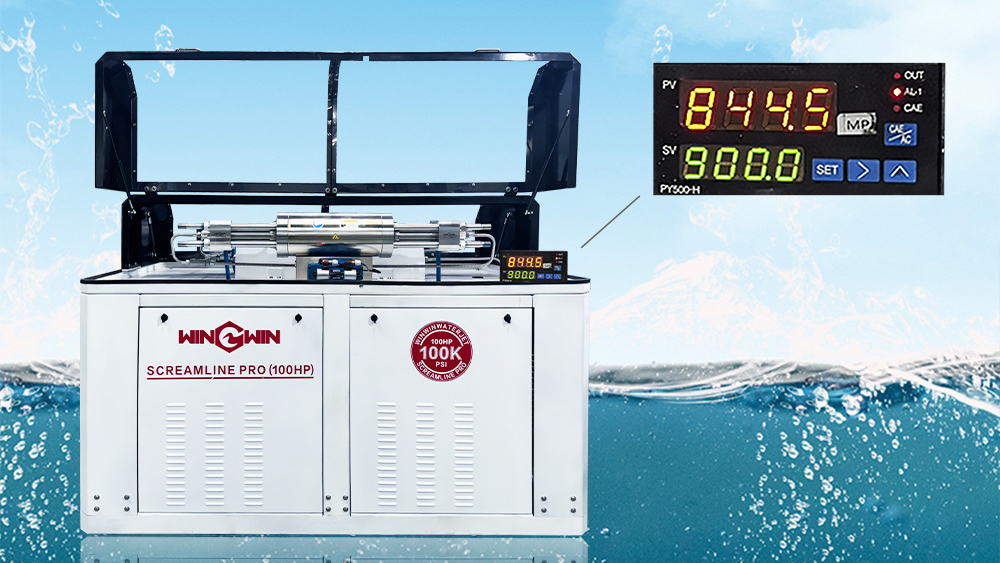
Delivers High-Pressure Intensifier Pumps for Waterjet Cutting & Hydro-Cleaning – 50HP to 125HP, Up t
Win Win, a specialized manufacturer with 25 years of industry experience, has expanded its line of high-pressure intensifier pumps for both ultra-high pressure waterjet cutting and industrial hydro-cleaning applications. With power ratings ranging from 50HP to 125HP and maximum pressure reaching 100,000 PSI, Win Win pumps are positioned as the go-to solution for cutting ultra-thick metals and tackRead more -
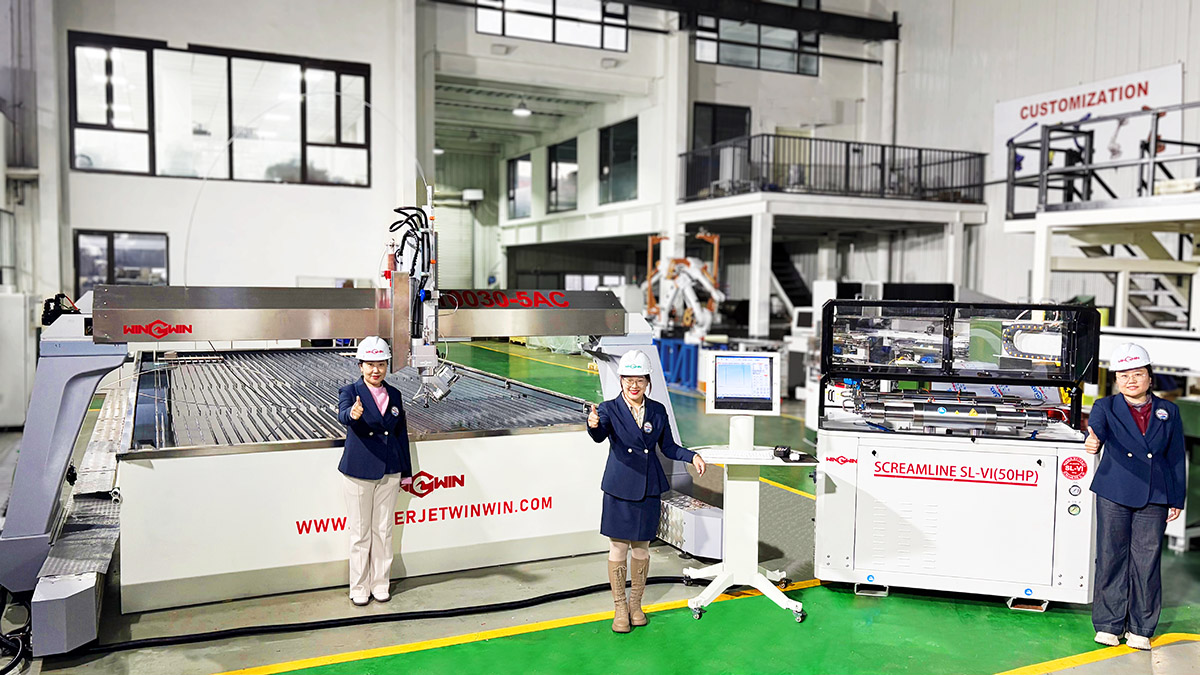
Unveils 100,000 PSI Ultra-High Pressure Waterjet Systems – Dual Heads, 5-Axis Cutting
Win Win, a specialized manufacturer of waterjet cutting equipment, has raised the bar for ultra-high pressure machining with its new generation of systems featuring booster pumps capable of delivering up to 100,000 PSI. Designed for shops cutting exotic alloys, thick armored plates, and advanced composites, these machines combine extreme pressure with flexible customization – including dual cuttinRead more -
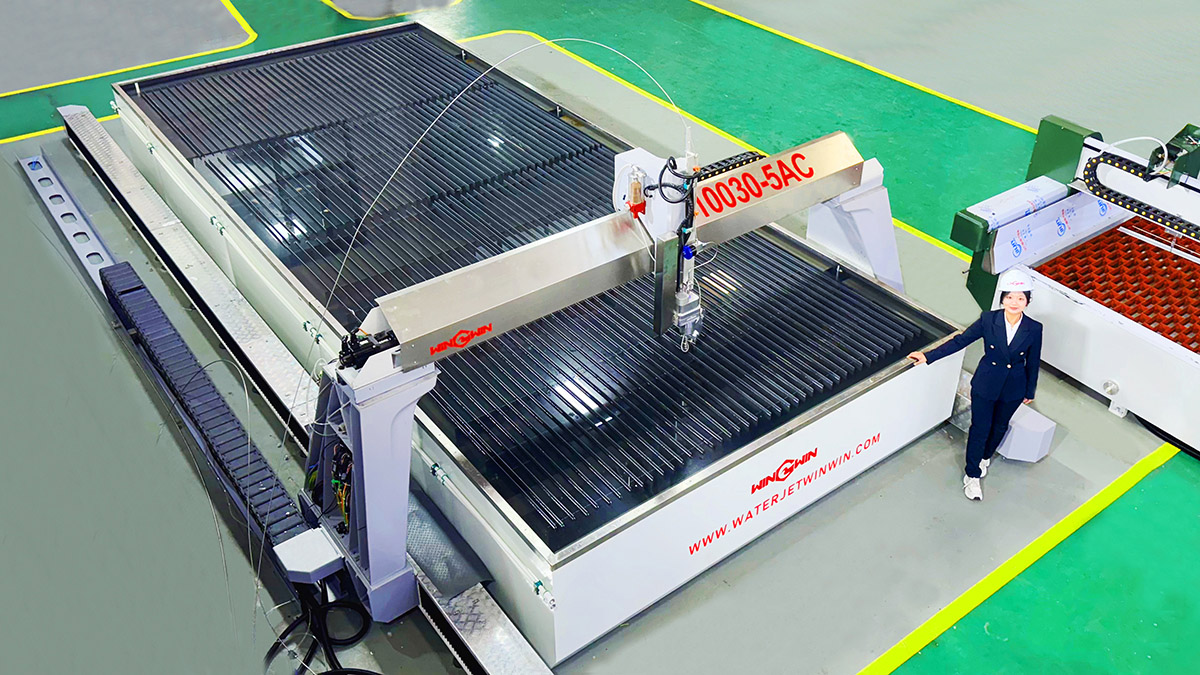
Win Win Launches Ultra-High Pressure Waterjet Cutters – 60,000 to 90,000 psi, Custom Sizes Up to 30×
For heavy fabrication shops, aerospace part suppliers, and stone processing plants that demand both power and precision, Win Win has introduced a new line of ultra-high pressure waterjet cutting systems. Ranging from 60,000 psi to 90,000 psi, these machines deliver faster cutting speeds, cleaner edges, and the ability to slice through the hardest materials – including armored steel, Inconel, ceramRead more
